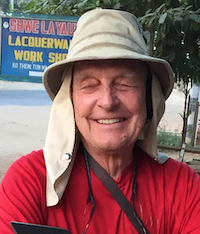
The ‘Poor’ Millionaire FIT Traveler
"Travel, poor … even when ... you don’t have to."
INTRO:
I traveled poor, simple & pragmatic, Yet I lived in a $1 million+ Jackson Hole, Wyoming mountain-view, log home near the ski area on the Snake River, owned rental apartments & vacant lots in several states. My net worth eventually grew to eight figures easily justifying travel like a ‘millionaire.”
But for 20 years I traveled the world ‘poor.’ I flew Basic Airline Economy’s crummiest seats — last to board & last to get off. I dragged my well beat up rolling luggage, and wore my well-worn day pack. I slept in a hostel’s dorm bunk, cooked in hostel kitchen or ate steaming street food on the go. I washed my travel clothes in a machine, but if none, a bath sink, and I dried them on drying racks or my bed’s headboard.
I solo walked & hiked almost everywhere; poking down narrow Oriental residential alleys in large cities, all around small Argentine villages, majestic ruin’s nooks & crannies (Angkor Wat) looking for the novel and, of course, the mountains & countryside (Swiss). If too far, I rented a bike or scooter, or, if even greater distance demanded, a tuk-tuk or I jumped on the back of a motorcycle taxi.
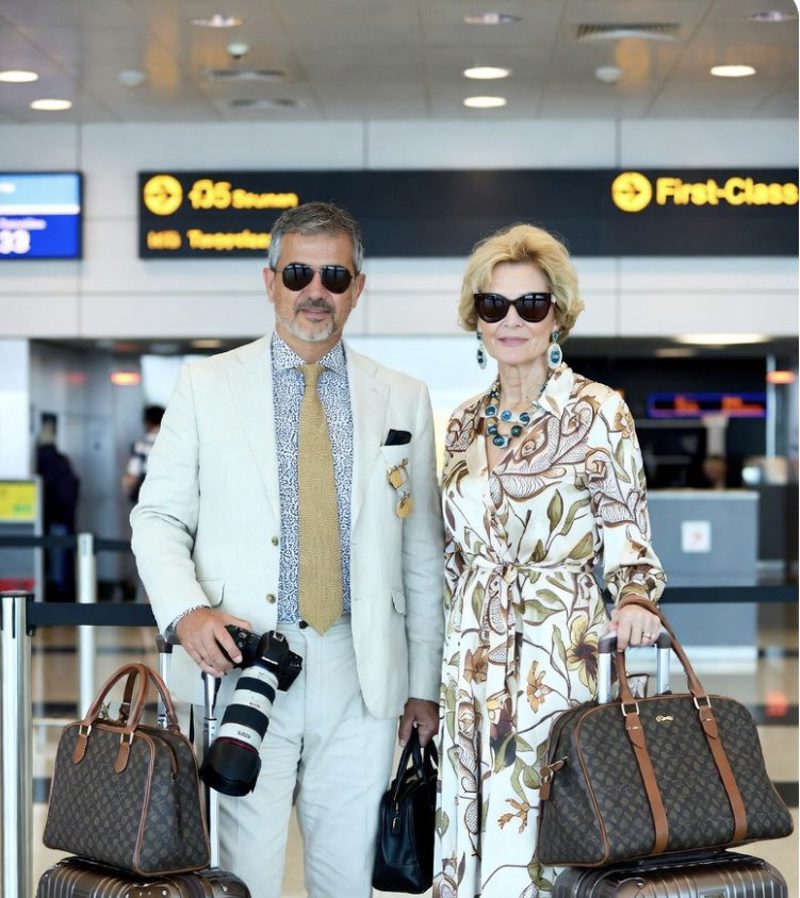
No 1st Class airline seat’s wine & fancy meal, no flashy hi-tech matching suitcases, no upscale taxis or airport limos when cheaper tuk-tuk & motorcycle taxis available, no upscale tourist hotel’s private room & laundry services, no expensive faux tourist-authentic restaurants. No personal site-guides or expensive private tailored guided tours. No cruises* or Large Bus Tours. Only a few multi-day small van tours around huge Australia and day tours to difficult to reach sites.* OK I lied.
1) Antarctica small ship cruise (best way) &
2) Baltic Cruise with friends to prove to them that I didn’t like cruises. Proof: Scandinavia cruise.
A Millionaire Next Door is a euphemism for a neighbor whose appearances (house, car clothing) suggest someone of moderate means only, certainly not wealthy, yet they are a millionaire. Why & How is this possible?
n. A poor person can appear to be wealthy. Impressive big houses, expensive cars & classy clothes can all be bought on credit hiding the insecurity beneath. A wealthy person may present as poor because every dollar invested buys true financial security now, for their future retirement, and in their weakened old age. Invested true wealth secures freedom to pursue life goals that inspire & fulfill including foreign travel.
I. Why a millionaire travels poor?
A. The “Millionaire Next Door”:
In the 1996 book, “Millionaire Next Door”, the book’s essence authors’s prime lesson was that most American millionaires are an unassuming, unnoticed "millionaire next door”. IOW, you wouldn’t know they were a millionaire if they lived next door to you.
NOTE: Grok & Goodreads say: Millionaire Next Door” has 4.05/5 rating from ~ 5,462+ reviews, 11,000” peeps currently reading it, & 167,000+ want to read it.
These millionaires are NOT flashy high-spenders trying to impress by living extravagant lifestyles, rather, they are modest, hardworking, frugal, & constantly investing … unnoticed in their modest home, with an unkempt yard and ordinary car. No conspicuous consumption.
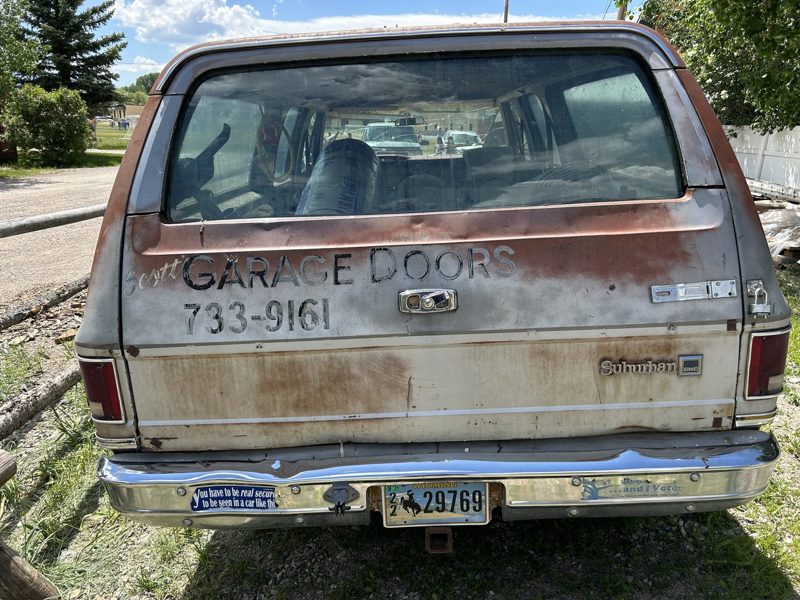
Anecdote: In my mid 40’s I had a garage door repair business, was building my log house & maintained a couple of rental properties. I worked constantly wearing my paint splattered sweat pants, T-shirt and a sweat shirt hoody. My only car was my rusted out suburban that carried all my tools & supplies.(see below)
My girl friend then was once asked , “If she was going with the guy who wore grubby sweats all the time. My vehicle’s bumper sticker (lower left) read ”You have to be real secure to be seen in a car like this.” I meant it as a joke. →. Another time someone I knew asked me, incredulously, “If I was a lawyer?” I simply nodded.
The Millionaire Next Door’s modest appearance is a direct result of consciously investing any excess money into his investments: stocks, real estate, antiques, etc. The Millionaire Next Door’s GOAL is to steadily amass sufficient wealth to ‘feel’ increasingly financially secure now, and in the future, to pursue his interests, and his retirement until his final abyss.
Illusory ‘ForShow” appearance:
Anecdote: Tenant’s 80+K Corvette; I once had a young Latino male tenant who was a dishwasher at a local tourist restaurant who bought a flashy colored Corvette for $80+k that he parked on the street. In his Latino culture transplanted to the US where he could not qualify for a home loan in this super expensive tourist town, a flashy car or new truck was his status statement. An illusion of success.
As the investor who owned the building, I only saw the illusion & delusion of success that inherently presaged my tenant’s ultimate economic failure as laborer endlessly washing dishes to sustain his social fraud.
I see the flamboyant flashy tourist as the same, by analogy. Pretending in their host’s country to be something they probably were not in their own country. A fraud. An ego delusion.
In contrast, I know a 30 yr old Latino woman, with 3 children, one in college, drives same old Tahoe, … who learned to manage several apartment units freeing the owner to travel the world worry free. Her quiet, plodding, economical prudent, stock investing, family dedication will ultimately give her … her own home —I have guaranteed it.
BUT, CAUTION, the wealth the Millionaire Next Door seeks is not their goal. Rather it’s the mental security and freedom that comes from having wealth that fuels their courage to pursue their dreams and safeguard their retirement to the abyss, including foreign travel, if they wish.
Anecdote: Sailboat, then ratty RV van: In my late 40’s I bought an $80k 38’ sailboat primarily as a winter retreat from Jackson Hole’s incessant bitter cold. I also fantasized I might sail the world as a Jackson Hole couple I knew did. While a wonderful lifestyle, I felt trapped in or near the Redondo Beach Marina.
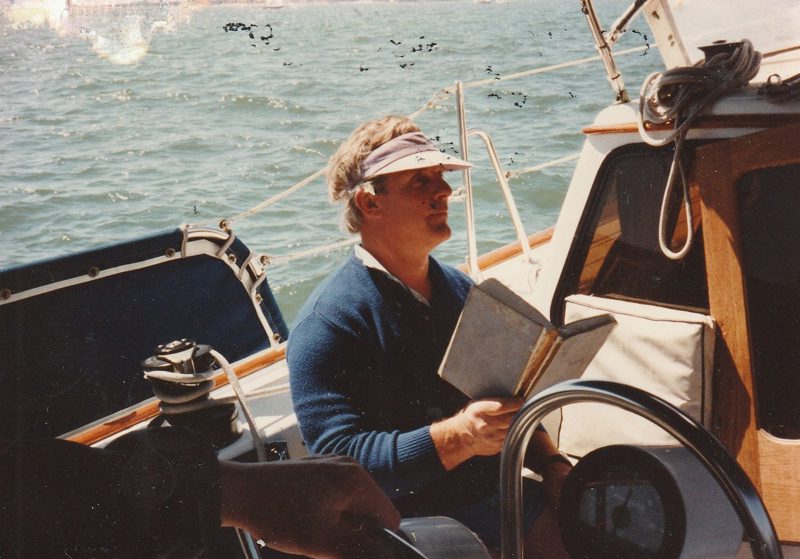
So I bought a ratty old Ford converted RV van from a sailor friend shortly before a huge Pacific storm ripped off 30’ of the marina’s 3 story hotel, destroyed or damaged several boats & closed the marina’s access until the gouged out road could be replaced in 4 weeks.
As an escape for a month, I drove to Florida to ‘intimately discover’ the US Southern coastal border following any road close to the coast. I had seen the movies & read novels set in Texas’ and the steamy states east of the Mississippi. So I would go see for myself.
The epitome of my Millionaire Next Door’s diverse mindset was that I was able to buy a $80,000 sailboat to live on, followed by purchase of a $1500, 20 year old ratty RV van and have the freedom (time) to make a 1 month road trip. I could afford to follow my sailboat dream (sold a couple years later at substantial loss. What’s new), yet still ‘feel’ financially secure, emotionally comfortable, and with the ‘time-free’ to make a 1 month road trip in ratty van.
Anecdote: Wheel bearing replacement: This van was so ratty that frequently the rear right wheel bearing would burn out. I would pull up alongside the curb in front of the auto parts store in Hermosa Beach, jack up the right rear wheel, remove it, put on a new wheel bearing, and replace it curbside and drive off. Note: I don’t know much about car repair.
B. What’s the Millionaire Next Door’s connection to a Poor Millionaire FIT Traveler.
What does the Millionaire Next Door philosophy have to do with the Poor Millionaire FIT Traveler?
The poor Millionaire Next Door’s modest image is the unintentional disguise that directly results from investing every spare dollar build wealth tax that will secure her ideal future lifestyle & retirement until her abyss. If a new car requires a cash down payment, she invests that down payment instead and keeps on driving her old car. Her unwavering goal is the financial security & confident freedom to pursue what ever interests she will have in her life, including foreign travel, if she wishes.
The Poor Millionaire FIT Traveler’s modest appearance & behavioral image is also a disguise. An intentionally constructed disguise, not to deceive, but rather to ensure that no display of her wealth, education & experience will undermine her goal to maximize the humble, respectful, unnoticed immersive travel through her foreign host country’s culture.
Anecdote: Nick Nolte, actor, spent five weeks living on the streets of Los Angeles as a bum to immerse himself in his homeless man’s character in the movie Down and Out in Beverly Hills.
While the modest & humble Millionaire Next Door’s behavior & appearance belies the wealth that protects his future, the Poor Millionaire FIT Traveler’s disguise seeks instead, the FIT traveler’s humble, unnoticed immersive travel through his foreign host country’s culture. The reinforcement of that FIT character inside you
Even if wealthy, traveling poor as though you had less money than you actually do, keeps you immersed in the host’s culture and it reinforces that FIT character inside you.
You hear, touch smell & “taste” the host culture as you roam the back streets, bump along a rock dirt road in a tuk tuk, or slurp your typical worker’s soup on a tiny plastic chair midst the locals staring at you, laughing when you laugh at yourself for spilling a bit.
That authentic immersive FIT travel moment reinforces why you travel as a FIT traveler.
The actually poor traveler?
You may think that because you are not wealthy that this Poor Millionaire FIT Traveler discussion doesn’t apply to you. But remember that in many parts of the world the fact the you are American, that you could buy a $1000+ round-trip airfare ticket AND not work for weeks or months makes you wealthy in their eyes. It might take them several years to save that much money & still NOT be able to vacation. If American, you are wealthy by definition
C. The “Poor’ Millionaire FIT traveler:
My modest Millionaire Next Door’s investing MINDSET had bought me the financial security, emotional freedom, but more importantly, the time to pursue my “Poor’ Millionaire FIT traveler’s lifestyle domestically as well in foreign countries.
Anecdote: 1 month Mexican roadtrip become 3: 1997, I had the 2nd semester off, so I left safe USA for a 1 month Roadtrek RV van roadtrip thru Mexico. In San Francisco (Pancho’s) I met Matt Lane who challenged me to keep driving tomorrow south along the Mexican coast thru Guatemala & Belize and north from the Yucatan to Texas, US.
Early the next morning I stopped at the intersection that could take me east to Mexico City or south for 2 ½ months. I paused, looked east toward Mexico City, looked south again and punched the gas pedal driving south toward another 2 ½ months along Mexico’s west coast, thru Guatemala, & Belize. Mexico-Guatamala-Belize
The following year’s 2nd semester, I traveled truly international for 3 months in New Zealand living in an old van modified for my sleep, cooking & travel. my old ratty New Zealand van
Always searching for sites I hadn’t seen or something I hadn’t known: another beautiful sunrise or sunset, a new hiking trail, a beach or glacier; any opportunity to learn something I didn’t know — anything I hadn’t seen before. My Renaissance Man’s passion to see & experience was my driving force. My life’s forward propulsion.
1. Goal of “poor’ Millionaire FIT traveler’s”
The ultimate goal of My “poor’ Millionaire FIT traveler’s” disguise was to pass respectfully, humbly & almost unnoticed thru a foreign culture because I knew that my wealth & American standard of living, if even mildly flaunted would stifle & minimize, if not totally block, my authentic travel experience. I tried hard NOT to project wealth, entitlement. or arrogance.
In a foreign country it is my simple humility & visibly intense curiosity as I negotiate their culture that is my passport to the genuine cultural immersion which I seek. I relish an immersive flow without showy flourish, … engulfed within the cacophonous noise, haunting smells, strange language, religious structures, great & small fortresses, different foods and subtle social customs of my host country.
Anecdote: Mandalay’s old man’s pedal rickshaw: In Mandalay, Myanmar I got a pedal rickshaw from my day’s city & river walkabout back to my hostel, but shortly after the ‘old’ man started pumping hard up a gradual street incline, my conscience’s ethics & compassion kicked in, as I realized what a cruel life it was that forced a poor old man whose life had probably been a constant drudge, to haul this well-to do American around. I acted, .. concealing my embarrassment & guilt. Mandalay tuk tuk ride
Anecdote: Teotihuachan, Mexico’s Gatekeepers:
I had purposely overnighted in the small town of San Juan Teotihuacan, a few miles from Mexico's massive pre-Aztec ruins, so I could arrive, as I usually do, perhaps 1 hour before the entry gates open and well before most tour buses.
I chatted with the gatekeepers in my broken butchered Spanish. We talked for a while, and then, suddenly, they asked if I wanted to enter early. I suspect my shorts, T-shirt & old guy hat with curious cape and my genuine attempts to chat in broken Spanish with the entry folks prompted their offer of my early entry.
I was all smiles. Overjoyed, shaking hands all around, I thanked them and walked into one of the largest archaeological sites in the Western Hemisphere with no tourists. Not "fewer tourists." None.
I roamed Teotihuachan alone. I climbed the Temple of the Moon as high as allowed, sat down, and pulled out a book to read. Not because my book thrilled me, but rather because I was thrilled that I was the only tourist, with the luxury to indulge my reading amid that colossal historical site of generations of human life. One of my most rare and memorable travel moments. And it happened because I got there early. Temple of the Moon
Anecdote: China: walking in my usual haze between 3 villages on a dusty country road a local man graciously stopped on his own to offer ‘my humble looking tourist’ a motorcycle ride to next village, accepting no tip. I was surprised, and so thankful for the human interaction he initiated. Human kindness: China motorcyclist
Anecdote: Lijiashan village:
Ride offer: Well-off-the-beaten track after 2 buses rides from Xi’an I got off, walked across a bridge, and began my 1 mile walk to the steep mountain road climb I must climb, but before I had gone very far a car load of young men stopped and excitedly offered me a ride. Normally I would be afraid of such a spontaneous offer, but I felt no qualms.
I jumped in with a couple rounds of hearty Nǐ hǎos (‘hello’ pronounced ‘nee how’). I suspect my casual shorts, backpack & weird caped hat made me interestingly ‘approachable.” We chatted briefly until we soon reached my steep hill road & I parted after several profuse Xièxie(s)
(‘Thank you’s (shyeh-shyeh) and reciprocal Zàijiàn (‘good bye’ (pronounced: ‘dzai-jyen’)
Elderly Lady: After hiking quite a distance up the steep hill an elderly lady was walking down hill on the opposite side of the road ignoring me probably assuming I was ignoring her UNTIL as she came a breast of me I looked over and said cheerily Nǐ hǎo (‘hello’ (pronounced ‘nee how’) and she exploded with several enthusiastic Nǐ hǎo(s) (nee how) which I happily returned again.
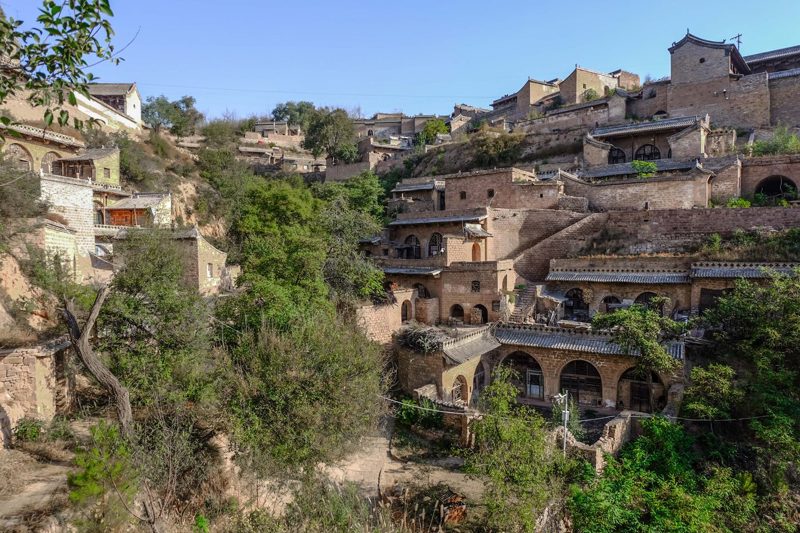
Lijiashan’s traditional yaodong cave house with courtyards: (commonly called nóngjiā yuàn (农家院)); I finally reached my small Lijiashan village & hunted down my lodgings by showing folks its picture. The lady of the home welcomed me graciously and showed me to my room carved directly into the mountain’s stone indicating the large stone ‘kang’ (historically traditional bed form).
Here, each day & evening I poked around this unique village with its beautifully wood-carved fronts to their stone cave homes.
Lijiashan stone carved village
For a few days, I ate her modest meals, cooked over her wood-burning stove, sipped tea with her, and slept on my Kang on a couple of heavy wool blankets. Not a comfortable mattress, but exactly the authentic immersion I seek on my travels.
Anecdote: closed caravanserai: I had finally found an ancient camel caravan’s caravanserai, but alas, not a tourist site & closed. Standing there frustrated, an elderly man approached and asked if would like to go inside. I was thrilled & did.
Anecdote: Italian restaurateur: Alone in a authentic local basement restaurant, I chatted on & off with the owner as he brought each dish. At the end when I had paid my bill he appeared with a small apéritif as a gesture of our comfortable interaction. While I don’t drink, BUT I drank it out of respect & thanks for the experience.
Anecdote: Family in S Mexico on coast: I parked at the beach in S western Mexico near the Guatemalan border. After settling-in, a man approached and suggested that my location was dangerous and offered to have me park next door in front of his house. I immediately did, he invited me to dinner with his family.
When I settled into my van for the night he tied his 2 dogs to the van to insure my safety. I spent 4-5 days with his family.
The father showed me the nearby lighthouse that he was caretaker of, they killed a goose for dinner in my honor (sorry goose) and I videoed the family & the son’s band rehearsal Gracious Mexican family:
2. Already short of funds?
The irony is that even without wealth, any traveler with less fear & more courage than I had AND with ONLY roundtrip air fare and a some traveling money can travel all over the world. Most of this article describes very specific ways to save money while traveling. Read on !!!!!!
a. Work Exchange & Volunteer Platforms (Free Room + Board)
Workaway.info: Largest(50,000+ opportunities in 170+ countries); farms, hostels, families, NGOs. Excellent for safety reviews.
Worldpackers.com: Strong in Latin America, Europe, Asia. 140+ countries, f meaningful experiences.
WWOOF (World Wide Opportunities on Organic Farms): Great for learning skills and rural immersion.
HelpStay.com: 2,500+ stays in 100+ countries. Simpler, skill-swapping focus
HelpX.net — Similar to Workaway; good budget travel and longer stays.
Tip: Start with Workaway or Worldpackers profiles emphasizing skills like cooking, gardening, or teaching English.
2. House & Pet Sitting (Free Stays, Often Luxurious)
TrustedHousesitters.com: Largest globally, 100,000s+, pets/homes, trusted.
HouseCarers.com or MindMyHouse.com :Strong for longer or remote sits.
3. Sailing/Yacht Crewing (Free Ocean Crossings):volunteer crew, cook, etc.):
FindACrew.net: World’s largest boat/crew network. Verified members; app available.
CrewBay.com: Popular, simpler interface; many free features.
CrewSeekers.net, OceanCrewLink.com, or SailOPO:Good alternatives.
Facebook: "Sailboat Hitchhikers & Crew Connection" for direct opportunities.
Pro Tip: Build sailing experience (even basic courses) and a strong profile. Popular routes: Atlantic crossings, Caribbean, Pacific.
The real irony is that during my 20s I was too paranoid of being poor. Then and for next 3 decades foreign travel was never an interest or passion, even though at 28, I won a FREE trip to Lake Como, Italy on the dating game television show AND, here's the great irony, I traveled solo for two weeks around Europe afterward, just as I did later in my 60s & 70s. A contradictory oxymoron!!!
So, what was missing? The FIT traveler’s passion. So, if you have the desire, research, buy air fare and go………………..
In spite of those two weeks solo European travel at 28, during my 30s and 40s Foreign travel never occurred to me. Perhaps, I was too preoccupied with real estate investments, my log home construction, small garage door business, YET I still had enough free time and enough cash to make frequent multi-week road trips & adventure trips throughout western United States & Canada.
Not until my late 50s did I finally overcome my acquired fear of traveling into Mexico which I had done briefly several times in my 20s.
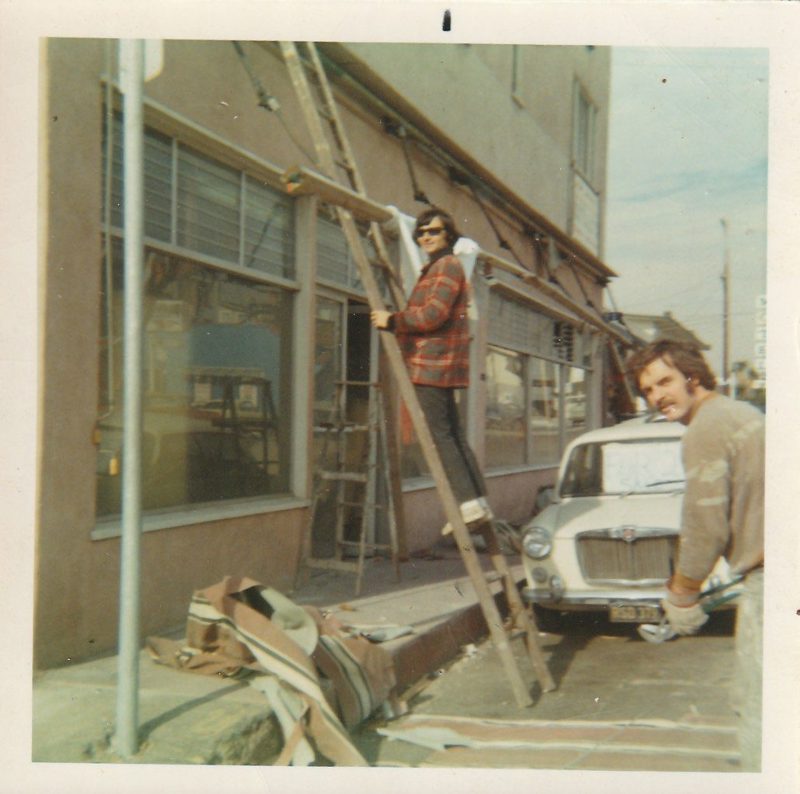
Anecdote: US juke boxes in Mexico: In my late 20s I was buying antique oak furniture along the New York - Pennsylvania border, driving them back to California, refinishing them in my garage, then selling them in my Manhattan Beach laundromat, ‘The Wash Tub”
The laundromat also included an enclosed secure dry cleaning drop-off counter/service that had large windows that looked out on the main El Porto road into Manhattan Beach from Los Angeles Century City’s modern business complex. Superb windows for displaying large antique furniture to a young and well paid clientele that drove past twice a day.
Anyway, a Mexican friend of mine dealt in antique American Wurlitzer juke boxes that he scoured from cantinas in small interior Mexican towns and he warehoused them in Tijuana, Mexico for later entry into US. However, he did it so often he was afraid US customs would notice and declare him an importing business with large import fees that would destroy his profit margins. So my friend paid me to pick them up for him in Mexico. I eventually had a small collection of the best models including the “Happy Days’ TV show’s iconic 1946–48 "Bubbler" 1015 model
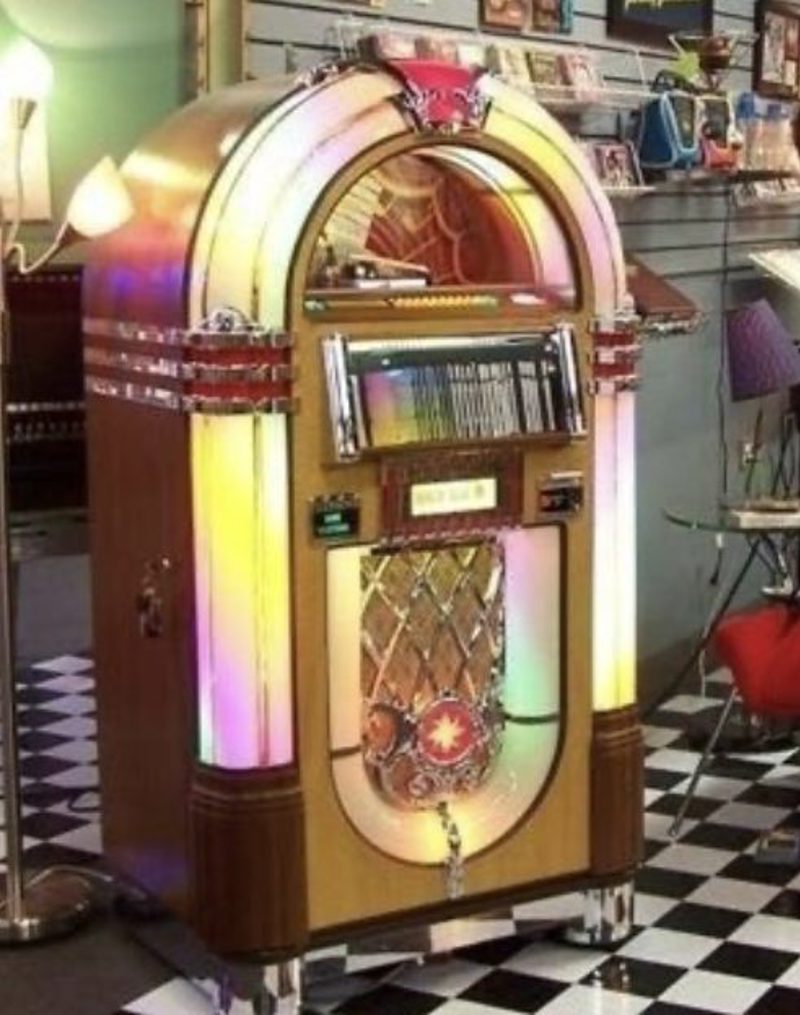
Side note: My friend bought them in Mexico because when classic old juke box models updated for 45 rpm records were exchanged by the Wurlitzer jukebox company they LITERALLY destroyed the old ones so they could not compete with the new. Fortunately, many were spirited into Mexico where they were still prized — to later await my Mexican friend’s purchase.
Fear’s danger: A Lesson To Be Learned:
If you allow yourself to perceive something mildly uncomfortable as a barrier, you are ‘stopped’, you lose the opportunity for a ‘different, perhaps novel’ experience. Besides, it is, IMO, mildly cowardly. . OTOH, if you accept & adapt, it is just a different challenge among the many you will face in your life.
Anecdote: As a US Air Force Academy Plebe (freshman) we were ‘forced’ to memorize many writings & recite them on demand. Including all 4 stanzas of the National Anthem. (I didn’t know either.)
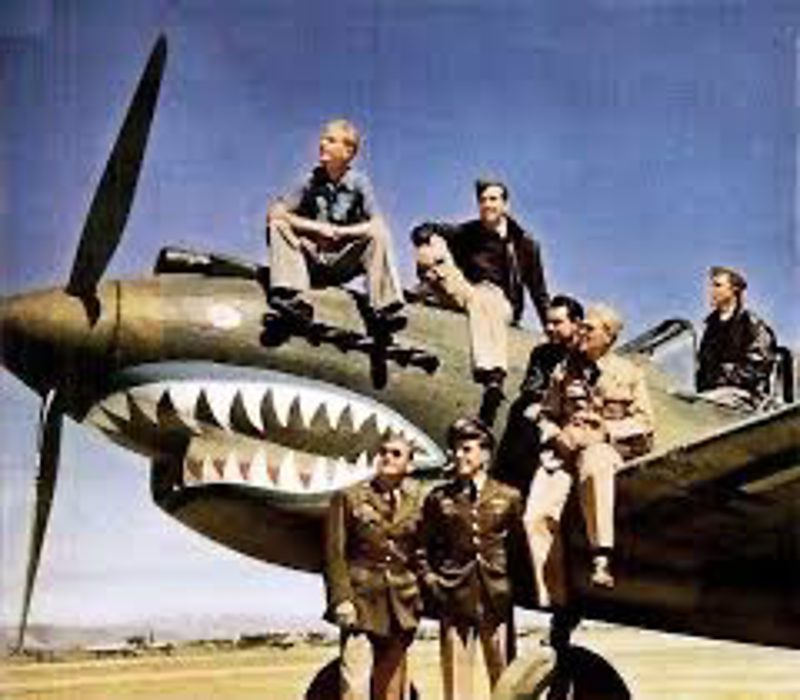
One was a quote from General Chennault, of US WWII’s Flying Tigers in Burma who, comparing his air force to all others, said, “We were a different breed of cat. They walked on the ground. We flew through the air.” Such quotes reflect ‘going beyond the normal.’ inspiring ‘something more.”
Anecdote: Italy’s rainy month: Years ago I spent a month in Italy with 75% rain. I was PREPARED. I put on my rain pants stored in my rain jacket with hood and my Tilley hat worn UNDER my hood. Yes I had to work harder to protect my camera’s lens , etc etc etc., but I also stood ALONE in the Forum’s drizzle over Caesar’s Cremation site: no tourists around me, few in the surrounding Roman Forum. Maximum Charisma of Place.
Charisma of Place: is a term I've come to cherish from my years of wandering the globe—it's an old geography concept I first encountered with National Geographic, describing that profound, almost magnetic pull of emotional admiration tied to a specific spot, person, or thing.
It's that spine-tingling awe you feel when you're standing somewhere steeped in history or culture, like the ruins of ancient Rome or the rugged cliffs at Normandy's Pointe du Hoc, where the weight of the past just hits you square in the chest. It's not just about seeing a site; it's about feeling its essence, that deeper connection that makes your visit memorable and transformative.
Mexico-Guatemala-Belize Roadtrip: At 58, after a 2 week Christmas break road trip into Mexico, the following year I did a 3 months road trip through Mexico Guatemala Belize. Then, in 3rd year I did a 3 month roadtrip & trekking throughout New Zealand’s 2 islands and then yearly foreign travel for next 20 years.
Curiously, I lacked both the courage and vision even in my 30s and 40s when I knew that I was acquiring substantial net worth and had the time to extensively road trip and adventure travel in the United States & Canada ,I lacked any vision or incentive to Foreign travel even if I could have overcome my fear to do so.
Only now in my 80s as I write this do I realize that I, like so many others in their late teens 20s 30s 40s, I could have started Foreign travel in my 20s.
The irony of the typical tourist’s experience that I described above is that too much wealth reflected in clothing luggage & mode of travel -cruising & large bus touring - insulates you from a truly immersive travel experience.
II. How I travel ‘poor’:
A. My Pre-trip Mindset:
I’ll sleep the night before my flight on a simple cot with a blanket in a friend’s home so she can drive me early to the airport. I’ll use her fragrant bath soap, foamy shampoo and fluffy towel so I don’t disturb my carefully packed luggage before going to the airport.
When I leave home for my ‘cheap’ travel flight anywhere, I have already begun ‘conditioning’ for my PMFT ‘character’ different way of life immersed in the different host culture I am traveling to. No more predictable luxuries and amenities.
I have abandoned my newly remodeled million & a half dollar log condo with the antique oak furniture & modest art I bought decades ago. I purposely abandoned the view from my deck across a protected tranquil wetland’s pond to the distant Grand Teton Mountains of Teton National Park; views matched only by the view from my leather recliner thru my large dining room window that I cut out with a chain saw decades ago so I could see the mountain’s reflection of the sunset in the pond beneath the window over the southern range of the Teton Mountain range. My used, but luxury packed Suburban SUV (bought used from an expensive attorney) is parked quietly in my garage.
My ‘in character’ goal is to erase for the next 2-3 months the presumptions of my pampered, comfy lifestyle even before I even fly … to condition myself to much less of what I am used to. So that I will not expect more than my host culture offers its average citizens.
I am conditioning myself to cope with & accept whatever I encounter, to adapt to the unpredictable I know I’ll encounter, like it or not. The exact opposite of my entitled Jackson, Wyoming lifestyle.
The humility & respect of a FIT traveler’s
appearance & behavior
Both humility & respect for your foreign host country are essential and must begin before you depart USA. Humility & respect work hand-in-hand.
Humility is your inner mindset of a guest seeking to learn, not judge. Respect is your outward actions toward people, their customs and surroundings.
I. Why Humility & Respect Matter:
A. Humility springs from your inner mindset; a mindset that you actually recognize & consciously cultivate in yourself. An honest belief that your life will be enhanced by your exposure to a foreign culture and its peoples; that you will become a wiser, more knowledgable, and better person. That such foreign travel will deepen your own character traits of compassion, openness, appreciation as well as your self-worth & self esteem.
Your humility will dilute the ego & arrogance, if any, that your USA culture may grant you insuring it does not slip thru to spoil your foreign travel experience. You will relish your gracious duty to be an American ambassador exemplifying the best of American virtues and respect for others.
Humility means accepting that your American (or European) way of doing things isn't automatically “better”, being willing to observe and adapt, and handling mistakes gracefully (everyone slips up culturally at some point). Without humility, "respect" may appear phony or patronizing.
B. Respect is the visible outer reflection of your inner humility …. openly demonstrating the high value you place on the local people & their culture without trying to alter it.. Not some phony act, but a truly authentic expression of your enthusiasm for & legitimate appreciation of the privilege granted you to visit a foreign culture.
Anecdote: Myanmar: On my 1st visit, unlike all other countries I traveled, Myanmar’s military dictatorship was closed to all foreigners except for Tachileik, Myanmar’s border town limits, across from Thailand’s border town Mae Sai. I spent a day attempting to absorb what little I could of Myanmar’s culture. Not much absorbed - just a wandering walk thru.
A few years later, most of Myanmar opened again. I did my research which dramatically ratcheted it up my desire to see this rich culture that riddles Asian history.
It was a spectacular month roaming Yangon’s Shwedagon Pagoda (aka the Great Dragon Pagoda) back streets & temples, electric scootering dirt country paths to walk barefoot thru the pigeon excrement covered floors of Bagan’s 2,229 temples & shrines, roaming Mandalay’s back streets, palace & temples and, finally, exploring unique Inle Lake’s floating villages.
Respect for a foreign culture avoids bizarre appearance & rowdy, culturally disrespectful behavior. Locals will not insult you as you may have done them, they will simply ignore you unless their work forces them to serve you.
B. Appearance:
As a child, our mom teaches us what to wear before we can leave the house because our appearance defines not only ourselves, but our family.
As we grow older we learn what is an appropriate appearance for various contexts: hanging out friends, social events, work, or even visiting grandma. We relish the ‘slob’ freedom of our bedroom, but prepare ourselves for being amongst Instagram/Tik Tok, classmates & friends like a movie star going to a photo opt; dressed to ‘kill’, to impress


Anecdote: One nearby family’s senior high school daughter coifs her hair, applies thick looking, heavy make-up & flashes a sexy wardrobe daily for high school. Even other family woman my reflect this over the top dramatic imagery at family gatherings.
My 80+ mind recoils at her appearance not only because it assaults my sense of propriety, but because it seems to foretell a torturous future … learning that employers & customers may be put off, and that the worst of men may pose a danger.
We create OUR appearance to convince others what we want others to believe about us —- that we are successful, macho, or ‘cool’, or anything else. My FIT travel appearance seeks to do the opposite. I don’t want my American financial means, education, experience, & overall cultural image to stand out. I want the opposite image. Most of our tourist appearance and behavior can be understood and prepared for before you leave your home airport.
En route to Airport:
When I leave for the airport I have systematically & literally set aside each quality amenity of my ‘real’ life when I approach the ticket counter & pass through security in my socks. I ‘must be ‘ in character” for my 3 months of deep dive immersion into the foreign culture I will travel.
Extra money is already hidden in several places on my person where it will remain for weeks or longer for travel use or an emergency, if any. My cargo trousers (& cargo shorts) have a hidden pocket sewn INSIDE the crotch safely hiding my IPhone from pickpocket’s view or access. I will only pull it out in-country for Google Maps emergency use when I may have lost my itinerary’s paper version, or, for evening’s relaxing entertainment or next day’s itinerary & sites review.
I seldom use credit/debit cards at home and when traveling because they are a "Swipe now, cry later.” debt trap and have often NOT worked when I needed them most.
Anecdote: Mexico Customs entry: I carefully confirmed with my bank that my credit card was up to date for my pending 1 month (expanded later to 3 months) roadtrip thru Mexico, but at Mexico Customs I tried to use it and it didn’t work.
Thereafter, on all subsequent foreign travel I carried 2 credit cards & 2 debit cards, but “ only used when a hostel required or to buy cash eating expensive Arline tickets in-country. I mainly relied on substantial US $100 bills converted in to local cash which I used for everything just like my local citizens do.
Side Point: While apparently poor, in fact, I carry considerable US $100s ($10,000+) carefully hidden in my rolling luggage, day pack and on my person as insurance against travel complications, but which was mostly untouched because I traveled so frugally.
At the airport I’m dressed in my casual travel cargo khakis, t-shirt, & light jacket that I will use over the next 3 months. Even my dirty, recently broken-in, hiking shoes emphasize my “down in-the-dirt” appearance and travel mindset.
How we are perceived by our host culture will often dictate how we will be treated. If we appear safe & respectful of their culture, we will probably be treated kindly. But, if are perceived as disrespectful, immoral or too strange, we may be treated with reserve & suspicion, AND be obvious targets for foreign pickpockets & other petty criminals.
1. Wardrobe: Please SEE 14. FIT Wardrobe
~~ My guidelines:
1. Dress modestly & simply
2. Subdued colors - unless want to be seen (hiker’s rescue, meeting someone)
3. No political/social/advertising messages: ‘witty’ or ‘cool’???, or illegal, foolish?
"You Travel To Learn About A Culture,
Not Infect It." (Me)
25 years ago guidebooks warned against my cargo shorts, but after several foreign trips, I realized that nobody cared, if they ever did, perhaps because:
a) I was an old man with some kind of Immunity from norms,
b) Tourism was so commonplace that locals just accepted tourists,
c) my simple quirky simple dress & persona was so disarming, I was merely a curiosity —- (think “pink unicorn" walking thru your living groom”),
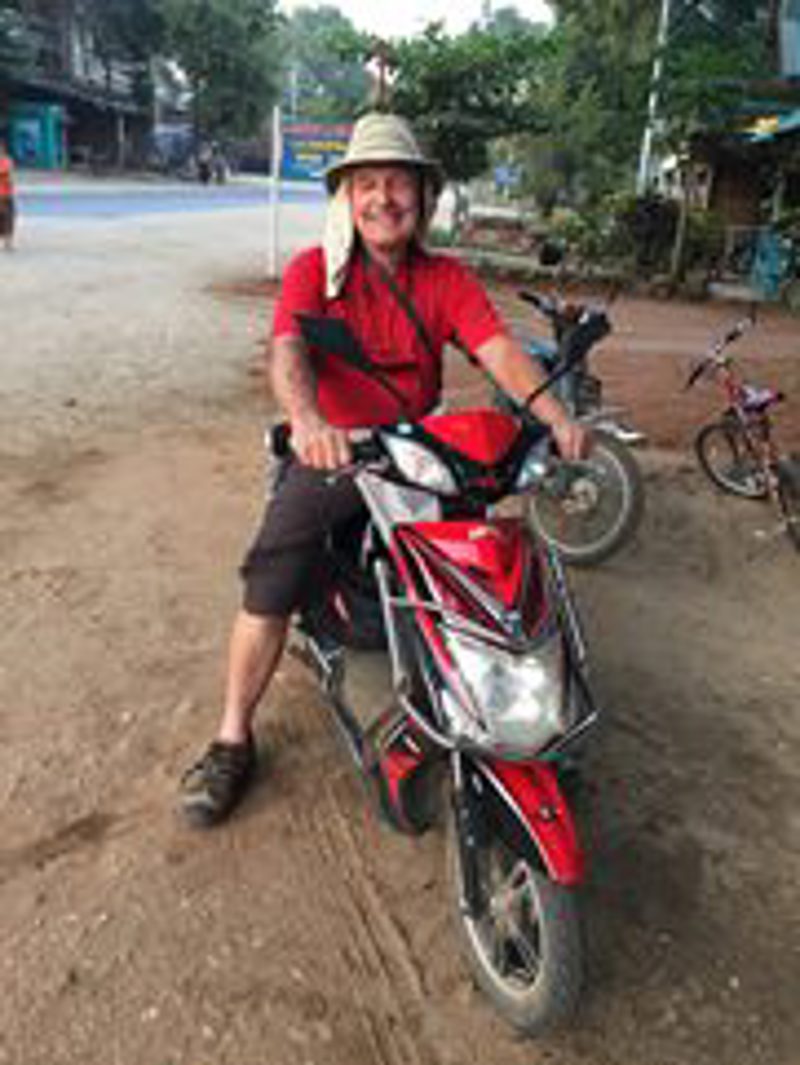
d) I 'think' my posture suggested I was street savvy & physically capable. (OK, self- delusion, but my deception seems to work)
Over the years throughout Europe, South America and Asia, I evolved a very simple ‘Scott look’, not consciously, but in my attempt to balance local decorum with my comfort whether sitting in a long distance bus across Romania, riding a motorcycle in Laos or walking the sloppy soaked, slippery, root-infested trails of Stewart Island, NZ.
ANECDOTE: Visoki Dečani monastery, NW of Prizren, Kosovo: Walking along a dirt road to the monastery, I suddenly realized I had forgotten my Velcro leggings that I could quickly slap onto my cargo shorts so I could comply with the monastery’s probable rule against men’s bare legs. Roadside plastic bag
Soon, I found a discarded empty large plastic garbage bag lying on roadside. I picked it up figuring I could cut a hole in it & wear it around my waist to cover my legs if I had to. Didn't come to that.
In spite of my best efforts & fantasies, I am positive I was always recognized as a foreigner, when, for example, I am the only Caucasian walking thru a remote Chinese village, …. obviously, inescapably, irrefutably, decisively, undeniably, & ultimately —- a caucasian foreign traveler. I CANNOT avoid that.
4. Luggage: simple, well worn is best image:
Anecdote: My rolling luggage was so ratty-looking after a few travel years that TSA regularly ‘randomly’ (LOL) pulled it out for a post-check-in inspection. Yet, ironically, its tattered look belied its valuable contents. Rolling Luggage'
2. Hairstyles & beards:
Your hair is often an integral part of your travel identity unless, like me, you wear a hat all the time.

Hairstyles, or lack of, can be symbols of social class, age, marital status, racial identification, political beliefs, and gender identity. Hair textures, color, style & shape may serve as definitive social markers, determining among other things one's race/ethnicity, charm, beauty, religion, age, and so on.
IMO, highjacked styles may offend or attract harsh crime & soft crime hustlers who may incorporate your ‘cultural theft’ into their scam.
..... But perhaps that’s the price you wish to pay for your individuality.
3. Face:
Wealthy men & women used facial makeup, Tattoos & beards, dates, before 6,000 BCE (before current era) as an appeal to the gods. Currently, facial makeup & tattoos seem widespread in some cultures.
I’ll dive deeper into ‘face’ when we discuss “Tourist Behaviors.” below, but, beware of attempting to high jack another culture’s attribute
C. Behavior
At all stages of our lives we develop, practice and refine our social behaviors for various private & public venues. At home - alone - we dance & sing with wild abandon, but are modest & calm with Grandma, then, at school or in-public, we may conform to our peer group’s behavioral norms. As Americans we can exhibit a range of strange behavior that, while curious, may well be ignored or at least tolerated.
In contrast, other more cohesive, conservative cultures (Japan, S America & Asia) may resent strange behaviors which seem to smack of disrespect for their culture with a coolness, unfriendliness, avoidance & disdain.
Please SEE "four-selfs": Safe 2: Appearance
1. Respect resonate with the host cultures behaviors & demeanors.
The Thai people the greet everyone with ‘wai’ — a slight bow, palms pressed together in prayer-like fashion. The higher the hands relative to your face & the lower your bow, the more respect or reverence you display.
Anecdote: What classroom discipline?: when I was a teacher in my 50s, classroom discipline was the “Great Monster” that plagued teachers in their classrooms. It was the main issue our high school administration focused on during our late summer’s pre-semester Teacher’s Meeting.
Once I quit being a ‘teacher’ and became a ‘facilitator of learning’, on my 1st classroom day of each new class’s 1st semester, I pointed to a framed word on my classroom’s wall: "Respect".
In ‘our’ classroom we respect each other. If you are answering my question, neither I, nor another student will interrupt you, nor do you interrupt me. That is minimal respect. Nor do we laugh at other people's answers or mistakes. That is respect. I seldom, if ever, had what teachers called classroom discipline issues.
Anecdote, Thailand’s ‘wai’ prayer bow: I entered the Mai Mai mini-mart, greeting the clerk with a slight bow with prayer-like hands held below my face to the young clerk. BUT, .. moments later before helping an elderly lady get milk off a high shelf, I give her a ‘wai’ greeting with my hands held high to my face while bowing deeply in respect for her age … she was most pleased. I enjoyed the simple way of showing her the respect she was due.

Anecdote: Classroom respect: My classes did solo & group Projects in class & therefore were always expectedly in conversation. If I wanted to interrupt the class to say something, I simply stood quietly in front of my class with a pleasant smile and waited …. until a student noticed and signaled the class for quiet, “Mr Eaton wants to say something.”
The class quieted, I thanked them and spoke, and thanked them again as they went back to their projects. I seldom had a classroom discipline issue. I often had tears in my eyes it was so humbling.
Public displays of affection (PDA: kissing, scanty clothing) make Asians feel culturally, historically, and religiously uncomfortable & disrespected especially in traditional or rural areas. Loud talking in restaurants etc annoys Europeans.
Anecdote: In Bayeux, Normandy, France: a small family invited me to join their table for dinner. Chatting for some reason about tourists, Frank, husband, commented how Americans are known to talk ‘loudly.’ referring me to 2 American women across the restaurant whose every word was heard by all. They were not rude; just insensitive; very much like today’s cell phone users.
2. The American Ambassador
Anecdote: returning from my 3 months road trip through Mexico Guatemala & Belize, I was buying gas in Laredo, Texas when I suddenly realized that something in the store (Can't remember what) was irritating to me and I realized that that irritation was the rebirth of my American arrogance. An arrogance that this American citizen believes he's entitled to because he's in America. Not a good character trait.
Later I realized that when I land in a foreign country, I am the most humble tourist because I realize that I am in their culture, not mine. I am instantly aware that I have no right to judge how they do things.
Instead, I have a duty to respect, understand their culture & when respectful, accept those cultural differences. I am a respectful, empathetic American Ambassador reflecting the best of American values as I demonstrate respect for my host countries cultural values which I am there to immerse myself in.
Thailand’s ‘wai’ is its traditional "prayer bow”, the iconic everyday greeting, but it carries a deeper meaning of respect, humility, reverence, gratitude, and sometimes apology.
At 1st I thought it would be phony & disrespectful for me, a foreigner, to mimic this gesture. But soon I realized it was similar to my learning how to say, ‘Hello’, ‘Thanks’’ and ‘goodbye’; pragmatically useful, respectful, and welcomed by my hosts. It quickly became automatic & natural. I just did it. It simply locked in with my authentic persona.
Anecdote: Basic courtesy: Waiting for my Thai train, I had crossed the street from one 7/11 to another *, and was about to go in when an an elderly woman approaching the entry door. I quickly reached out pulled it open for her & with a modest flourish & a smile, I waved her in. She gave me the tradition ‘wai’ prayer nod.
Moments later a man who had apparently been closely watching yelled from across the street something at me and began clapping. I gave him a very respectful ‘wai’. Those natural human moments are quite fulfilling.
Note: Thailand has more 7/11s per capita than the entire USA.
Anecdote: China bus station: An old man stepped off the sidewalk between my bus & another, almost immediately tripping on a cement curb stop and falling to the pavement. Without hesitation I jumped out of my seat to the ground to help the old man up & safely into the bus.
Three Chinese ladies sitting on a bench facing me & the door later glanced at me nodding their heads with slight smiles.
In similar situations, it appeared that the Chinese normally don’t spontaneously react to such plights. Perhaps there are too many of them at 1.3 billion.
Anecdote: Lady in wheelchair: Having lunch at a street side table at a Liulichang cultural & market intersection, an older woman was struggling to navigate her wheel chair across a bumpy intersection until I finally put down my lunch and jumped out & helped her. It was spontaneous.
D. Money consciousness: — The ‘cheapskate’ millionaire & the budget-conscious FIT traveler.
The GREAT irony is that the ‘poor millionaire FIT Traveler AND the budget conscious FIT traveler are both experts in conserving their monies when traveling abroad. The ‘cheapskate millionaire FIT Traveler does it out of habit, while the budget conscious FIT Traveler does it to maximize their travel time & options.
The poor millionaire acts like a cheapskate because it keeps her grounded in her culturally immersive ‘poor’ traveler disguise, and the budget conscious FIT traveler because he MUST make his money last as long as possible to extend his travel time. Besides, FIT travelers are probably inherently to prudent to squander funds.
Let’s look at the many ways to minimize expenses.
1. Air Travel: Why Poor Millionaire FIT Traveler’s travelers fly basic economy & all FIT travelers should?
~~~ Airport Arrival: Like an actress exiting her trailer for her next scene, when I arrive at the airport I am already morphing into my poor FIT traveler character; my baggy cargo pants, fast drying synthetic T-shirt, a light jacket, & pulling my well worn shabby rolling luggage, day pack on my back. My passport and large money bills hidden securely in my money pouch around my waist invisible UNDER my pants.
~~~ Airport Security: Once I pass thru airport security, I am already in ‘character.” I am in the chute.
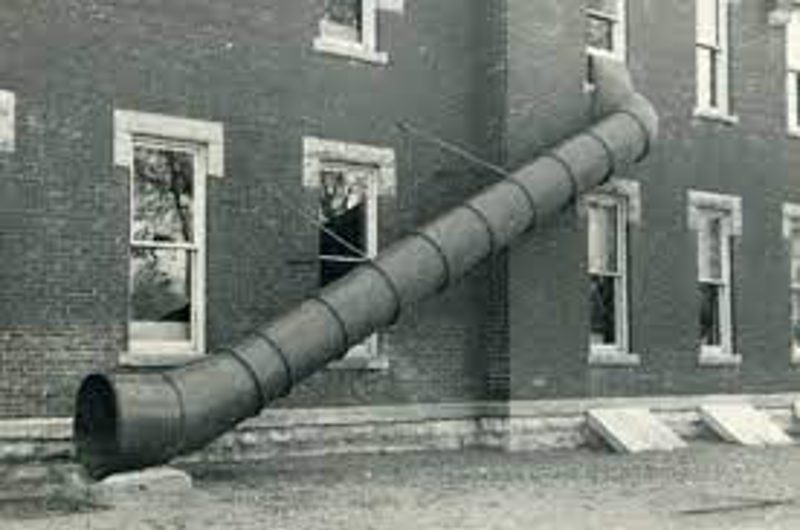
Anecdote: My Nazareth Catholic Boy’s School’s fire escape was called “the chute”. I learned that “Once in the chute, … no turning back.” In my mind “Ready or not, its a done deal.”
When I pass thru airport security for my ‘cheap’ travel flight, I am ‘deep’ into my poor traveler’ character — ready or not; no turning back.
~~~ My Economy Seat: When I 1st traveled 27 years ago, all economy seats were on a 1st come basis & there were plenty. Then airlines began charging for everything, every seat. I fly long duration trans-Atlantic & trans-Pacific airlines’s cheapest economy in their worst seat … in the middle of a plane’s back row which often doesn’t even recline.
However, when the boarding line was called, I stayed relaxed in my chair because my low end peasant’s seat would be boarding last. Humbling to all but we cheapskates, …. besides, I was getting good exercise walking to the very back of the plane.
I do so because I am already in my “poor’ Millionaire FIT traveler’s character role, ….BUT I have My strategy ——
Anecdote: Flight’s sleeping pill: I ease into my “in-character’s” cramped cheap rear center seat. Shortly after the plane’s 1st big meal I take a doctor prescribed ½ sleeping pill, sleep for 4 + hours, & awaken refreshed for my next meal, and a few hours later we land. Easy, peasy.
A couple of actual benefits: 1) close to toilets (Nice in your 70s), 2) close to roomy rear exit for in-flight stretching, & 3) I casually talk to stewards & occasionally get extra deserts etc.
TIP: If you allow yourself to perceive something mildly uncomfortable as a barrier, you are ‘stopped’, you lose the opportunity for a ‘different, perhaps more interesting’ experience. Besides, it is, IMO, mildly cowardly. . OTOH, if you accept & adapt, it is just a different challenge among the many you will face in your life.
a. Why not fly 1st class & then do the poor travel thingy?
I certainly could have!!! Could also have stayed in fancy tourist hotels, eaten in Western style tourist restaurants & hired a local guide everyday. All quite feasible.
Once past airport security and in my trip’s chute, I was already ‘traveling’ my ‘poor’ researched, planned & long anticipated trip. Why muddy it up with the intellectually dishonest hypocrisy of popping in and out of my character’s role. Would Johnny Depp do that? Once wardrobe & make-up create Captain Jack Sparrow, he is Captain Jack Sparrow until he is done. (OK, I realize this analogy is a stretch, but …hey?)
Seriously tho, FIT travel is not acting. It is the REAL thing from start to finish …. until I land in USA 2-3 months later.
Anecdote: airline’s 1st Class upgrade - yippee!: En route to Yangon, Myanmar via SLC-LAX & SFO I was surprised at the LAX ticket counter when I was upgraded to 1st Class to San Francisco. Like a pig offered a tuxedo, I graciously said, “Thank You” and took my 1st Class seat trying to pretend it was my norm. I was prepared to be bedazzled with the high-quality-of-life experience my 1st class friends not so subtly bragged about. Unfortunately, it was only a 1½ hr flight landing after midnight.
All I can remember is that my seat & seating area was much roomier than my usual cattle car’s tightly packed seating, the snacks & soft drinks were a little fancier than I usually get and attendants were maybe more attentive.
…. and then, back to my crummy, cramped, sleeping pill-induced 20 hr travel slog arriving, late at night in Yangon, Myanmar, bedraggled into its soggy SE Asian humidity’s yellow hazed street lights driving into town and my bed I soon hoped to drop into.
I didn’t dwell much on my 1st class upgrade except to ‘see it’ as an unnecessary self-indulgence contrasting with the down-in-the-dirt travel I actually relished. I suspect my wealthy friends have convinced themselves that economy would just be intolerably uncomfortable thereby necessitating an upgrade. Self-sustaining mind set!!! To be blunt, I get a certain Spartan stoic’s satisfaction from my willingness to travel poor!
During the next 3 months I expected — looked forward to — travel amongst the masses of my host country; eating their street food, riding their tuk-tuks and roaming their large city’s & tiny authentic ancient little town’s hidden neighborhoods.
I never flew 1st class again.
b. Luggage:Rolling bag & Daypack:Why not flashy costly luggage & carry-on?
In my 40s & 50’s I had solo backpacked the Chilkoot Trail from Alaska into Canada’s NW Territories, then, solo kayaked 600 miles down Yukon River to Dawson Creek’s 1896 gold rush fields. Later I solo kayaked Minnesota’s BWCA for a couple of weeks. Also innumerable daypack day hikes in Jackson Hole area and the US West generally.
My back-pack served my overnight camping trips and my day pack served my day trips. My van carried everything & anything easily including my kayak on top & my mt. bike dangling off the back. I always knew my backpack was overloaded, but, hey, I was younger, stronger, even if, …. not wiser.
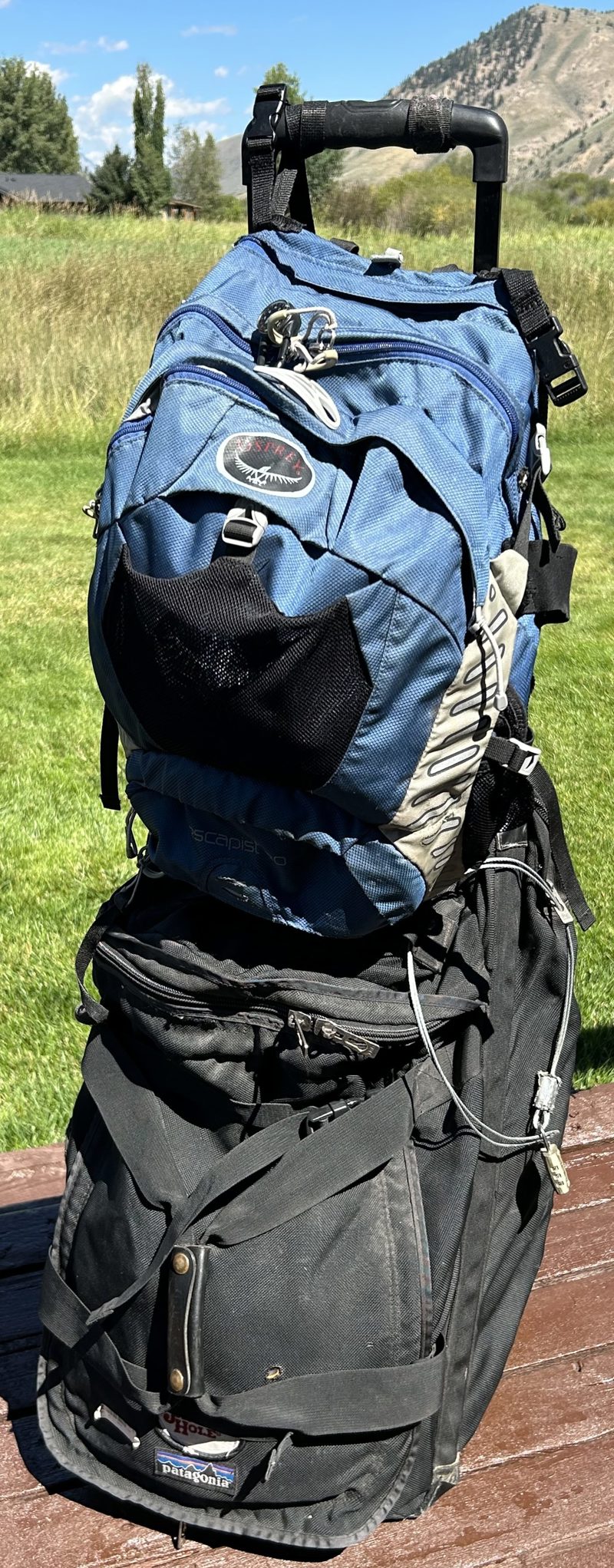
My 1st major trip off continent was to New Zealand. I lugged my backpack, a large heavy duffel bag filled with camping gear & my day pack. I carried foolishly far too much stuff.
After New Zealand I bought Patagonia’s quality, medium to large sized, soft rolling luggage with several compartments for easy organization. The rolling bag with extendable handle & wheels made it easy to drag (NOT carry) thru airports.
A fancy, NON-rolling bag would have to be literally carried, and would have prevented my intentional neighborhood immersive long walks easily dragging my rolling luggage from a bus or train station to my hostel down congested city streets & small town’s rough dirt roads.
Its soft fabric construction could easily be compressed with attached straps for variable trip lengths or weather. (Think Thailand vs Antarctica). If bag was compressed at start of trip, at the end there was room for the few small, but personally memorable souvenirs I was taking back for my condo’s Wall of Souvenirs.
Economy TIPs: No costly extra airline luggage or shipping costs just for souvenirs
I quickly developed very specific Trip Inventory & Overnight trip inventory lists easily edited for each new trip’s needs (Australia vs Slovakia). My OVN (overnight) Inventory included DAY PACK contents for 2-5 day side trips (Romania’s Bucharest 4-5 day loop) when I used just my daypack.
Economy TIPs: A precise inventory of exactly & ONLY what I needed reduced cost of supposedly required travel extra stuff & resolved little issues I had discovered.
EXAMPLE: Plug “foreign travel accessories’ into Google for sites that sell those ABSOLUTELY ESSENTIAL (Not!!) foreign travel items like: compression bags, shoe bags, hanging toiletry bags, fancy cosmetics or toiletries cases.
Example’s solution:
Anecdote: Shoes: 1 pair of hiking shoes worn daily for 3 months plus a light weight pair of shower sandals in a plastic grocery store organic veggie bag (take several bags; always a use),
TIP: If shoes got wet & did not dry overnight, put on fresh socks, put veggy plastic bags over each foot, and slide into your wet shoes. Cut off excess plastic bag. Feet stay dry, heat from feet dries shoes from inside out. Kinda works. I have done it for years, particularly on 35 Day Camino de Santiago trek across Northern Spain.
Anecdote: Compression bags:Early in travels I used compression bags that oft times didn’t work. Solution: I tightly rolled my extra T-shirts, shorts, pants, etc with rubber bands and they cushioned everything else.
Creases? I don’t care. I am a FIT traveler, not a fashion model.(Understatement
LUGGAGE ANECDOTES: Often too much stuff, too many pieces or large pieces limit your transport options and your flexibility.
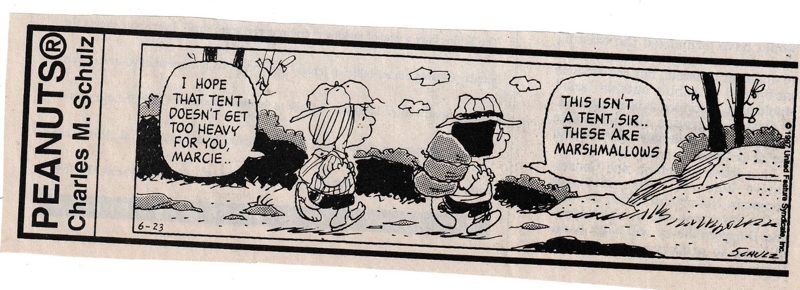
1) Luggage Mobility: FIT Traveler’s want max luggage mobility so they can move quickly & nimbly thru a busy airport, bus station or congested street crowd.
Anecdote: Confusing info or directions: (Eastern Europe somewhere) Train station clerk gave me wrong info. I had to jump off train with luggage, run back into station to clarify info, then race back & jump on correct train at last minute, ….or be forced got take a much later train.
Anecdote: Multiple train platforms & poor signage: One Polish train station had confusing platform signs and less than 2 minutes to switch between trains required fast, agile transfer. My day pack on my back and my rolling luggage moved as fast as I could except on stairs. If multiple suitcases, I would have missed connecting train.
2) Travel Mode: Some travel modes have inherent luggage limits: airlines, big buses vs small vans, shared tuk tuks & taxis, and motorcycle taxis.
Anecdote: Mode of Travel:
Fatehpur, India: an early morning Fatehpur motorcycle taxi: … ride with my backpack on my back and my rolling luggage secured between my driver’s arms, we raced thru the eerily yellow lit town’s empty streets far out to a totally dark countryside unlit empty bus stop to wait for the near empty early long distance bus to my Bikaner hostel’s so I could quickly check-in & grab a tuk tuk for 19 miles to nearby Deshnok town’s Karni Mata Temple’s (Rat Temple) with hundreds of rats running loose. .. and revered.
(Note: I could not imagine doing most of this in my REAL US life, but when traveling ‘poor’ it seemed natural. Just what I did.)
Anecdote: Danang, Vietnam: motorcycle taxi: After a jangling, rocking homemade sleeper bus overnight ride from Paksong, Laos over the mountains to busy downtown Danang, Vietnam, I was summarily dropped off at a brilliantly lit & cacophonous downtown Danang intersection. No bus station, tuk tuk or taxis. Just a bunch of motorcycle taxi drivers boisterously clamoring for my business.
If I had 1 or more suitcases (traditional luggage), I would be stymied. I would need a bus, tuk tuk or taxis of which none were in sight and I had no idea how to find them on my 1st arrival in N Vietnam.
So, again, with day pack tightly strapped on my back & secured with a strap across my chest AND my rolling luggage stashed in front of the driver we quickly roared away thru Danang’s dense traffic with me constantly pressing my feet & my knees against the motorcycle to avoid the vehicles we passed so closely.
Economy TIPs: If traditional suitcase or multiple pieces, I would have had to find (?) & hire a more expensive Uber or taxi and would be prey to busy Danang’s “snatch & grab” thieves.
3) Access: access to hostels, cramped trains & buses may be challenging with too many or too large suitcases.
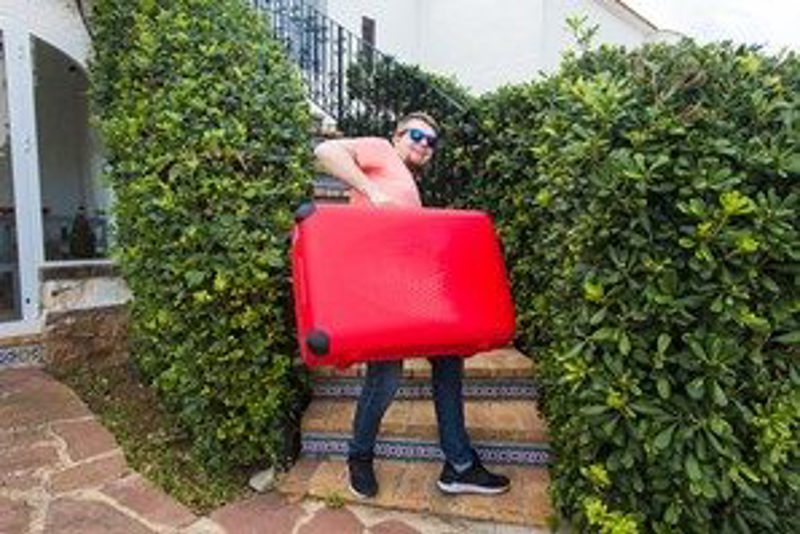
Anecdote: London, UK’s steep stairs: Jim & Mary’s cruise luggage: On my one & only big cruise ship experience with friends (to prove to them that I did not like cruises), one couple brought 3 giant jam-packed suitcases that Jim could barely lift. Once at our pre-cruise B&B Jim had to haul each bag up up 2 flights of very narrow stairs — 3 times.
I vividly recall his overweight face, bulging red with exertion as he pushed, shoved, & dragged each one separately. (Note: if they had planned to have just 1 suitcase upstairs, the other 2 could have been left downstairs. Relatively speaking, I easily bounced my rolling luggage up to the 3rd floor.
Side Note: Marlon Brando’s movie “The Ugly Americans” epitomizes American’s, flaunting their wealth in a number of ways — expensive luggage, expensive cameras slung over their shoulder, fancy ‘travel wardrobe’ as though Queen Elizabeth was making the grand tour of the colonies except she wouldn't do those things.
Ironically, the mere fact that an American could buy a roundtrip air ticket to many countries elevates you in their minds to the wealthy class.
Anecdote: Brama Hostel (aka Gate Hostel), Kraków, Poland’s: …reception is on an upper floor with no elevator. So, before booking, I emailed the hostel indicating that at 70+ with a bad back, it was difficult to carry my bag up several flights of stairs. They graciously volunteered to do so when I arrived.
So, on my arrival so I cable locked my rolling luggage to the bottom of the stair’s railing, and walked up to reception. The on-duty woman desk staff graciously grabbed one end, and I the other. . On other occasions, a young guy just threw my bag over his shoulder and shot up the stairs chuckling with the power of youth.
Anecdote: OVER packed train’s 1st class seat: On the train to Khajuraho, India I had booked 1st class probably because it was so inexpensive, but when I got on my assigned carriage/car it was actually a sleeper with bunkbeds, no seats.
Moreover it was already packed with people sitting on all the bunks including the upper ones or on their luggage on the floor. Car was jammed full. There was no room for me to sit & barely enough for my rolling bag on the floor. Fortunately, an older man cajoled everyone on a top bunk to make room for me.
Anecdote: Rough, gravel roads: Rolling bag’s handle easily dragged bag down—
Sofia, Bulgaria’s translation was a fairly long somewhat downhill street on a busy sidewalk to my hostel which seemed like a good way to begin immersion into this city. Dragging my rolling luggage was relatively easy given the great experience.
4) Rough sidewalks or dirt or sandy streets:
San Martín de los Andes’s, Argentina’s: Getting to my hostel required a walk down several dirt streets, but no issue with a rolling luggage, but taxi otherwise.
Economy TIPs: traditional luggage may require an Uber or tuk tuk
5) Too many Items:
Anecdote: Too many hard to keeping track of: (Don’t recall where, but …) a bus driver raced off his empty bus yelling at a passenger who had left their expensive camera bag on a seat. Travel is often distracting, so keep it simple to avoid mistakes.
Anecdote: airlines: minimize number of ‘little, loose’ items because you may be required to put ALL under seat in front of you reducing already limited foot space or you may forget you stuffed them or someone else shifted them to the back of the overhead compartment.
Anecdote: Carrying excess weight: On the Camino de Santiago I chatted with a middle aged lady who carried on her back an actual ‘travel toiletries bag’ with 5 different soaps & shampoos for ~490 miles. She seemed quite comfortable with that trade off. In contrast, I carried a couple of tiny hotel soaps, often using soap left in albergue bathrooms reducing soap’s weight to negligible.
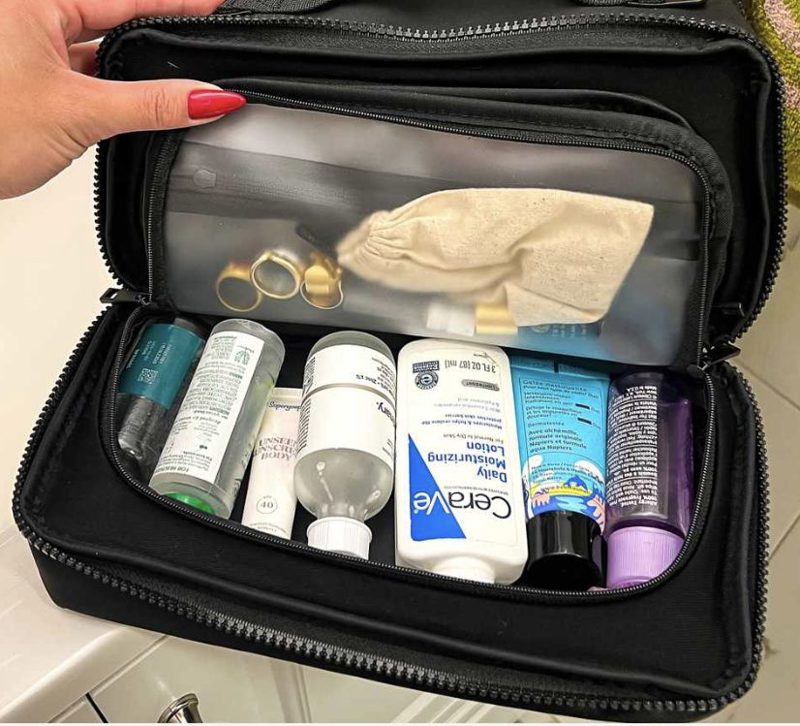
Economy TIPs:
1) Expensive Bag vs a cheap large Slide-loc baggie: … which packs more efficiently than a bulky stiff toiletries bag.
2) Carry one soap to do every thing (EX: small bottle of Dr. Bonner’s soap)
Anecdote: Overloaded young man: Hiking from France over the Pyrenees into Spain on the Camino de Santiago, I passed a young man, perhaps 30 years younger than, I dressed like old Special Forces with a WWII rucksack 2 to 3 times as large as my day pack. Terribly overloaded.
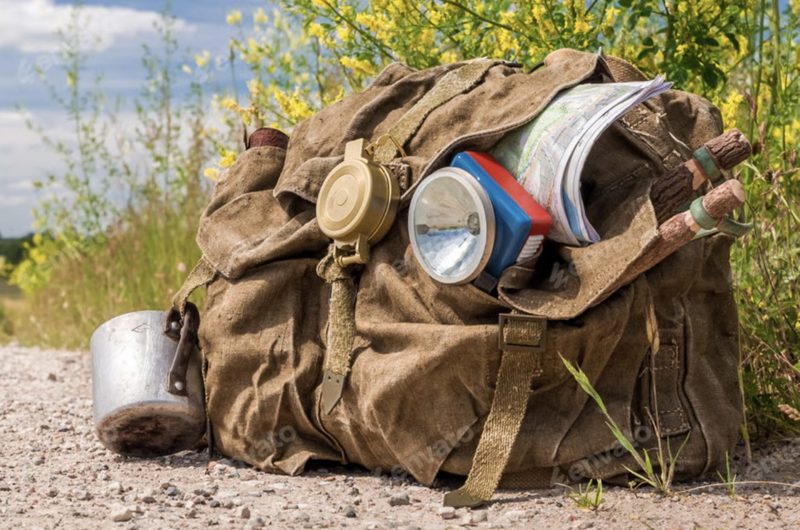
I said, “Hello” as I passed, and he responded with a simple nod indicating a man on a serious mission.
The next day I passed him again, saying, “Hello”, and his response was an UNfriendly look, a curt nod & grunt. I never saw him again.
Security:
Economy TIPs: Imagine cost of replacing stolen luggage & contents.
Modifications: I am constantly imagining & experimenting with luggage modifications that enhance security for me & my precious luggage.
13. FIT’s Limited luggage space
Security Strategies:
Anecdote: Airline cable & TSA locked compartments:
13. FIT’s Limited luggage space
1) All daypack & rolling luggage compartments are fitted with stainless steel key rings that can accommodate a looped stainless steel airline cable loop.
2) The airline cables can be woven thru all the compartment’s zipper pulls & locked with a small TSA lock.
3) If feasible in dorm, on train or in airport cable can be simultaneously secured around an immovable object.
Anecdote: Prime Security Rule: 13. FIT’s Limited luggage space
1) When buying a bus or train ticket I ALWAYS have
a) my large rolling luggage bag in front of me between me and the ticket counter with my legs touching it, so that I can grab it quickly if ‘snatch & grab” thief tries to steal.
b) whenever 1 hand is free, I hold onto the rolling luggage’s upward fully extended handle.
c) my day pack is on my back with all compartments locked with my cable lock.
d) If seated waiting in a bus or train station, I may place both daypack straps over the extended rolling luggage handle so daypack is resting on top of rolling luggage, and, … with a velcro strap wrapped around the handle & thru the top loop of daypack. I may also lock the rolling luggage’s airline cable around some seat hardware.
e) if seated waiting for my plane, I place my daypack on the floor between my feet with one foot thru one shoulder strap. OR, if on seat beside me, I put one arm thru a shoulder strap.
Again, Economy TIP: Imagine the cost of replacing stolen luggage & contents.
2. Ground Travel: Why FIT travelers use local’s transport?
~~~ Airport or Train/Bus Station to Town:
To large cities: I seldom took a taxi (Cairo) into town. Instead, I usually opt for the fastest airport metro or shuttle bus, because I am anxious to get to the city’s Transportation Hub and then navigate to my hostel.
Economy TIPs: Anecdotal TIP: If not that anxious to get to my hostel, I may take a slow & inexpensive airport milk-run bus that stops many times in different neighborhoods en route to my hostel, so I can begin my cultural immersion. A small savings.
If the city’s Transportation Hub is reasonably close to my hostel,OR in a smaller cities without a metro, I’ll will either:
Economy TIPs: Bargain an inexpensive tuk tuk or motorcycle taxi, or
At no cost, drag my bag to the hostel so I can begin to familiarize myself with its neighborhood.
~~~ In City or Town:
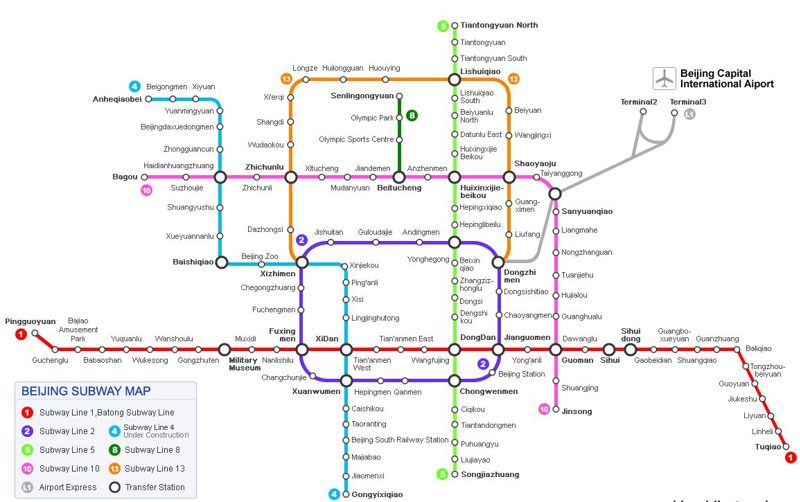
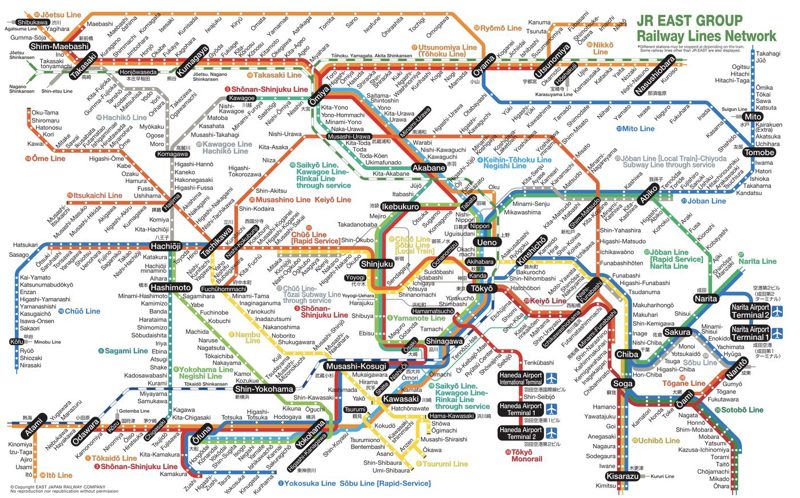
I may get a Train & metro system multi-day pass for the [Economy TIP] savings over several days AND for their speed, & convenience; particularly for long distances between countries or to quickly get around large congested cities like Beijing or Tokyo.
I have even opted for a Chinese ‘Bullet train’ just for the fun of it
Beijing Metro Map: Fast & easily navigated ‘ring stem’
Tokyo Metro map
Tokyo is very dense, very confusingly complex spaghetti-like metro system. Once you learn to navigate it, you can eventually get where you want to walkabout that day, but leave early.
~~~ Other ground Transport:
For most ground travel, I much prefer a combination of everyday citizen’s transport.
Economy TIPs: Often I may take a city bus or a taxi one-way to the farthest point of my day’s itinerary, and then spend the entire day walking back to my hostel from site to site, grabbing some street food when hungry, always looking for interesting immersive detours & distractions. Great cultural immersion and less expensive than several tuk tuks, or city buses.
Anecdote: Mandalay, India’s typical tuk tuk ride: Snaking at speed down congested streets, in its wide-open design, I am awash in the horns & yells of local commerce, smelling food’s pungent aromas, filtering breath from dense diesel fumes thru my 3M95 mask, while lurching back & forth as my driver adeptly threads his way thru the morass of people & vehicles. Apparent chaos, but it seems to work quite well. Authentic Mandalay tuk tuk ride
While I may be forced into a taxi or Uber when there's no alternative, I much prefer tuk tuks and even motorcycle taxis. Certainly for their low price and convenience, but mainly for their literal immersion into the culture at ground level.
Economy TIPs: Rather than a more expensive mini-tour or site guide, I’ve often rented a motorcycle, bicycle or scooter for convenient & flexible access for exploring large historical areas spread out over several square miles like
Anecdote: Ayutthaya, Thailand: “Ayutthaya Historical Park at 1.12 square miles.
I rented a bike from my hostel so I could explore the many spread out sites and get some cardio exercise.
Anecdote: Laos: Several times I rented a motorcycle for solo multi day overnight trips far out in the countryside. Nothing like a motorcycle’s freedom and the wind in your face.
Anecdote: Sukhothai, Thailand: A scooter made this 27 sq mi “Sukhothai Historical Park complex including associated sites” a fun, flexible experience rather than a ‘blink & blitz’ group tour with constant guide monologue (WADR).
3. Hostels? Why not a comfy B&B or classic hotel? 11. FIT Lodging: (full)
Hostels may number world wide at 15,000 to 25,000 all vary by location, size, quality, & their mix & variety of different amenities, but quite simply, they are the least costly lodgings that have my required or desired amenities in the location I want.
Lower lodging costs, hostel kitchen meals, etc. savings … frees up budget monies for unique activities, boat trips, tours, occasional restaurants.
NOTE: In fact, shared dorms & bathrooms actually define & distinguish “hostels” from B&Bs, hotels, etc.
a. Location may be the most dominant factor for several reasons: 11. FIT Lodging: (full)
1) Proximity to main tourist Travel Bud sites: Hostels are often centrally located near public transport & sites.
Economy TIPs: If a hostel is located in an area with many sites that you want to visit you must balance that area’s more costly hostel room with a less expensive hostel farther away that will require transportation costs back & forth.
OTOH, if your desired sites are spread out, you will have transportation costs either way.
Economy TIPs: Proximity to main tourist shopping & restaurants areas may require additional transportation costs.
There is no simple answer. You must research & decide.
Typical Example: You may begin your search for a Rome hostel amongst Hostelworld’s ~120 hostels in & around Rome; obviously a huge city. Rome has, perhaps, 6 major tourist areas including: 1) Centro Storico (Historic Center), 2) Colosseum, Roman Forum & Palatine Hill area (Ancient Rome), 3) Trevi Fountain & Quirinale area, 4) Spanish Steps & Tridente / Via del Corso, 5) Vatican City, 6) Trastevere.
While all are a 20–40 minute walk or quick metro/taxi ride, you may choose to base in Centro Storico, Monti (a trendy village-like area) or Trastevere for easy access.
Once you have researched and chosen your preferred area, THEN you are ready to begin drilling into the individual hostel offerings for that area via hostel booking platforms (hostel.com, hostelworld.com,, booking.com, etc.)
OTOH, if seek a more calm lodging area, perhaps, Prati, Aventino, or Monteverde.
2) Near train/metro/bus system for easy access elsewhere:
Economy TIPs: In a large city (Beijing, Tokyo), a multi-day pass may save you money & the hassle of buying many individual tickets in a complex system.
EXAMPLE: Tokyo Subway Ticket, offering unlimited rides on all Tokyo Metro and Toei Subway spaghetti system complex lines for 24, 48, or 72 hours
Anecdote: Beijing vs Tokyo metros: Beijing’s nested inns metro system is very EASY & therefore fast, but Tokyo’s Metro system, is a complex ‘spaghetti system’ often leaving you at a station bewildered as to how to move forward.
3) Quietude: If you prize solitude & quiet from the cacophonous tourist crowd, then ask Grok for nearest quiet neighbor hood & it least expensive hostel. Double check Hostel’s reviews although Grok probably already did.
Caution: may be more expensive for that reason
Anecdote: My Saqray Cusco Hostel: (formerly Hostal Mira Sol) is a breezy hostel uphill in a quiet area not far from Plaza de Armas’ historic main square
4) Remote areas may have very few & basic lodging options: so you take what’s available.
Anecdote:
1) Lijiashan, China: a relatively remote, unique 500 yr old village carved out of the mountain’s stone Finding my lodging
2) Brajchino, S Macedonia village: small village in southern Macedonia just to hike & experience off track. Brajchino
5) Ambience:
Farm stays:
Anecdote: Hadrian’s Wall trek across North England. Hadrian’s Wall
Nunnery Ruins: On my Camino de Santiago trek across Spain to the Atlantic Ocean, early one morning I walked in the misty pre-sun toward a haunting stone ruin soon to learn it was the San Aton Convento ruins a considerable distance from the next little town. Nunnery Ruins
Ignorant of its existence & history, I stood for some time contemplating the lives of the women ensconced here. I reflected on Victor Hugo’s “Les Miserable’s’” lengthy description of a nunnery & its depressing prison-like atmosphere & profound religious suppression of women’s rights, ambitions, status. Hugo was so vitriolic in his disdain that his editor wanted that chapter removed; ultimately to its own section.… https://www.hyperborea.org/les-mis/book/convents/
b. Prices:
CAUTION: If seeking lowest hostel priced dorm bed, other factors may consume your savings: more expensive transport or food costs. So please be cautious .
NOTE: Lower Cost of dorm room & bath construction drives hostel prices downward which when coupled with other hostels amenities makes hostels a superior, cost effective option over all other lodgings.
Economy TIPs: I asked Grok (3/22/26) :”… to find me the least expensive dorm bed in Florence Italy?” Grok Response: (edited down)
1) Archi Rossi Hostel: about US$7 rated 9.4/10, near the train station)
2) Emerald Palace: around US$7 (9.5/10 rating).” Excellent locations actually!
Economy TIPs: The more beds in a room, …. the lower your cost.
Example: Florence , Italy, at Hostel-world: (as of 3/23/26)
4 bed Mixed Dorm EnsuiteStandard: $89.96
10 bed Mixed Dorm ensuiteStandard: $81.18
18 bed dorm (roughly) $14–$27
Medium tourist hotel: Single: $85–160 USD
Economy TIPs: Anecdote: I usually chose the most expensive 4 bed dorm on the assumption that most price conscious folks would opt for the least expensive 4 bedroom dorm leaving me with my more expensive dorm all to myself.
In rare instances, including the Camino de Santiago trekking route across Spain, albergues, monasteries or nunneries my offer very large sleeping door rooms at low prices.
Economy TIPs: Early pre-booking may get you the least expensive dorm bed.
Economy TIPs: Some hostels have large group room at low cost/bed. Single room (maybe with an extra folding bed) can serve a small family economically
c) Bathroom w/hot showers:
Economy TIPs: Towels: most hostels offer quality towels for a fee. Avoid fee with your own towel.
Anecdote: I like a nice towel: I always carried a small & thin, high absorption, backpacking towel just is case, but I much preferred the hostel’s fluffy large towels for a fee. I used it for my entire stay, hanging it over my bunk’s head board or my rolling luggage’s extended handle to dry. Price was worth it, but over several weeks using your own towel may save you a nice restaurant dinner.
Economy TIPs: Hotel soaps: I always carried a ½ dozen tinyUSA motel soaps, but was happy to use any soap or shampoo left in the showers or sink. Saved space & money.
Anecdote: Early in my travels I carried a full bar of soap for 2-3 months and had 50% when I got home. Silly to carry that much of ‘anything’ that I didn’t need.
Economy TIPs: shaving razor: I often opted to grow a shallow beard, so carried no shaving cream; eventually learned soap worked just as well.
Economy TIPs: Toilet paper: I always carried a 1) near-empty TP roll in may rear pocket’s plastic bag (include hard Passport copy, Imodium, Handy-wipe),.2) at least 1 full roll in luggage for emergencies, 3) saved wasted time getting from staff or a store , and it was a paper towel substitute when needed.
Economy TIPs: Washed T-Shirt & Cargo shorts: particularly in hot steamy climate of South America Asia and occasionally in Europe I would wash my sweaty shirt and shorts while I was taking a shower avoiding a coin washing machine for so few items.
d. Kitchen & Meals:
Most FIT travelers burn up a great deal of energy and probably body mass every single day. Replenishing that is necessary and can be inexpensive or expensive
Economy TIPs: Ask Hostel Staff: Always ask hostel staff where they eat and how they eat inexpensively.
Economy TIPs: Price conscious alternatives to expensive restaurants
1) Shopping & Storage:
Dry goods: cereal, pasta etc: most hostel kitchens have informal/formal storage cubicles/shelves. Often ‘free food’ is kept nearby.
Perishables: 1 refrigerator, sometimes 2 in large hostels
Note: Usually a system or rules for:
name or room labeling food (felt tip pens)
# of days before tossed by staff
2) Free shelf: Usually 1) basic condiments (salt , etc) hostel provides , 2) extra Economy TIPs: food that past guests abandon or leave for other’s use
3) Breakfast:
~~ Economy TIPs: Simple Hostel breakfast: Many hostels provide a minimal breakfast of cereal & milk, toast & jam & coffee.
Anecdote: Sliced bananas: If cereal is available early in the morning (6 or 7 am) I will normally a slice a banana into it that I bought earlier at a market.
~~ Economy TIPs: Street Bread rolls/croissant: If cereal not available when I want too leave for day, I’ll gladly skip and start my day’s walkabout or tour with fresh baked rolls/ or croissant rolls found in the many little mini-mart like shops every culture seems to have. Nothing more satisfying than walking to my 1st site visit munching on a croissant with a couple more stuffed in my pockets.
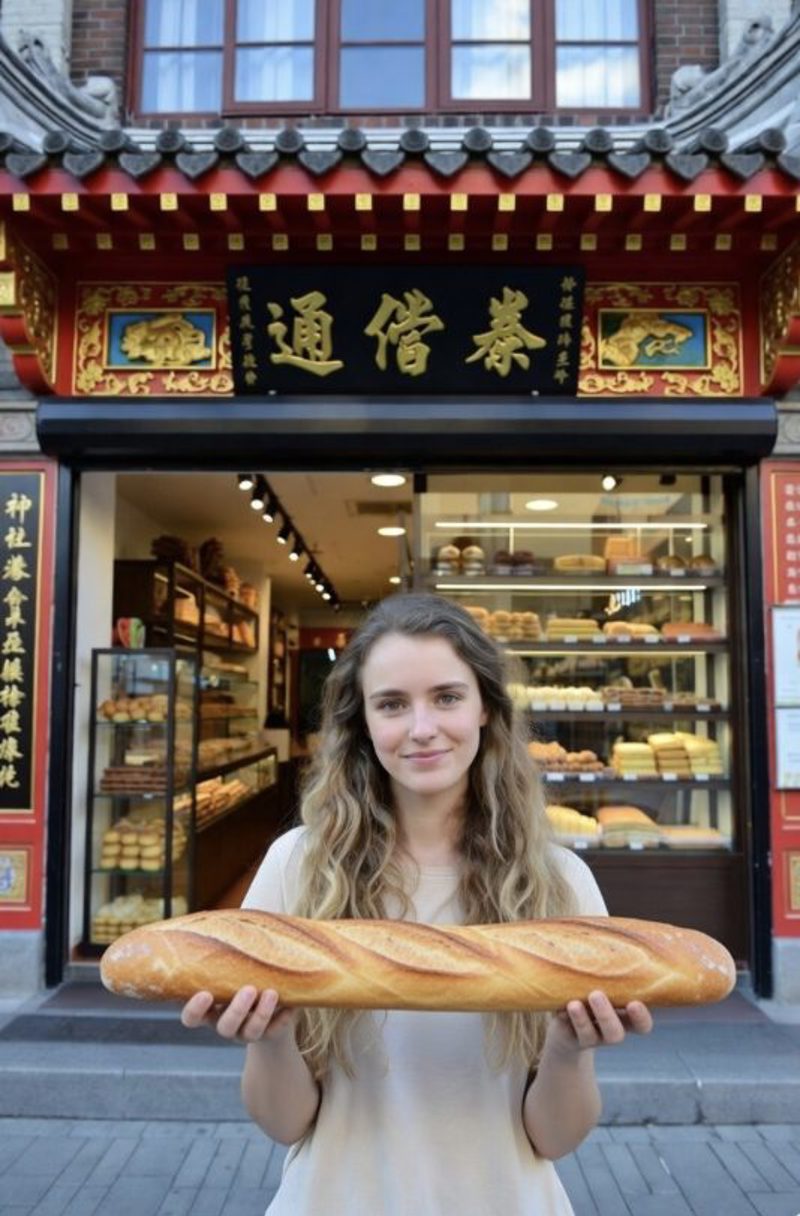
Anecdote: Ho Chi Minh City (Saigon), Vietnam: each morning I was on the streets very early to visit a nearby bakery to by my breakfast — a loaf of bread. Because it was more than I could eat, I asked the baker to cut it in half, put it in a bag, and keep the other half for herself as I handed the full price. Surprised, but she would eat or sell it. Both of us were happy.
Anecdote: In small Mexican town of San Francisco on the West coast each morning a lady walked the streets early on with a tray of freshly baked goodies balanced in her upheld hand. Boy was that a treat to look forward to each morning.
~~ Hostel’s Formal Breakfast: Some hostels offer a formal sit down breakfast at a reasonable price, that I may opt for if my schedule can accommodate & I feel like splurging.
Anecdote: Euro Hostel, Glasgow, Scotland had a lovely full breakfast for a reasonable price, but alas, hostel closed in 2024 for personal reasons.
Anecdote: Mai Sai, Thailand: early market veggies, back to hostel to purify, put in plastic bag with a hole I can reach my hadn’t in. I snack on that til mid-afternoon.
4) Lunch: My travel days are so intentional packed walking to planned sites and the unexpected detours that I stumble upon frequently.
Economy TIPs: So, I usually don’t seek out lunch unless I inadvertently run across a inexpensive street food vendor, can watch him cook MY meal so I know it is safely hot, THEN, I’ll grab a few chicken pieces BBQ’d on a stick, etc.
Anecdote: Calcutta, India: walking back from tourist area & its restaurants & cafes, blocks away I stopped at a mobile snack cart and bought some chicken sticks that I saw him cooking.
Economy TIPs: Also I may stop at an intriguing small street cafe that MAYBE less expensive than in my tourist area, but more for the experience than the price.
Anecdote: Vilnius, Lithuania: After wandering the park, visiting Napoleon’s maligned churches I sat and watched ALSO similar cafe in Edinburgh with Band etc. Vilnius Cafe
Economy TIPs: Almost every city or tiny town I have been has a 7/11-like store(s) that offer cheap snacks or local foods. The rest world eats also.
5) Dinner:
a) Cook in Hostel Kitchen:
Cook your own meals, prepare kids daily snacks, save $50–100+ per day for a family (huge benefit for picky eaters or dietary needs). Many hostels provide main appliances ( stove, refrigerator, microwaves), pot & pans, common utensils, and sometimes even basic condiments.
Economy TIPs: Cook in Hostel: to replace heavy carb volume for the energy I burned off during the day, but save money not spent in restaurants frequently, which I also did
Economy TIPs: Shop the large open markets for groceries in the early morning (5-7am) when they have already set up for restaurant owners & institutions. Good prices, varied selection and MOST importably, a great travel experience & you can prepare your own meals.
Economy TIPs: buy something immediately in a plastic see-thru bag.
Economy TIPs: Anecdote: My ‘gut bombs”: normally I avoid pasta and other heavy carb meals even though at home I do a fair amount of hiking, bike riding, and kayaking. My self-guided walking tours consume a great deal of body mass, because I am starved at the end of most days and must replenish.
I do so with pasta meals , affectionately known as Scott’s gut bombs, usually any available pasta, a jar of Barilla Pasta Sauce Tomato & Basil, diced chicken or ground round hamburger cooked and diced, mushrooms & tomatoes.
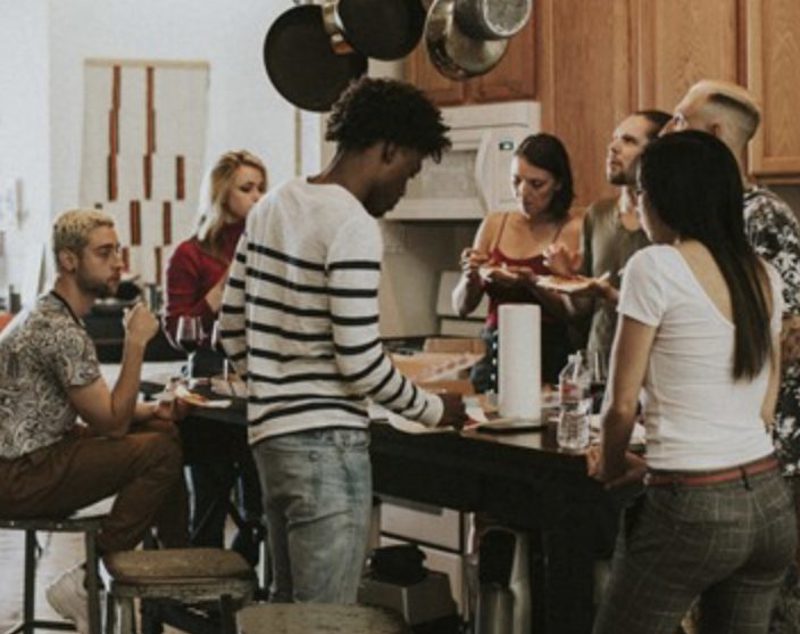
Not only did my gut bomb taste magnificent to this physically burned out 70 year old bachelor, it was relatively inexpensive, very filling and a great opportunity to mix & chat with others.
b) Restaurants:
Restaurants, etc. usually abound near hostels, except perhaps in rural or tiny hamlets and even then, ‘pub’ or their equivalents provide a similar function.
Splurging (???): Some countries have well known traditional foods it may be worth your curiosity to try. If, for example, you crave fire grilled cooked meat you must try a “parrillada” I.e. grill cooked beef beef cuts, sausages & offal. (Ich!!)
Anecdote: Ushuaia’s Argentina: Not much of a beef, pork etc. eater, I tried Parrilla Patagonia, a tourist friendly meat grilling restaurant, because of its cultural significance: — A welcoming spot (locally managed, (Juan) excellent BBQ'd meats, quality grill work, authentic taste without high tourist markups. Interesting experience.
c) Specialty shops:
Economy TIPs: Unless purposely splurging on an authentic full spread restaurant, look for each culture’s small eating places for inexpensive authentic tastes:
Japan: Ramen shops Mexico: Taquerías
Vietnam: Pho restaurants Galapagos Islands: Ceviche
Thailand: Pad Thai Italy: pizza
China dumplings Greece: Souvlaki
Indonesia: satay skewers. UK: Fish & chip shops
Egypt: Koshari Spain: Tapas bars
France: Crêperies or baguette sandwiches.
Anecdote: A classic French baguette sandwich: On a 2 hr layover waiting for a bus to the Lorie Valleys collection of Castles, I wandered down a small side street past a small boulangerie’s counter window advertising the classic French ultimate staple: a split baguette with salted butter , filled with thin high-quality cooked mild ham. (Jambon de Paris ).
I carried it like some religious offering to a bench in a lovely park to eat and wash down with some Perrier. So French. So memorable!
Anecdote: Chinese dumplings: In SW China’s Dali town, while on. My self-guided walking tour, I discovered a couple’s, small Chinese dumpling shop. Gorged on these magnificent morsels and returned again next day to video how she made them & gorge again. Chinese dumplings:how to
Anecdote: Florence, Italy pizza: I discovered a tasty pizza shop & ate there almost every night;
Anecdote: Chongking, China: stranded in a train station waiting several hours for a connection, a single shop was jammed to the ceilings with seemingly infinite choice of typical, “Just Add Water” noodle meals. Outside the shop were 2 free hot water dispensers tap brought them alive.
6) Cooking Classes: Cooking Class fee may be less than such a meal would cost & you have the cooking experience,
Anecdote: Hoi An, Vietnam hostel cooking class: Cooking class
7) Emergency Food: I always carried 2 dried dinner paks with me in case I had no access to food (late airport arrival). I never had to use them.
8) Remote Locations: Remote lodging’s owners anticipate & provide meals.
Anecdote: Sandysikes B&B Bunkhouse farm stay: On Hadrian’s Wall across N England hosts provided lovely family style dinner in authentic English estate ranch home. At another seemingly remote farm stay we ordered. in pizza from a nearby town. It almost always works out.
farm stay
e. Dining & Common areas:
Economy TIPs: (great people mixer ) Ideal setting for meeting fellow travelers, sharing travel tips, experiences and perhaps arranging small group car or driver rental excursion
f. Camaraderie’s welcoming community
A hostel’s Camaraderie or sociability not only fulfills the human desire for companionship, but it also offers the potential for less expensive and perhaps more fulfilling travel.
Hostel kitchens, dining room, common areas, laundry, and any other place where people might encounter each other are built-in opportunities for meeting people and establishing that camaraderie that hostels are so famous for. They truly are the fit travelers's melting pot of all travelers, ages, races, nationalities, and sexes.
Economy TIPs: The above venues (kitchen, dining & common areas, even laundry area) AND range of activities (cooking classes, common market shopped hostel kitchen meals, partying & pub crawls and day tours) are natural opportunities join with others and reduce your overall costs while sharing in fellow traveler’s camaraderie.
Economy TIPs: Daytrip car rental: Several guest may share the Uber or a guide expense for a day trip to one or more sites that might be too expensive or cumbersome to achieve on your own.
Anecdote: Day trip to Abbey of Mont-Saint-Michel: 4 of us shared a car rental for a day at Mont Saint-Michel from Norman hostel that would other wise have been too expensive for either of us alone.
Mont Saint Michel Abbey
Economy TIPs: Guest Currency exchange or trade: Often if going to a another contiguous foreign country (think: Laos to Vietnam) you can buy an in-coming guest’s excess currency from the country you are going to at non-fee exchange rate (check internet for ‘day’s exchange rate). That is convenient.
They in turn can buy your excess currency for the country you are leaving. Both sides pay NO currency exchange fee. Win win\!!! Either side can get rid of their excess currency even if their no mutual exchange.
Anecdote: My Vietnam/Laos Guest currency exchange: I made these mutual currency exchanges often between. Thailand & Cambodia, Cambodia & Vietnam, Laos & Vietnam. NOTE: Didn’t work with Myanmar’s dictatorship controlled currency that no other country would honor.
Economy TIPs: Guest common meals: a group spaghetti dinner can be an inexpensive & socially fun & bonding, cheap, but tasty source of carbohydrate replacement.
Economy TIPs: Information source: other hostel guests can be a superb source of money saving TIPs:
Good hostel dorm recommendation in your next city & a staff connection,
Nomad traveler’s hostel employment connection & options
Restaurants, unique sites or experiences you didn’t catch in your research.
Meet a Travel partner share some expenses: tuk tuk, dinner etc.
g. Staff:
Economy TIP: FIT traveler staff: who work hostels to pay for their bare bones, ’poor’ travel, often are very cost conscious, ferreting out every possible cost saving
Economy TIP : least costly cafes, transport options, money exchange fees,
Economy TIP: Shared day trips: May share day trip expenses.
Anecdote:A shared daytrip along the lochs and a visit to Braveheart’s Stewart Castle Glasgow, Scotland:
h. Safety & Security:
Economy TIPs: If making overnight (OVN) side trips confirm your hostel’s overnight storage is free as long as you have pre-booked your return night.
Economy TIPs: protect your excess money, Passport etc in hostel receptions’s safe which is usually FREE.
Economy TIPs: Always carry airline cables & a TSA lock to secure your luggage to anything immovable to avoid theft & costly replacement.
Anecdote: China night train from Datong to Pingyao toward Xi’an; hall way overhead rock OUTSIDE my cabin. Datong to Pingyao Night Train
Economy TIP: luggage airline cable security
Anecdote: My modified Osprey daypack & rolling luggage’s airline cables Please SEE: https://scottsolotravels.com/blog/my-osprey-daypack/
i. Laundry Facilities: free or coin machines, free drying racks or clothes lines.
Economy TIP: wear fast drying synthetics, wash in the sink or when showering and hang on dorm chair or in upper bunk springs to dry
Economy TIP: Clothes line cord: carry some thin cord for a clothes line to hang from dorm bunk.
Economy TIP: Washing soap: bring your own in a double Baggy to reduce of accident IN luggage & to avoid buying any. Many hostels sell soap packets.
j. Access for Luggage:
Hostel owner/creators lease less expensive upper floors for their hostel anticipating that they can then offer lower dorm bed prices making them more competitive with more expensive 1st floor hostels. These upper floor hostel owners believe their clients are naturally physically fit enough to easily carry their bags up stairs.
In my 60s & 70s with a bad back & knees, I could climb stairs & mountains, but carrying my luggage up several flights of stairs was very difficult & potentially damaging. The easy solution, but unfortunately, more expensive solution, was to always book the more EXPENSIVE, more easily accessed hostel’s with 1st floor access &/or elevators.
Economy TIP: Luggage lift: OTOH, a wise hostel hotel tries to mitigate this obvious potential negative, ideally, with an elevator, unfortunately not that often. Some owners get creative:
Anecdote: Luggage lift: One hostel (don’t remember which) had cleverly installed a motor driven winch that hauled my bags up thru the stairwell to the hostel.
Economy TIP: My solutions.
Anecdote: My Kraków, Poland’s 1st Hostel choice: … was several floors up without an elevator. So, before booking, I emailed the hostel indicating that at 70+ with a bad back, it was difficult to carry my bag up several flights of stairs. They graciously volunteered to do so when I arrived.
When I arrived I cable locked my rolling luggage to the bottom of the stair railing and asked the desk staff if they could help me. She graciously dropped everything and with great enthusiasm she grabbed one end, and I the other and up we went. .
In other such situations always they were happy to help. The young guys just threw my bag over their shoulder and shot up the stairs. Pure machismo.
k. A/C or heat:
Economy TIP: A/C is typically found in hot Asian or South American hostels often for a fee, but a free ceiling fan or large standing fan option is free.
Anecdote: Bangkok, Thailand: Brutally hot, with 66% humidity, my KC Guest House, offered both A/C (for fee) or free ceiling fan. I avoid A/C because it dries out my nasal passages, thus I opt for a FREE ceiling fan.
TIP: Sleeping in high temperature & humidity: From boyhood, living in my Rochester, NY finished off attic room with no A/C, I would get a bath towel sopping wet and lay it over my torso as I lay on my back in bed. The towel’s evaporation cooled me. Doing the same UNDER a ceiling fan does the same more effectively.
Economy TIP (FYI):-never charged for heat, AND Unlikely because Guest Reviews would be devastating, BUT FYI, most hostels anticipate the need with some options including extra blankets which are happily provided in my experience.
Anecdote: Shaxi (zhen), SW China’s: thin wood slab walled historic traditional building hostel, provided electric blankets which were great.
YouTube video: Shaxi’s Horse Pen 46 Hostel
l. Internet Connectivity & Practical Services: free, everywhere (usual norm)
Most hostels now have good wifi. Wifi is like water - basic. some may not have ‘good’ wifi in room. Check reviews for wifi comments. Starlink
Economy TIP: cost saving research beforehand to find & book all least expensive logistics: hostel, bus, trains & air tickets, daily walkabout routing, etc. using the respective platforms: hostels.com, Rome2 rio, etc.
Economy TIP: (hopefully) profitably Manage stock portfolio:
Economy TIP: taxi or tuk tuk fares: Check internet (or ask locals one train) what local tuk tuk fare is so you can bargain & not overpay. NOTE: they park at the train station because that is where uninformed tourists arrive. If you know the price, they often give-in fast.
Anecdote: Jodphur, India (site of some unique step wells): Coming out of the train station I was mobbed by ‘insistent’ tuk tuk driver’s. I bargained, but they refused my price. So, much to their surprise & chagrin, I just walked away past the station.
A few minutes later one of those earlier drivers pulled up alongside me agreeing to my earlier fare offer & off we went. Irony is, … I often tip drivers so they would have received their originally desired fare.
Why did I start walking? because I knew where I was going and I knew eventually some tuk tuk driver would approach & we would bargain fairly.
m. Travel & Activity Desk: free, knowledgeable FIT travel, budget transport options, etc.
Economy TIP: Specialty Experiences Some hostels offer price-competitive activities & experiences: walking tours: art & painting classes ,cooking classes, Salsa dance classes, yoga, surfing lessons/trips, hiking, snorkeling, or eco-tours, language classes, street art tours or cultural workshops,
Economy TIP: City or specialty walking tours: Hostel’s cost-conscious City walking tours or specialty walking tours (Street Art Walking Tour)
NOTE: Many large cities offer quite good free walking tours led by college students who get paid by your end-of -walk contributions. I often take these tours to familiarize myself with a city. I seldom video those fee walking tours because almost immediately I retrace the tour … diving deeper with my video camera.
Economy TIP: Discounted entry fees: Many foreign tourist sites offer discounted entry fees during slow or off-peak times: free or discounted hours/days, or shoulder/off-season deals. Timed-entry pricing for slow times may FEEL less expensive because lines are shorter.
Economy TIP: Can hook you up with others who are organizing a shared car rental or taxi day trip
n. Currency exchange: Unusual hostel service (not a bank), BUT, can advise best lowest-fee options
Economy TIP: staff can advise least expensive trustworthy currency exchange. I used Travel X because it seemed omni-present, but avoid airport currency exchanges and street money changers whose fees are
1) often higher than town’s exchanges or banks,
2) street money changers may cheat you with
a) counterfeit money,
b) higher fees
c) confusing explanations, &
d) clever fast-fingered short changing you.(like card sharks)
o. Age Limits: Assuming your children conform to government or hostel age limits, hostels are seldom less expensive than middle to low end hotels, BUT the cost benefits/savings are in a hostel’s amenities that hotels either lack of charge extra for. 11. FIT Lodging: (full)
Full kitchen: Cook own meals, prepare kids daily snacks (save $50–100/day)
Free or low-cost extras: breakfast cereal & toast, laundry, Wi-Fi, games, & social areas, free tours, bike rentals, or local discounts.
Location: site central &/or near metro stations & sites low transport costs.
p. Parking & bike storage: parking rare, so enquire in advance if important.
Economy TIP: In a large city a real savings if other parking unavailable or expensive.
q. Miscellaneous:
Economy TIPs:
Large water filters:
Anecdote: New Delhi, India Hostel: Hostel had a large water filter hanging one the wall for guest use. Every morning before leaving, I filled up saving cost of bottled water & avoiding the risk of ‘dishonest’ water.
free tours, bike rentals, or local discounts
Subscribe!
Join my mailing list to get new content notifications.