
11. FIT Hostel: x (full)
"Travel, poor … even when ... you don’t have to."
I. DEFINITION:
- A. Traditional Definition:
The traditional, almost mythological 1900’s “Hostel” was a dirt cheap, rough, bare bones, minimally converted, rustic old building, with large shared multi-bed sleeping dorms, basic bathrooms & communal hot shower’s, a bare bones kitchen, dining/common area and maybe laundry sink & drying racks. A refuge for the weary, but hardened, long-haired hippie backpacker seeing the world.
In the main, those hostels disappeared decades ago.
- B. My Updated Hostel Definition:
A hostel is a relatively affordable lodging defined by 2 factors):
- 1. shared sleeping dorms,
- 2. communal bathrooms with hot showers. That’s it.
PERSONAL NOTE: I often use the word ‘hostel” generically to refer to any ‘economy level’ lodgings i.e.whatever accommodation is available whereever I happen to be, but this is NOT its true definition.
In addition, and equally important, hostels offer a wide variable mix of additional useful amenities that facilitate & enhance the travel experience including, but not limited to: fully equipped kitchens with modern appliances & utensils, dining areas & comfortable common rooms, single & large group bedrooms, DYI laundry machines, drying racks & clothes irons, large water filters, travel libraries and most important, a warm welcoming community of camaraderie.
Note: The Camino de Santiago trek across Spain, etc. has ‘iconic pilgrim hostels called ‘albergues’ (al BEAR gay) or the medieval traditional ‘ refugios’ in many large & small towns all along the Camino de Santiago pilgrimage routes in Spain, Portugal, etc. These albergues have the hostel-like communal, shared experience that captures the early 9th Century pilgrimage spirit of the Camino.
Anecdote: Camino de Santiago’s unique array of ‘pilgrim’ lodgings: refugios
Note: A ‘guest house’, especially in Japan, China, & Asia at large, is analogous to a hostel with its inexpensive, informal shared dorms & futons, or private rooms with shared facilities like kitchen/bathroom.
- C. Other Lodging Types:
- 1. Hybrid-hostels & Poshtels; [SEE sub-pillar link]
…. are ‘hostel’s’ upper tier with much steeper prices, more expensive high quality amenities particularly those appealing to longterm remote workers: work cubicles or quiet work rooms, high-speed wifi, & roof top cafes. Irony, is that many hostels at all price levels may have rooftop cafes, laundry or outdoor lounging decks. Hybrid & poshtels reflect the diverse mix of size, quality etc amongst hostels.
- 2. Other small & large Lodging Forms:
There are 2 other broad categories of lodging outside the realm of hostels: 1) B&Bs, home/farm stays, AND 2) traditional hotels. Both kinds of lodging may substitute for hostels when necessary, but, are not the equivalent.
~~ Smaller ‘ambience’ lodgings: Air B&Bs, home stays, & farm stays get a justifiable premium for room privacy, quality amenities, a warm homey ambience, or their close proximity to Travel Bud sites & experiences, or perhaps, their unique cultural experience.
Anecdote: No hostels available: Wales B&B: Don’t recall why I chose this B&B other than no hostels available, reasonable price, and in St Davids as a trailhead for my coastal hikes. It was a really cute little house with several guest rooms & a dining room. My room was, with nice period furniture, etc, great views, and a comfortable atmosphere. Not my normal, but certainly enjoyable at end of day’s hikes & town walkabouts.
Anecdote: Unique Location: I live in a small Arizona mountain canyon known mainly to those who camp & hike. My friend’s (now passed) well done Spanish style home was bought & enrolled with Air B&B , …. superbly LOCATED right in the canyon.
Anecdote: San Gimignano’s novel lodging: In this Tuscany medieval Italian hill tow, I pre-booked and arrived late in the evening at Monastery of San Girolamo drenched in rain water to register & find my private room and shower down the hall. I chose the monastery because it might be a novel lodging experience. It was a quiet, respectfully novel experience It may also be the closest I sleep near heaven.
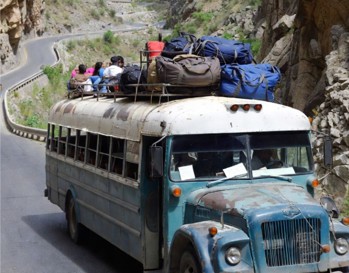
Anecdote: ‘Winging it’ at the bottom of Barrancas del Cobre (Copper
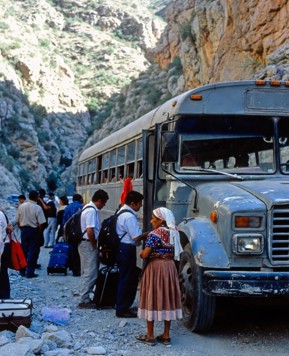
Canyon), Mexico: I had NOT pre-booked lodging because the only one I could find was a very expensive tourist hotel, so I figured I’d just Wing it.
I exited the worn out canyon bus* that brought me deep down into this canyon, and an older lady immediately touted her nearby simple home lodging with a bath & shower including a meal if requested … which I accepted.
I make such decisions intuitively & fast based on the context, person, etc. She was a nice older lady with entrepreneurial spirit which I always respect, not of great means, who could use the money, and my ego was NOT in play.
Certainly, not a traditional hostel, but in its context, perfectly acceptable when only other option was an expensive tourist hotel, besides I was traveling in a SMALL 18’ RV van for the next 3 MONTHS throughout Mexico, Guatemala and Belize. If her room was totally unacceptable, I could always find a way back to the canyon top and my Roadtrek RV van.
Anecdote: continued: Barrancas del Cobre BUS ride: * The bus that made this trip was a ratty old bus handed down from some big city to smaller towns until … worn out, it finally landed here. This morning was chilly and as we started down into the deep canyon the windshields quickly fogged up & iced over.
Once in a while the driver would stop and his beer-drinking buddy (6:00 am) would try to scrape off enough ice to give the driver a tiny cleared spot to look out and see the road edges and we would start down again.
Often when I looked out my window I could not see the cliff edges under the bus, … only the hundreds of feet down the steep mountain sides the bus would bounce if our driver miscalculated.
~~ Hotels/Motels:
Generally, expensive private rooms with en suite bathroom, bathtub & shower, costly additional services (room service, laundry). Atmosphere, IMO, is often lifeless, sterile, bland with minimal generic decor, harsh lighting, standardized furnishings, overly clean & sanitized, perfunctory staff, often deathly still & socially lifeless.
Rather than a somewhat stilted atmosphere of motels & hostels I have stayed in all over the world, hostels almost always throb with a vitality that ebbs and flows throughout the day & evening.
Hotels are almost all devoid of any kind of camaraderie unless you're like hanging out in the bar. The staff is in my experience, simply doing their specific jobs whereas the staff in a hostel is not only an integral part of the hostel staff, they’ are probably a guest. Hostels, IMO are much better than hotels particularly for people seeking cultural immersion .
- 3. Hostels: In contrast
At a minimum, hostels are cheaper, socially active, & packed with travel-useful, money saving amenities: fully equipped kitchens, dining area, common room, laundry, and a possible host of other traveler friendly amenities: currency exchange, travel, desk, booking support, café, long-term storage, lockers, tours, and social activities
It is difficult for me to recall a hostel that did NOT feel “alive’ even when it had not officially open the reception desk for the day. Like a teen’s bedroom, hostel usually have all kinds of knickknacks that have accumulated over time that add to the hostel & travel vibe including the obvious travel posters & a world map of their traveler’s home towns.
Common rooms are like college dorms with all kinds of seating, potential activities: board games, computer, TV & DVDs etc. Even when quiet you know it is ready to go, instant reminding you of the fun had here the night before.
Socializing: You would have to be a real introvert to get a dorm room and not meet people in that dorm room or to cook your dinner at any normal time and not mix with all of the people cooking their dinner and then, unless you are really an introvert, you would probably end up eating with them in the common dining area.
Tallinn, Estonia — 1st hostel with nightly band.
II. Hostel’s HISTORY: read more →
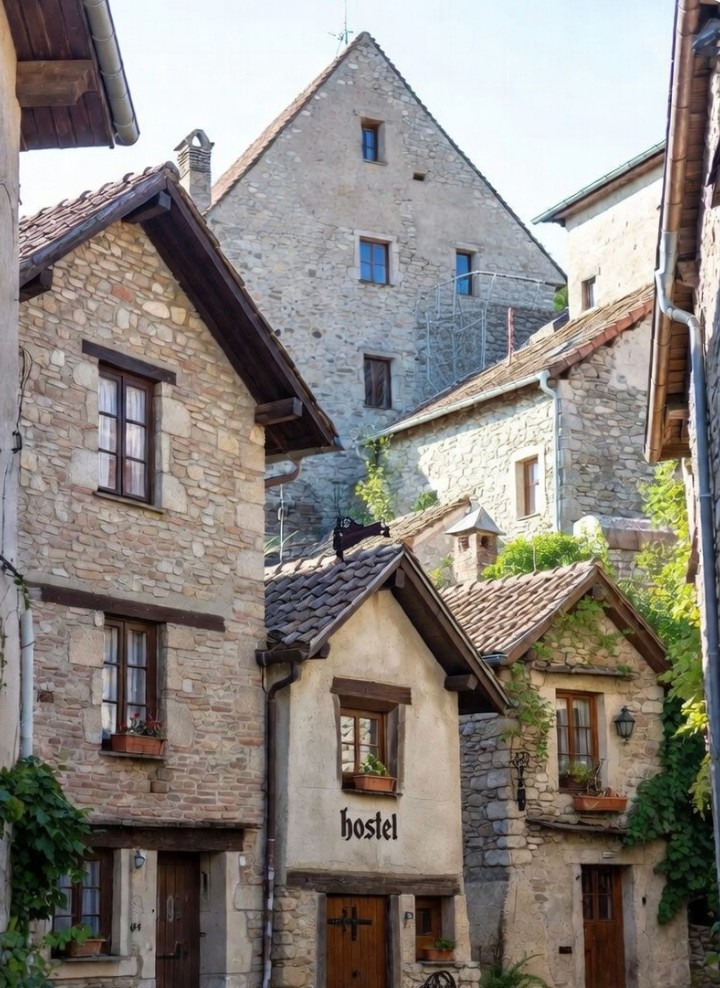
Taken from the 11th C Old French word “ostel” and morphing into the early 13th C English word, “hostel”, it referred to an inn, house of entertainment, lodgings, or a shelter for travelers. At different times, it also referred to commercial luxury lodging, hospitals, hospice & even host and hospitality
- A. 1900s ‘hostel’:
Invented by Richard Schirrmann, a German schoolteacher (1909), as a budget, shared, dormitory-style accommodation, read more →
…………
- B. 2000s (21st C) Hostels:
Since the early 2000’s, a massive increase in travelers of all ages & travel ambitions dramatically increased the demand for low cost, higher quality lodging…. more @ Hostel History →
- C. 2020s (21st C) Hostels:
After Covid’s hostel massive disruptive decline, hostels world wide exploded particularly in Asia -Pacific region, …. a 60% increase …. Making FIT Travelers research & planning all the more important as each FIT traveler scramble for the ideal hostel. more @ Hostel History →
Multi-Hostel Regional/Global Chains:
When & if I have stayed in one of these lodging types, it was because it best fulfilled my amenities & reviews vs price criteria, not because they were part of a “multi-hostel regional/global chain.
These hostel chains , in my limited knowledge & opinion, are simply a large and perhaps a higher quality, amenity loaded version of any hostel, but whose large number of rooms (like a hotel) might financially underwrite overall higher quality of decor and amenities, unique benefits: restaurant, night club, swimming pool, loyalty programs, concierge’s tours/transfers booking service.
Larger chains: Generator Hostels, Meininger Hotels, Wombat’s Hostels, CLINK Hostels, or YHA with 10+ properties dominate urban markets across regions or countries targeting the usual travelers including FIT traveler, backpacker’s as well
as student, groups & families. Their massive economy of scale enables consistency, brand loyalty, high amenities bordering on hotels, but with hostel amenities.
Anecdote: Chongqing, China ‘hostel’ was actually a large single room with a few bunkbeds, maybe a couch or chair, bathroom with hot showers and maybe an efficiency kitchen bar (don’t recall), and relatively inexpensive.
After sitting in a train station for hours eating noodles from a kiosk, then on the metro guided by a friendly woman police officer to jump off at my correct stop, in the pouring rain I found my hostel. I probably went for my usual quick walkabout, then jumped into my bunk ready my next morning full day tour to
& .
Danhostel Copenhagen City, Copenhagen, Denmark large modern skyscrapers: Denmark with 1,020 beds, 192 rooms.
Anecdote: YHA hostels: in my earlier 20 years of foreign travel my impression of hostels was two fold. YHA’s were often found in remote places like ‘somewhere’ on Hadrian’s Wall hike’s route across northern England or Iceland’s sparse landscape offering excellent lodging & meals, etc.
Also, when researching somewhere on a long remote route (I don’t remember now, maybe S Korea.) YHAs were the only hostels.
At that time, I found them administratively difficult to work with (email access & booking) vs hostelworld.com booking platform —seemed old fashion, past its prime, but more than functionally adequate. Hopefully, more up to date now.
Several of these chains names are familiar, but my focus was always on the individual hostel in their context, not for its chain connection.
- D. High-end ‘Hybrid Hostels’ read more →
Definition: Broadly describes a post 2010 lodging mode that blends the features of traditional hostels & hotels appealing to a wider range of travelers that includes, not only backpackers & FIT Travelers, but also longer-stay, digital nomad workers, millennials, Gen Z,, and other travelers willing to pay a premium for an upscale experiences.
Neither hostelworld.com or hostel.com specifically identifies "hybrid hostels" as an official group, category, filter, or standardized type.The term, or variations, appear only in an individual hostel’s self-description & promotion.
- E. ‘Posh’tels, Luxury and New-Age Hostels:
This emerging "new-age" luxury format in Paris & Miami offers stylish, customizable experiences with high-end amenities — art installations, prioritizing privacy & sophistication while retaining social vibes. IMO, The anti-thesis of ‘hostel”! This format is so seemingly distant from the concept of ‘hostel’ that I go no further, leaving that up to you & Johnny Depp’s personal assistant. , all with varying quality levels of room options, amenities, features and decor.
Anecdote: I introduced my niece (63, retired) to a friend taking friends to Bali, et al. After she decided to go, bought her plane etc, THEN, I sent unasked the $4500 she had paid. I had hoped that the trip would inspire more travelers. She loved the travel, but so far no new plans.
Oh well break my heart if you travel by yourself I don't care. I hope you do cause then I will care. I'll say wow that's great. She's gonna have a great experience and I'm the one that caused it. That makes me feel really good. you're not going. People aren't going anywhere.
- III. Potential Owner’s Insights sub-pilar read more →
- A. Want to start a hostel?
A friend recently asked why I didn’t start a hostel, since my experience with so many may have given me great insights, particularly since I had already owned, built & managed my own rental units for several decades?
- 1. It would limit my travel trips & perhaps dull my travel enthusiasm.
- 2. Lock me in ONE place, indefinitely with a 24/7/365 job. Opposite of my travels.
- 3. Why risk a new investment mode, when I already had successful rental units.
- 4. Prey to the fickle waffling effects of the world economy.
OTOH, if young, in love with a tourist prone area or woman, a little bit of cash, I might have.
Anecdote: My Hostel Owner Friend: Originally from a Balkan country, then Canada, he migrated to the capital of a small SA country, bought a hostel, works almost everyday, prey to much nearby competition & the international economy’s up & downs (think Covid), and maybe gets to travel a month once a year.
OTOH, I do very little actual work, and research, plan and travel out of the rest of the time.
- B. What factors drive growth?
Key Factors driving more, larger, & higher quality hostels:
- A. Demand:
- B. Investment Money, Trade and Management Skills
- C. Price(Profit): Size:
- D. Amenities & Quality:
- E. Competition
IV. How to Research & Choose your Hostel:
I researched many hostels & other lodgings over 19 years (~350) of foreign travel in guidebook’s AND on hostel search engines (hostelworld.com, hostel.com) for the price, features & amenities that were most important to me and perhaps to you.
Please remember … My Updated Hostel Definition:
A hostel is a relatively affordable lodging defined by 2 factors):
- a. Communal sleeping dorm(s)
- b. Shared bathrooms. with hot showers.
Think of as a huge basket of similar lodgings defined by the above 2 attributes: That’s it.
Hostels world wide may number 15,000 to 25,000 by some estimates, … all varying by the location, size, quality & their mix & variety of amenities.
Humorously, it is like saying. —-
- Mammals: Animals are 1) warm-blooded, with hair & fur & 2) have mammary glands, but there are ~5,500–6,500 living species
- Triangles: Polygons with exactly 3 sides & exactly 3 angles, but there are an infinite number
A. FIT Traveler’s hostel MINDSET:
As a fast & efficiently paced, highly flexible FIT traveler I inherently learned to adapt by habit, and roll with the punches. I recognized that hostel choice & availability were often unpredictable even though I always sought the ideal balance between a low price AND MY ideal mix of good location, ideal sleeping dorm, bathroom & hot showers.
Chinese mattresses: Often in the Orient mattresses are no more than a thin cheap covered foam that instantly compresses to the bed’s hard platform. A side sleeper, I quickly learned to sleep on my back for those few nights.
Anecdote: Lijiashan Village, a very old (?) small stone village LITERALLY carved out of the mountain’s stone with elaborately carved wooden screens covering individual home’s fronts. There I ‘experienced’ the ancient ‘"kàng" stone’ bed. made by carving stone from around it leaving the bed.
A 2500 yr old traditional heated platform used primarily in northern China’s mountains harsh northern winters as a highly efficient, integrated "bed-stove" sleeping, sitting, working, eating, & entertaining system. Historically, a large (think Queen bed 2 ½ ft high) of raised brick or adobe block with an internal wood stove radiating nightly warmth.
My 'kàng" was unique because it was creating by removing all stone (think: relief sculpture or carving) around it leaving the "kàng" with a hollowed cavity below as a stove. I was given a couple of heavy wool blankets to sleep on.
I wouldn't get more ‘authentic’ in my mind. IMO
Please SEE: My Youtube Channel: Video#: China 006: Xi’an: Lijiashan watch on YouTube →
In SUM, as a FIT traveler, my list of hostel amenities ‘wants’ is NOT in stone, but rather I assess the value to me of a hostel’s basics & full range of amenities, adapting to the mix I encounter over 19 years. Their variety of layouts, interior decors, bed designs, out door facilities, views, guests and staff, are, in their own way, a novel-experience. In a fact, …. ….THE very epitome of FIT travel.
Anecdote: Scary EXCEPTION: Vietienne, Laos’s Dream Home Hostel: one, if not the only, hostel that scared me because there were large cracks, maybe a half an inch or more wide from top to bottom in some corners of our cement walled dorm room.
My construction experience suggested this building was in the inexorable process of collapse . Like the risk of a rock slide or boulder fall when hiking the Teton National Park trails, I figured the odds were in my favor. Still was scary.
Note: This was a one-time rarity. If it scares you too much, seriously, don’t t get out of bed — you will face worst dangers.
- B. Booking Platform’s numerical rating system: …. is the single overall rating that summarizes the satisfaction of a hostel guest’s reviews on key hostel features & amenities.
Your 1st filter
The booking platform’s numerical rating system is probably the 1st filter you should use because it summarizes each individual hostel’s quality into a single number based on the hostel’s guest reviews overall satisfaction.
Hostelworld’s, etc, numerical rating system, for example, (on scale of 1-10) appearing on each hostel listing is calculated on a weighted average system based on guest-verified review scores across multiple categories (e.g.,9.3 Superb overall, 9.4 for value, 9.6 for security) cleanliness, location, staff, atmosphere, security, value for money, facilities, & amenities), with greater weight given to key factors most traveler’s guest reviews most consistently prioritize.
- C. Each Hostel’s Guest Reviews on Booking Platform’s: read more →Positive & Bad reviews are CRITICAL to this FIT Traveler’s wise hostel selection because they are my “ultimate litmus test” of a hostel’s WORTH to me AFTER I have balanced the VALUE of their price versus amenities.
Experienced FIT Travelers avoid hostels with
bad reviews: signals real, recurring problems
no reviews: Too much unknown risk
owner-ignored bad reviews: poor management & No Accountability
- 1. Benefit to FIT travelers of POSITIVE Guest Reviews: read more →
Positive Reviews are reassuring:
“staff was so friendly & helpful, even helping me book a bus ticket”, “Carly insured I got a lower bunk because at 72, it is dangerous for me to climb, & “clean toilets”.
Four specific considerations: read more →
- 1) Positive Booking Platform Ratings: primary hostel screen read more →
- 2) Mutual Trust & Cred: between guest posting/reading reviews read more →
- 3) A mix of positive & negative reviews enhances trustworthiness read more →
- 4) Reassures, or not…. read more →
- 2. Benefit to FIT travelers of NEGATIVE Guest Reviews: read more →
NOW, the wise FIT Traveler shifts to Guest’s NEGATIVE Reviews to further test the
hostel’s claims of vibe, quality, and amenities. Bad reviews are the FIT traveler’s ‘flashing red lights’ signaling that a negative Issue was so important to a previous guest that they took the time to comment.
- 1) Why peeps post Bad Reviews?
- a) anger, b) public service c) but WARNING: read more →
- 2) Guest Benefits of Bad Reviews?:
- a) litmus test, b) mgmt’s caring, c) future guest warning read more →
- 3) Mgmt.’s Benefit of Bad reviews:
- a) reputation & blind spots damage Warning, b) lost income read more →
- 4) Mgmt.’s Golden Response Opportunity:
- a) No response risks, & b) Response benefits. read more →
D. Five Must Have Hostel Features & Amenities:
- 1. Location: different location may offer different benefits.
- 2. Sleeping: dorm/guest variations offer different options, prices,
- 3. Bathroom: ensuite or communal; always hot showers
- 4. Kitchen: $ saving options; great camaraderie,
- 5. Prices: summary of value you place on above & other amenities
- 1. Location is a dominant feature for several reasons:
- a. Proximity to main tourist Travel Bud sites & areas which almost always includes cafes & restaurants.
Typical Example: You may begin your search for a Rome hostel amongst Hostelworld’s ~120 hostels in & around Rome; obviously a huge city.
Rome has, perhaps, 6 major tourist areas including:
- Centro Storico (Historic Center),
- Colosseum, Roman Forum & Palatine Hill area (Ancient Rome),
- Trevi Fountain & Quirinale area,
- Spanish Steps & Tridente / Via del Corso,
- Vatican City,
- Trastevere.
While all are a 20–40 minute walk or quick metro/taxi ride, you may choose to base in Centro Storico, Monti (a trendy village-like area) or Trastevere for easy access. OTOH, if seek a more calm lodging area, perhaps, Prati, Aventino, or Monteverde.
Once you have researched and chosen your preferred hostel’s location, THEN you are ready to begin searching out the individual hostel offerings for that area via hostel booking platforms (hostel.com, hostelworld.com,, booking.com, etc.)
- b. Near metro/bus system for easy access anywhere:
- a) In large towns, usually everything is accessible by tuk tuk, Uber or Metro
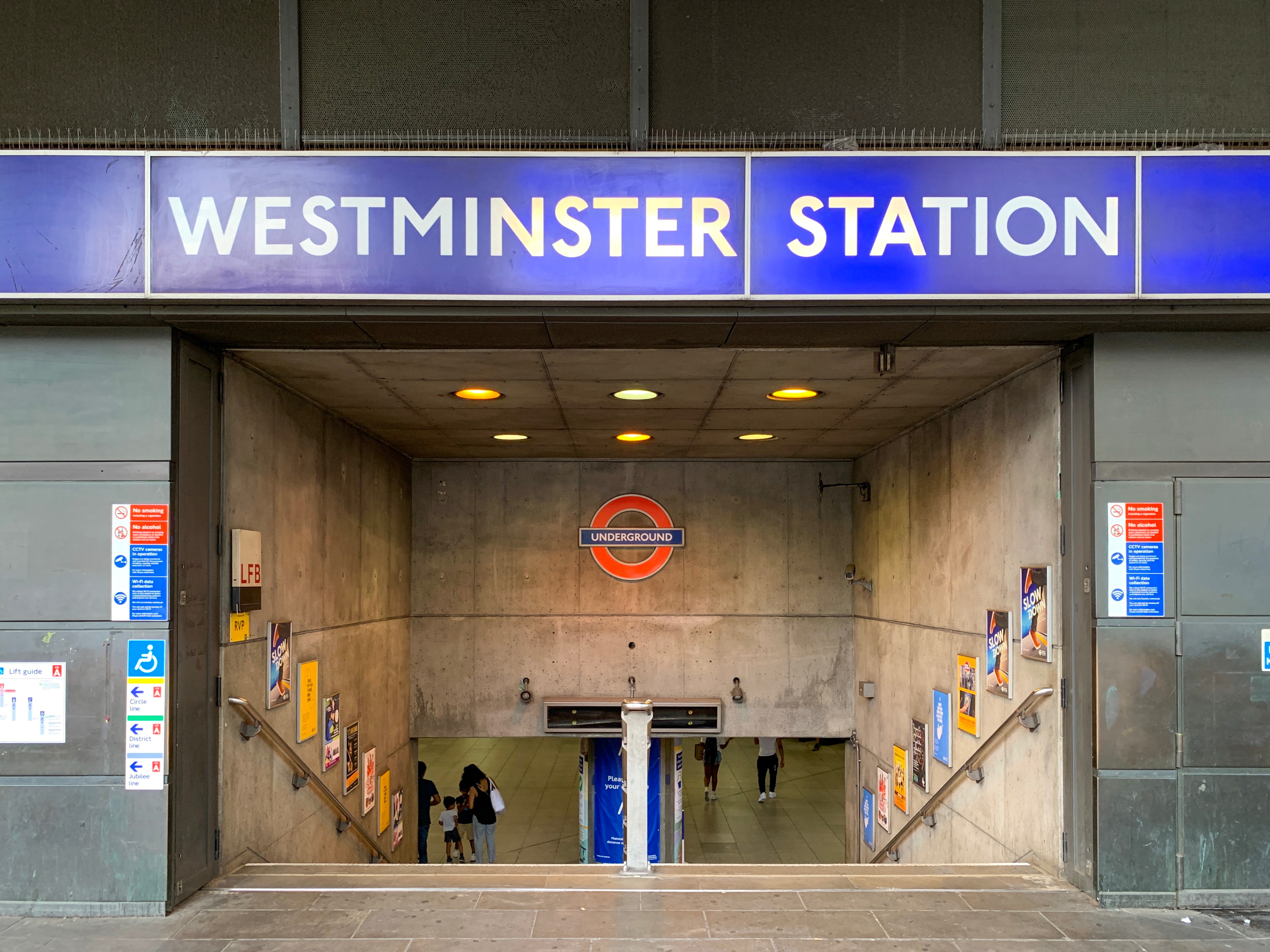
- b) In small towns, like northern Romania’s Gura Humorului town, it doesn’t make much difference — everything is close
OTOH, other hostel factors & amenities may be more important to you than location (homestay in authentic monastery) or transport costs.
Anecdote: I often take a slow city bus from airport into a new city from airport so I can begin to acclimate to the new culture I am driving thru. Today, of course, you can track your Uber on a smartphone app from a taxi’s backseat. If nothing else it reassures me that all is normal.
Anecdote:: Pont de Gaume:
Anecdote: Beijing, Japan, any major city’s.
- c. Peaceful: Ironically most lodging interiors offer a refuge ‘Far from the maddening crowd.’
Anecdote: Cusco: quiet neighborhood uphill from main square
- d. Remote areas may have very few & basic options: on parts of Hadrian’s Wall, UK walk, Lijiashan, China or Camino de Santiago, Spain trek, there may be
few lodgings of any sort, including hostels, so you take what you can get.
Anecdote:
- Lijiashan, China &
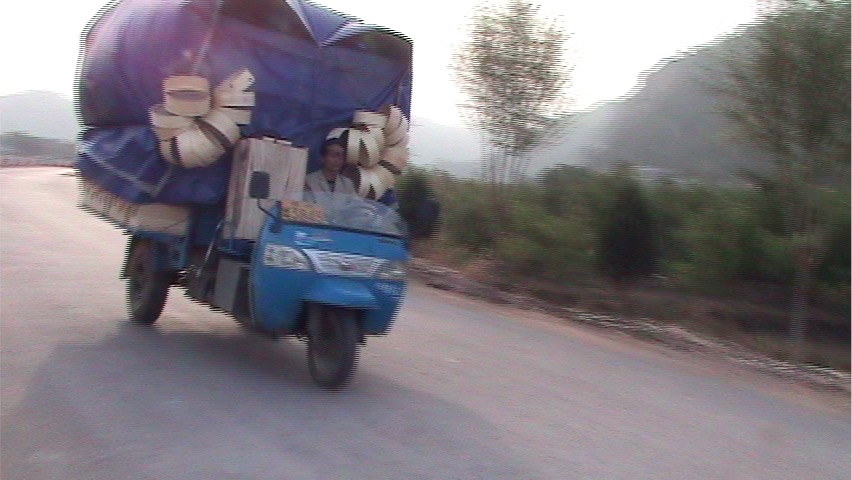
- Brajchino, S Macedonia village
- e. Ambience:
- Farm stays,
Anecdote: Hadrian’s Wall trek across North England.
- Monastery:
- 2. Sleeping: 3-6 our more bed dorms, ideally with single room back up; better mattresses,
- a. Background: Lower Cost of room & bath construction:
A hostel BED is usually less expensive than other lodging forms because:
- 1) Bedrooms: it is far less expensive to build 1 room for 4 people than to construct for 4 separate rooms for 4 individuals.
- 2) Baths: It is also approximately 40-60% less expensive to construct 1 large bathroom with a separate toilet & shower area, each with 10 toilets, 10 sinks & 10 showers individually enclosed in privacy cubicles THAN to build 10 separate full bathrooms.
Grok estimates:
1 Communal Bedroom Room: with 10 Sets of toilets, sinks & showers (most realistic range $80,000–$120,000).
10 full bathrooms: with toilets, sinks & showers (most realistic range $180,000–$250,000)
In fact, these Two factors - a) shared multi-bed sleeping dorms & 2) communal bathrooms actually define & distinguish “hostels” from B&Bs, hotels, etc.
Economy TIPs: The more guests/beds/room the lower the cost/bed. And the night when the train is the hostel costs nothing at all.
Example: Florence , Italy, a Hostelworld hostel: (as of 3/23/26) 4 bed Mixed Dorm Ensuite Standard: $89.96
10 bed Mixed Dorm ensuite Standard: $81:18 Medium tourist hotel:
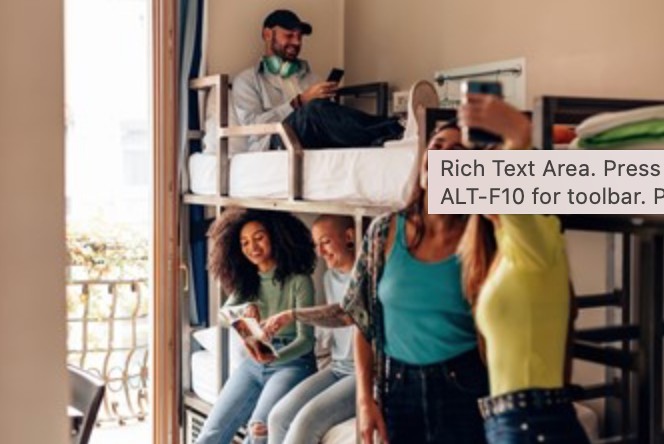
Single: $85–160 USD)
- b. Different price for different dorm or room options
- More beds/room = lower cost & quality room amenities
- Bunk beds: single, double, rarely triple stacked (not sure I have actually seen one)
- c. Dorms:
- 4–8 beds:
- female only, male only, or mixed dorms;
- families, large groups rooms
- Occasionally, 3 levels of 4 bed dorm’s with higher quality, space or price at each level.
Anecdote: I balance my financial means with comfort by choosing the most expensive 4 bed dorm on the assumption that most price conscious folks would usually opt for the least expensive 4 bed dorm often leaving me by myself without booking a more expensive single room. I reduce the risk of a rude snorer & the greater hectic kerfuffle of the 8 >12 bed dorms.
- 10-20 beds: for families, tight budgets, large groups, & overflow
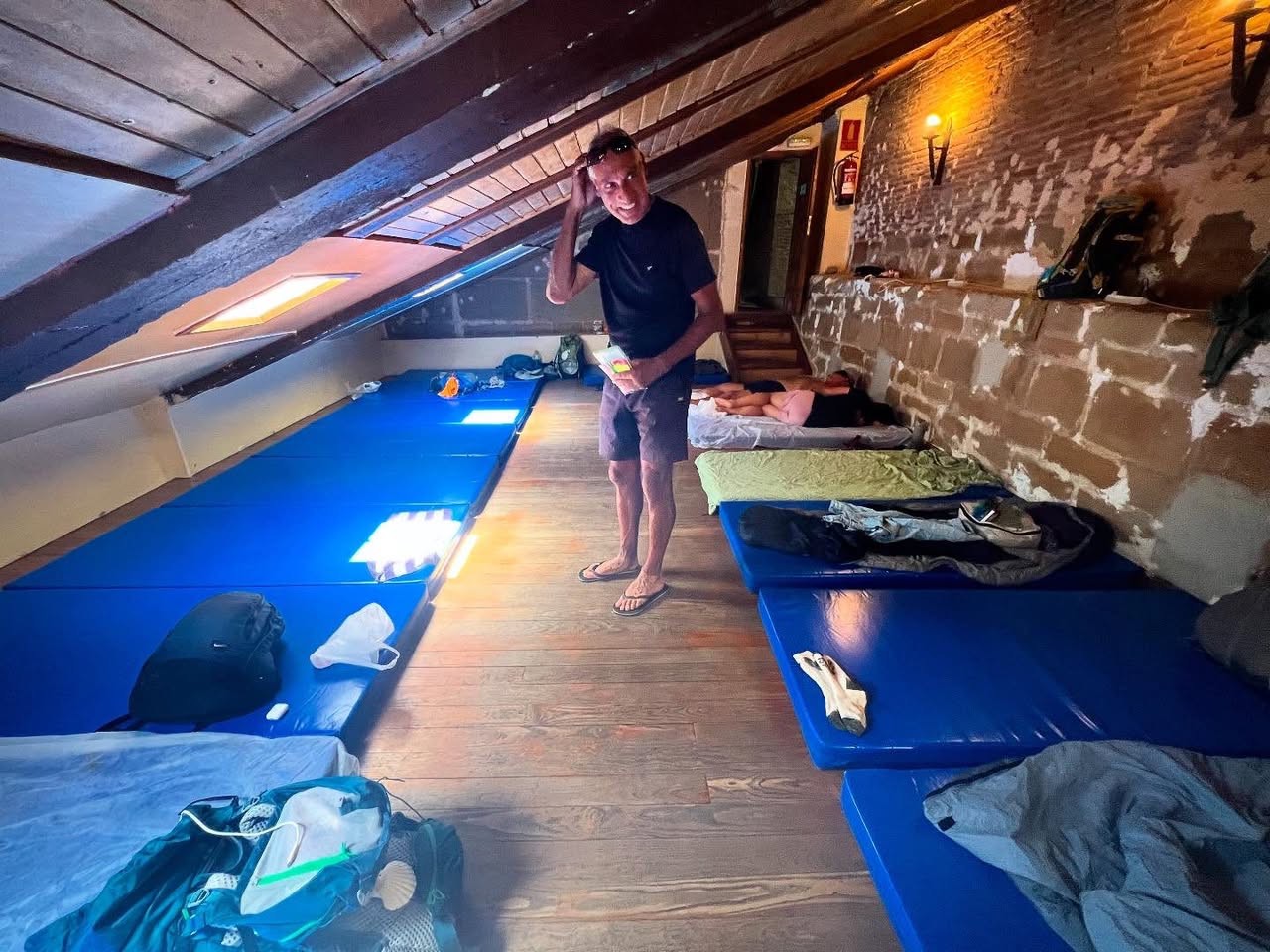
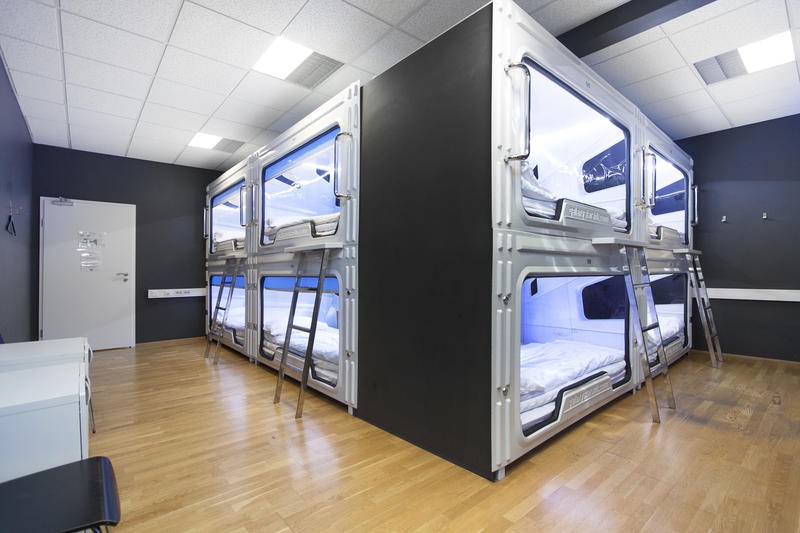
Anecdote: Over-flow ‘attic’: Rare, but once when I had NOT pre-booked a dorm, only space available was in a large city’s hostel’s giant attic, accessible by original steep wood stairway, that had dozens of mattresses lying on the floor for guests during guest overload in peak season. I stayed 1 night until a better dorm bed option arose when someone vacated.
Anecdote: Parroquial San Juan Bautista albergue, Granon, Spain: Is perhaps the most authentic ‘albergue' (parish-run lodging) on the Camino de Santiago. It is IN an old church, with a common ‘pilgrim’s’ dinner meal at long table & then sleeping on mattresses 1 foot apart on the former church’s choir loft’s stone floor ….
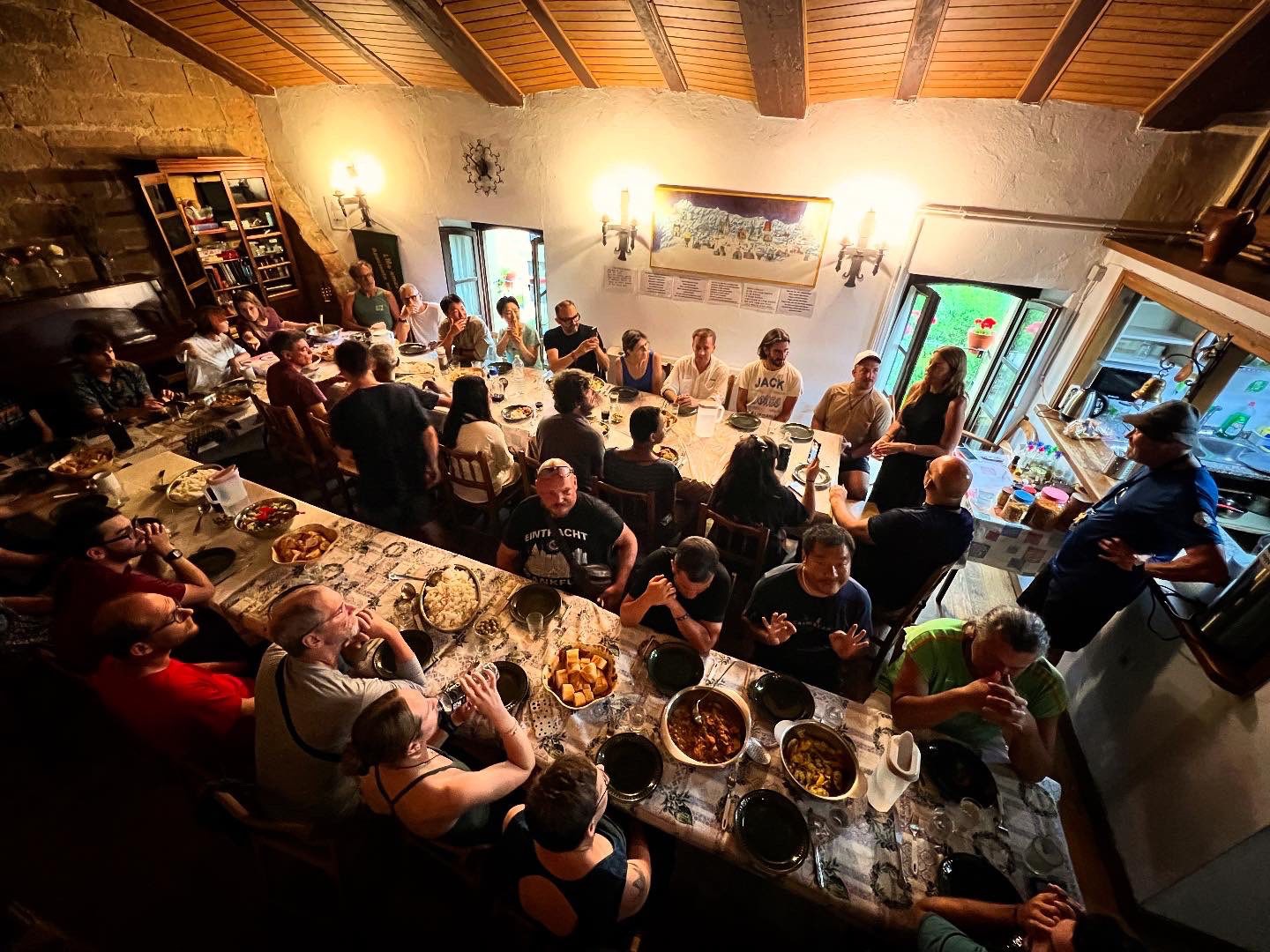
Perhaps an authentic 9th Century Camino practice.
- d. Privates/Singles: single/doubles, twins, or family rooms. In large cities, private
Single room availability has increased because ideal for couples, compete against hotels, or as an escape from boorish snorers.
Anecdote: Tokyo, Japan’s 1 person ‘pod’ with privacy curtain, reading light, 110v/USB receptacles & shelf.
Anecdote: MY Bottom bunk request: Many times I requested a bottom bunk because
climbing into an upper bunk at 70 with a bad back was difficult & dangerous (my knees were bad then also, BUT both later replaced.) They immediately advised they could not guarantee that, BUT they always did it (Thank you!), often leaving a special note for my other roommates to honor my request.
- e. All ages: (except unaccompanied youth or very young)
- f. Bath & shower: ensuite or communal
- g. Power outlets near beds (often with USB ports)
Anecdote Khaosan Tokyo Ninja Hostel: Tokyo: JR Bakurocho Station: A relatively large modern hostel for travelers & others. Various bed arrangements including the novel capsule hostels (or capsule pods) that provides cubicles with privacy curtains, wifi, USB & power outlets and small shelves. Ideal for FIT travelers and others.
- h. Lockers: bring your own lock (my luggage airline cable lock system?)
- i. Bed linen: provided; towel rental (better than backpacking towel I carried); also avoids wet towels in my luggage)
TIP: If I did use my towel & it was wet when I moved on, I usually just strapped it on outside of my daypack until it dried.
- j. Bunk’s Privacy curtains: common in new & mid-price range
- k. Power outlet, reading light at each bunk.
- l. Japanese capsule hotels: enclosed "pods" (like a personal mini-room): outlet, USB charging port, reading light, hook(s) & shelf
Dorm Etiquette: read more →
Hostel travelers share communal dorms, bathrooms, kitchens, and common areas with strangers from different backgrounds, cultures, and schedules, in part, because we enjoy the camaraderie of our fellow travelers.
Inconsiderate, rude behavior directly disturbs & undermines that wonderful hostel camaraderie vibe affecting many people. Knowing how to avoid dorm ‘faux pas’ makes you & everyone happier.
My anti-snorer strategies
Please, read more →to many suggested DOs & DON’Ts. read more →
- 3. Bathroom with hot showers:
- always multiple hot showers: # depends on the size of the hostel.
- always multiple toilets: # depends on the size of the hostel. Anecdotes: Japan’s ….
- 1. One hostel’s super auto bidets. Beware of seat’s temperature.
…2. One Restaurant’s automated bathroom: Enter & light turns on, toilet seat cover rises, adjust temp etc, if you wish. When done , get up AND: toilet lid closes, toilet auto-flushes & light turns off as you leave.
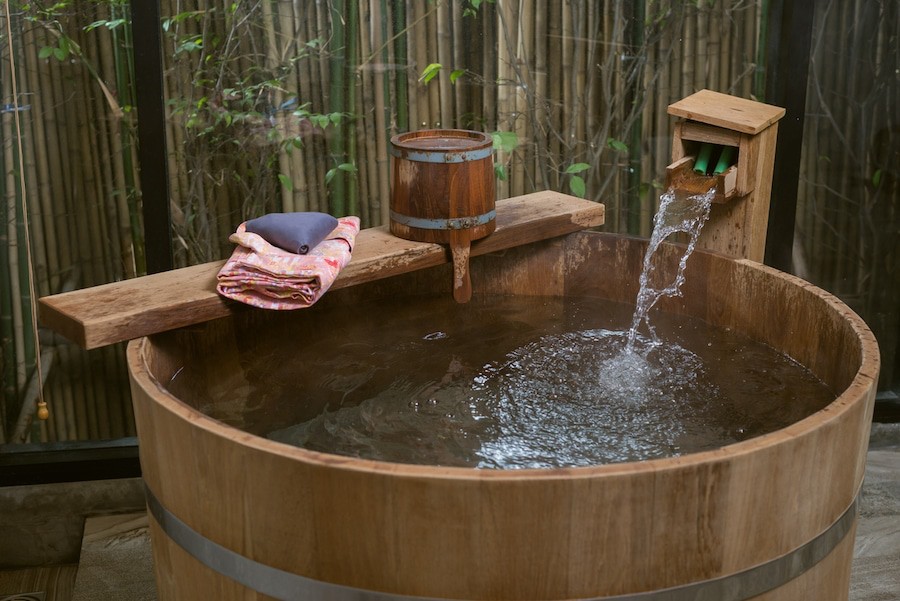
3. One converted authentic wood-slabbed traditional residence hostel’s soak tubs. Too cool!
- Ensuite or Communal Shared bathroom’s toilet & shower stall privacy,
- Seated Toilets (maybe separate from showers); Asian ‘squat’ toilets?
- Toilet paper: I always carried a partial role of US TP on me & 1-2+ rolls in my luggage particularly when in Asia.
- Hairdryers (wall-mounted or reception available)
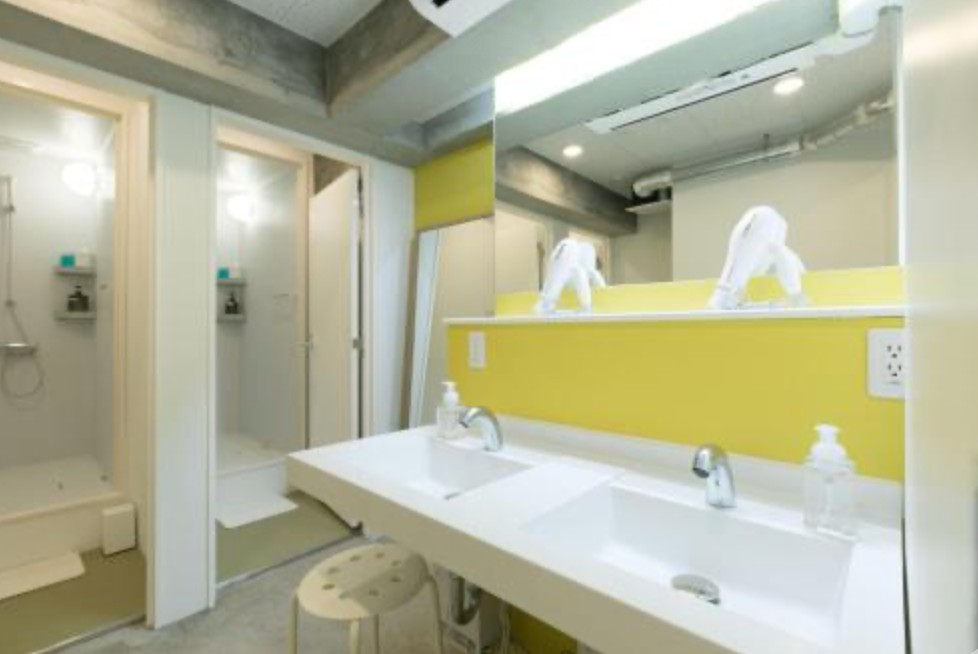
- Hand sanitizer (seldom): I always carried a small bottle looped onto my belt with a full backup bottle in my rolling luggage.
- flip flops: maybe (I always carried a pair)
- sink’s soap dispenser: occasionally, I always carried small hotel soaps
- fresh towels for a fee, if needed.
Anecdotes: I carried my own high absorbency, but thin camping towel, but often opted for hostel’s plush, quality rental towel, drying it in dorm each night.
Bathroom Room Etiquette: read more →
- Sink’s ring of shaving cream & long hair on shower floors ‘ain’t cool.”
4. Kitchen & Dining:
How important?
Necessity for me if I’m staying several days because I like to buy groceries in public markets during my daily walkabout, then cook, eat, chat & relax.
Less Important for me, if plenty of restaurants nearby.
Anecdote: Florence, Italy pizza: I discovered a tasty pizza shop & ate there almost every night;
Anecdote: Khajuraho, India: I ate in a good restaurant my 1st night, but while looking down from my 2nd floor perch at a street food vendor surrounded by customers. I got lunch here next day & it was so good, I ate lunch & dinners there from then on & then sat on nearby public benches and talked with the old men.
UNnecessary at remote lodgings because owner anticipates & provides meals, unless you are actually wilderness camping.
Anecdote: Sandysikes B&B Bunkhouse farm stay: On Hadrian’s Wall trek across N England hosts provided lovely family style dinner in authentic English estate ranch home.
At another seemingly remote farm stay we ordered in pizza from a nearby town. It always works out.
- & Fully equipped: Most hostel kitchens are adequately supplied with necessities that guest frequently need to use:
- Refrigerator for common storage:
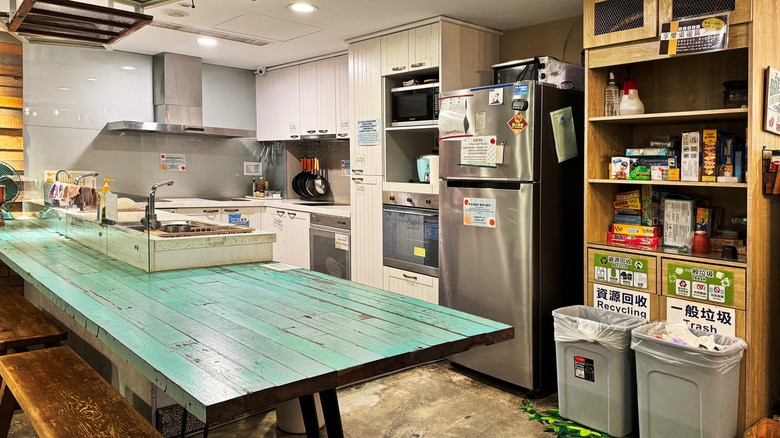
- a) often food is dated & soon purged
- b) multi refrigerators in larger hostels
- c) can’t recall anyone stealing my stuff.
- stove, microwave, occasional dishwasher, kettle, toaster,
- pots, fry pans, eating & drinking utensils
- dish soap, sponges & kitchen towels
Anecdote: dull kitchen knives: My Sofia, Bulgaria hostel was my 1st choice, but its kitchen knives were so dull they were difficult to use, if not dangerous. (I used to sell Cutco Cutlery when I was in college).
My quick solution was to sharpen the knife on the stone wall outside the kitchen. Primitive, but it worked. Thereafter, I carried a small (1”x 3” x1/4”) sharpening stone. I also carried a tiny survival can opener just in case.
TIP: I always carried 1 -2 dried soup or dinner pans with me just in case. Never used.
- & Breakfast included: often, simple toast, jelly, milk & cereal OR full blown pay-for…
- & Shared/self-catering kitchen: (great people mixer & cost saver) Fully equipped kitchen, verified by Guest Reviews, were a critical factor for me because I frequently shopped the large markets for their inexpensive ingredients for dinner that I cooked each night in my hostel’s kitchen before sitting down to chat with others.
My dinners, affectionately known as Scott’s gut bombs, not only did they provide heavy carb and volume replacement for the energy I burned off during the day, but saved money not spent in restaurants frequently, which I also did.

Cooking each night in the hostel’s bustling kitchen is a fun social experience naturally mixing you and your fellow FIT travelers in that shared human activity enhancing camaraderie as you eat together sharing travel stories.
Occasionally sharing cultural cooking tips:.
Anecdote: Hostel Revolution, Quito : French fella taught me how to use thick cream to enhance my pasta ‘gut bombs.
Note: Hostels are littered with these kinds of interactions and at all levels in all contexts because you're in such proximity. Also, asking questions of someone else about what they're doing or how they would do it in their culture is a great icebreaker. I do that naturally, but anyone can with a modicum of courage.
- Breakfast included: often, simple toast, jelly, milk & cereal OR full blown pay-for…
- "free food shelf" for leftovers.
- Free tea/coffee; standard: usually salt & pepper, etc.
- Dining area near kitchen/common space (great people mixer)
- Vending snack/drink machines
NOTEs:
- 1) Some hostels may offer excellent priced or free, breakfast. Seldom, but occasionally, other meals.
- 2) Cooking your meals in-hostel saves you money, great alternative to eating out too often & creates surplus $ for your further travels.
Etiquette: sub-pilar read more →
Clean up after yourself, please. Just like your Mom taught you!
- 5. Price: Price is obviously important to FIT Travelers. It is the single summary rating of the total subjective value of your room/bed choice and all of the hostel's other features & amenities that are most important to you.
Price IS ALWAYS balanced against your relative value of location, sleeping, bathroom and kitchen factors.
Anecdote: Grotte de Font de Gaume, Les Eyries, France: Here I stayed in MY most expensive foreign lodgings, a hotel’s 1st floor single room with direct access to a lovely flowered landscape and a full, elegant breakfast buffet. Certainly not my usual FIT travel lodging.
I did so because nearby Grotte de Font de Gaume was/is one of last caves with original polychrome (multi-color) ancient rock art paintings open to we public. I desperately wanted to experience that art before the cave was closed like so many others. My hotel room was close enough that I could walk to Grotte de Font de Gaume.
NOTE: Real Price Examples: Prices fluctuate based on seasonal demand & proximity to popular tourist sites, areas & transport
(Grok:. These prices are the least expensive, non-refundable (2/5/26)
indicative of lows/averages from recent non-refundable listings.)
From Grok 02/04/2026) Paris: (priciest of major cities):
Medium-quality hotel single room: $90-$130
(but frequently higher due to demand).
4 bed Hostel dorm bed: $25-$30 (4 bed dorms: $25–$30 in central areas).
Hostel single/private room: $50–$90
(En suite - higher).
Beijing :
Medium-quality hotel single room: $37–$80
Hostel dorm bed: $7–$5
(average around $25; very budget-friendly with many under $30).
Hostel single/private room: $25–$35
(average around $40; good options from $25–$50 in central areas).
Newcastle upon Tyne (UK):
Medium-quality hotel single room: $50–$100
Hostel dorm bed: $15–$25 .
Hostel single/private room: $50–$70 (rare)
Anecdote: Circus City Hostel, Athens: Perhaps more expensive than many, but once there, the price became even more justifiable: secure entry, food bar in common area, & friendly , helpful staff. I stayed here on & off for several weeks as I moved around Greece. It had just been very thoughtfully designed & built, including under construction bar & cafe (beautifully done now). It was excellent in all ways.
I chose it in part for its location near Monastiraki Square, central to neighborhoods I sought, including my trek up to the Acropolis AND for its 4 bed dorm price. I have often thought of the interesting travelers & staff I met there.
My YouTube Channel’s Greece Playlist:” https://www.youtube.com/watch?
E. List of Additional Hostel Features & Amenities:
Once you have evaluated the above “Five Must Have Hostel Features & Amenities”, let’s evaluate the remaining features & amenities important to you.
It will be easier later on in your hostel search, if you keep an informal list of the amenities important to you, if available at a reasonable price, of course.
- 1. Staff:
- Usually bi-lingual including English, world’s lingua franca,
- Often a FIT traveler who works & lives in the hostel,
- May be well traveled locally & abroad.
- Probably local knowledgable on unique site & activities, fees, cheap transport options
- Probably knows the inexpensive transport options including private-for-day hires, Anecdote
- Excellent local knowledge of least expensive (local’s cafes, grocery stores, restaurants, currency exchanges, etc), almost a concierge.
- Problem solvers: they may have seen it all.
Anecdote: Delhi Hostel: helped me get currency exchange.
- 2. Common Room’s Camaraderie: ‘Hostels are a world within a world’
Most hostel guests, including you & I, spend our travel days often ieuphoricly immersed in of our host culture, yet ironically we are socially isolated from that host culture by our obvious tourist status and lack of the local language.
OTOH, our hostel is a world within a world, a refuge enclave of we foreigners, yet like-minded souls, of all ages, both sexes, and of a variety of world’s cultures who usually speak a modicum of English and have similar travel attitudes & goals. Hostel staff are often fellow travelers, working their way around Europe, S America or Asia, their ‘local knowledge’ …. a real boon.
A hostel can be our cultural refuge where we can share experiences, seek advice, make new, maybe lifelong friends, even travel partners, or, a reassuring environment to restore our normal human connections.
Anecdote: Sally: My friend and former crew on the super wealthy’s yachts, frequently meets someone new in a hostel and travels with her on that trip and future trips.
Anecdote: Switzerland Hostel: Packed with S Korea’s friendly young college students. Actually they did not engage. Just courtesy.
Anecdote: Beijing, hoste: long evening discussion with teacher about teaching.
Anecdote: Circus City Hostel, Athens: Finnish high school class & teacher willing to chat.
All hostel spaces, except single rooms, are essentially common areas: dorm rooms, kitchen, common area, sun deck are communal spaces, even the laundry room where you will ‘bump’ into other guests quite naturally.
You might even end up with travel partners or lifelong friends.
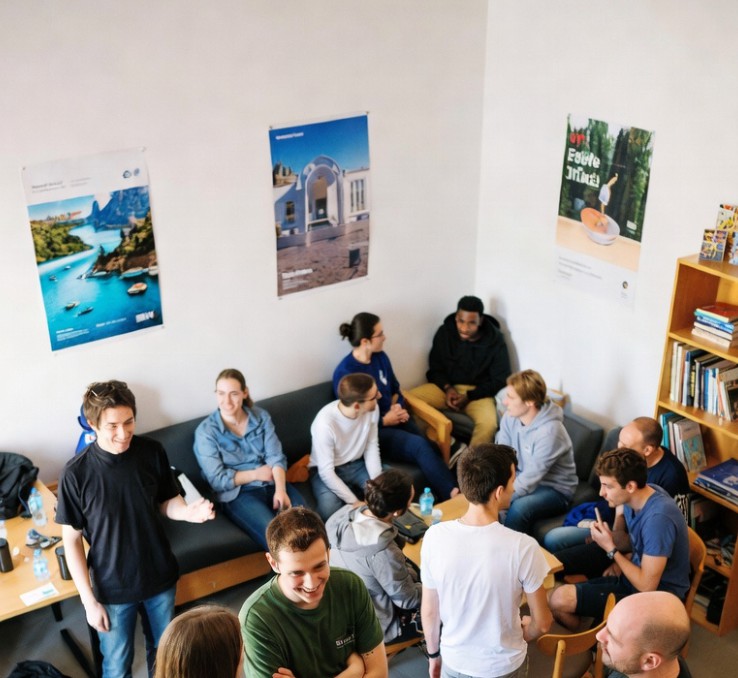
Hostel staff are often friendly, English-speaking locals or longterm FIT travelers familiar with their hostel town.
The Kitchen is often a fun filled chaotic dance & chit chat between you & the other guests around the stove, microwave, fridge and sink ,
each cooking away, then, ..eventually settling down together in the common dinning area to replenish your active bodies and bond together sharing the day’s stories, your travel adventurers, and everyone’s useful travel tips.
Common rooms: After dinner, you may relax in the common area(s) until you & your new friends leave the
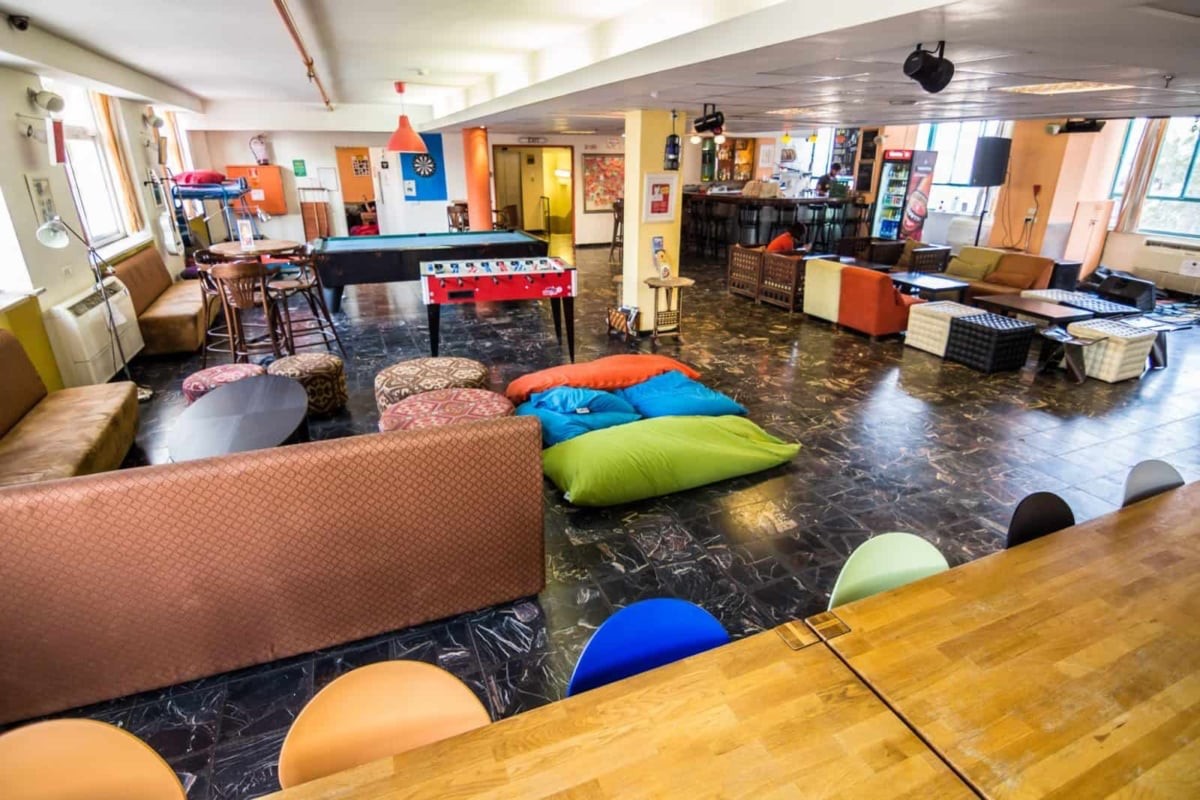
hostel to probe the exotic night markets or make a pub crawl
- sofas, bean bags, tables: social heart of hostel
- cooking classes,
- movie nights, TV.
- Games (table foosball, board games, darts, sometimes video games)
- Special Events: movie nights, cooking classes, day tours, etc.
- Comfortable chairs & sofas, perhaps a card table etc.
- Small ‘free book exchange” library and Travel Guidebooks
- Outdoor terrace, garden, courtyard, or rooftop area (especially in warmer climates)
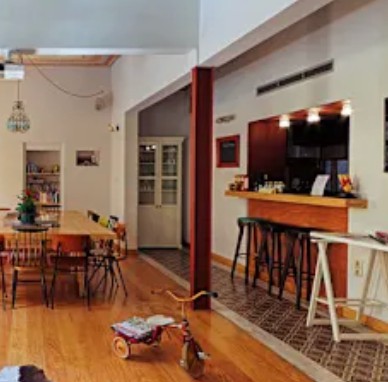
- Cafe bar: all day (City Circus Hostel, Athens)
- Bar or cheap evening drinks (on-site bar or happy hour)
- Night Club: (City Circus Hostel, Athens)
Anecdote: Tallinn, Estonia: My Tallinn's 1st ratty-hostel included a nightly live rock music bar literally down the hall which made early sleep nearly impossible. Other facilities were marginal at best. I moved the next day to a superb hostel (Wait for it! … for the same price)
- 3. Safety & Security: a variety of safety options —-
- Exterior door keys or buzzer control, entry desks & room keys.
- 24-hour reception (or at least long hours)
- Main desk’s Security safes: for passports, money etc
- Hostel staff & traveler’s usually roaming hostel adds safety.
- In-room lockers for each bed. Travelers should carry a tiny TSA lock that fits even small locker holes.
Anecdote: My modified Osprey daypack & rolling luggage’s airline cables
- Longterm Luggage storage:
ideal for multi-night day-trips with day pack only)
- Never charged (hostel’s sickness: means you’re returning for at least 1 more night
- Variable security: from just a space under the stairs near reception. to what is more normal, a locked & staff or key controlled storage room with varying protocols for access
Anecdote: In southern Romania: I made a 5 day loop north from Bucharest thru Sinaia, to Brasov, then to Sighisora, then to Sibiu, & then back to Bucharest, all with just my day pack. My main bag stayed in Bucharest hostel’s longterm storage.
Anecdote: Quito, Ecuador, Hostel Revolution: For one multi-overnight side trip, I paid for my bed so I could preserve my bed’s location (bottom bunk near window), keep main bag locked in my room’s locker AND because price not that great for the added convenience.
Anecdote: Athen’s City Circus Hostel’s longterm storage: hostel was my base for several multi-day side trips & day trips to other Greek cities & sites with my day pack only. Rolling luggage stored safely in hostel’s locked longterm storage room. Access by staff only.
Anecdote: My modified Osprey daypack & rolling luggage’s airline cables
Safety & Security Etiquette: Hostel Etiquette read more →
- 4. A/C or heat: (availability varies greatly by region and season) Most hostel have a very acceptable interior temperature or Guest Reviews would admonish them.
- A/C: Often, in typically hot climates including southern Europe, S America, Asia.
- Single room: usually, but often for a nightly fee,
- Usually, also a free ceiling fan or equivalent.
Anecdote: Bangkok, Thailand hostel: Brutally hot, with 66% humidity, my lodging offered both A/C (for fee) or free ceiling fan. I avoided A/C because it dries out my nasal passages, thus I opt for a ceiling fan.
TIP: From boyhood, living in my finished off attic room with no A/C, I would get a bath towel sopping wet and lay it over my torso as I lay on my back in bed. The towel’s evaporation cooled me. Doing the same UNDER a ceiling fan does the same more effectively.
Anecdote: Alice Springs, Australia hostel: In Alice Spring’s sweltering heat my 6 bed dorm with A/C, the guy closest to it kept turning it off in the night. Go figure!!! I kept getting up and turning it back on. The battle raged on. Never did figure that one out.
- Heat: Often, in typically cold climates including southern Europe, S America, but honestly, I seldom traveled in real cold climates, except Antarctica by ship & well dressed for it.
- Provided usually, if cold climate & when weather was cold or requested.
Anecdote: small , China traditional house hostel: this traditional thin wood-slab house was very cold on fall night, but provided electric blankets which were ideal.
Anecdote: Cusco hostel, with 4” gap ll around the ceiling open to the exterior was always cold. Warmest places were in the shower or bed or fully dressed walking about. No heaters because very expensive electric power was piped 350+ miles in from Lima
Etiquette:
Anecdote: Alice Springs Hostel, Austrailan
Anecdote: CdeS: Hostel house: bedroom kept closing the window.
- 5. Access:
Most hostel use a key or key card for access & security, OR reception counter has a clear view of those entering.
If on upper floors: (Often less expensive hostels)
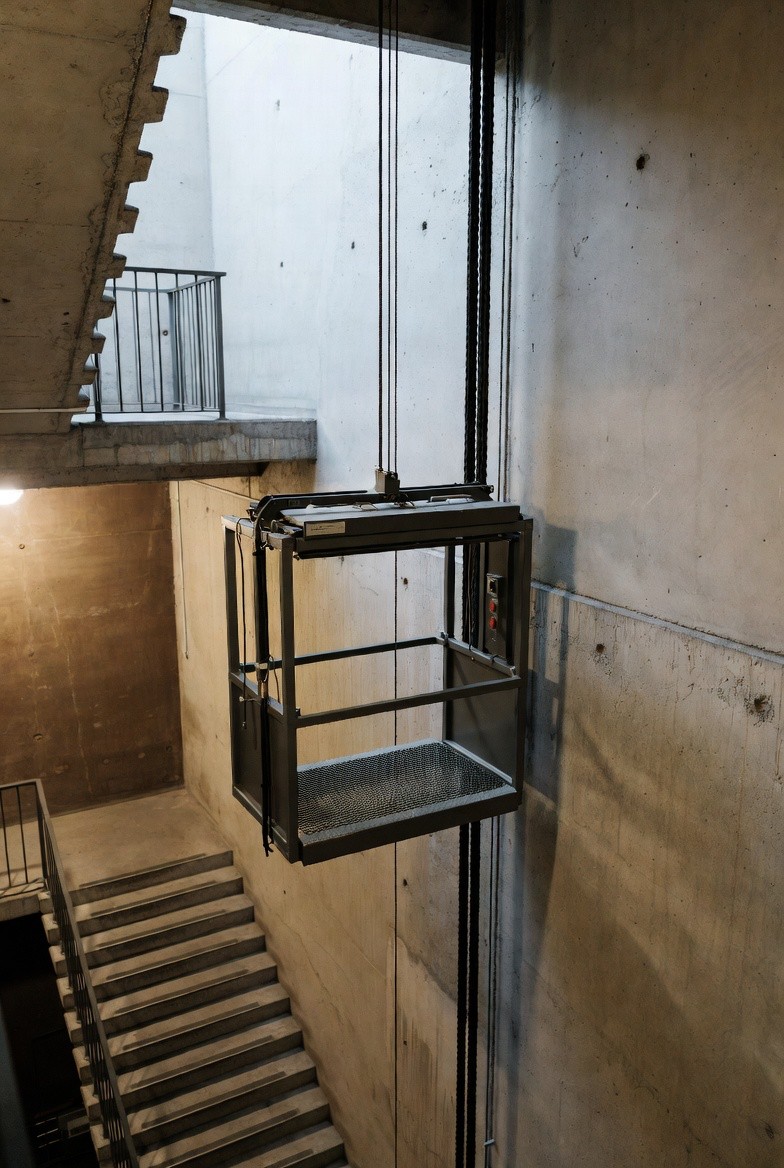
- Elevators or baggage lift capability ————————→
- Young staff usually happy to help carry bag.
Anecdote: My Kraków, Poland’s (???) 1st Hostel choice was several floors without an elevator. So, before booking, I emailed the hostel indicating that at 70+ with a bad back, it was difficult to carry my bag up several flights of stairs. They graciously volunteered to do so when I arrived. So, my on-duty desk staff grabbed one end, and I the other. The young guys just threw my bag over their shoulder and shot up the stairs.
- 6. Laundry facilities
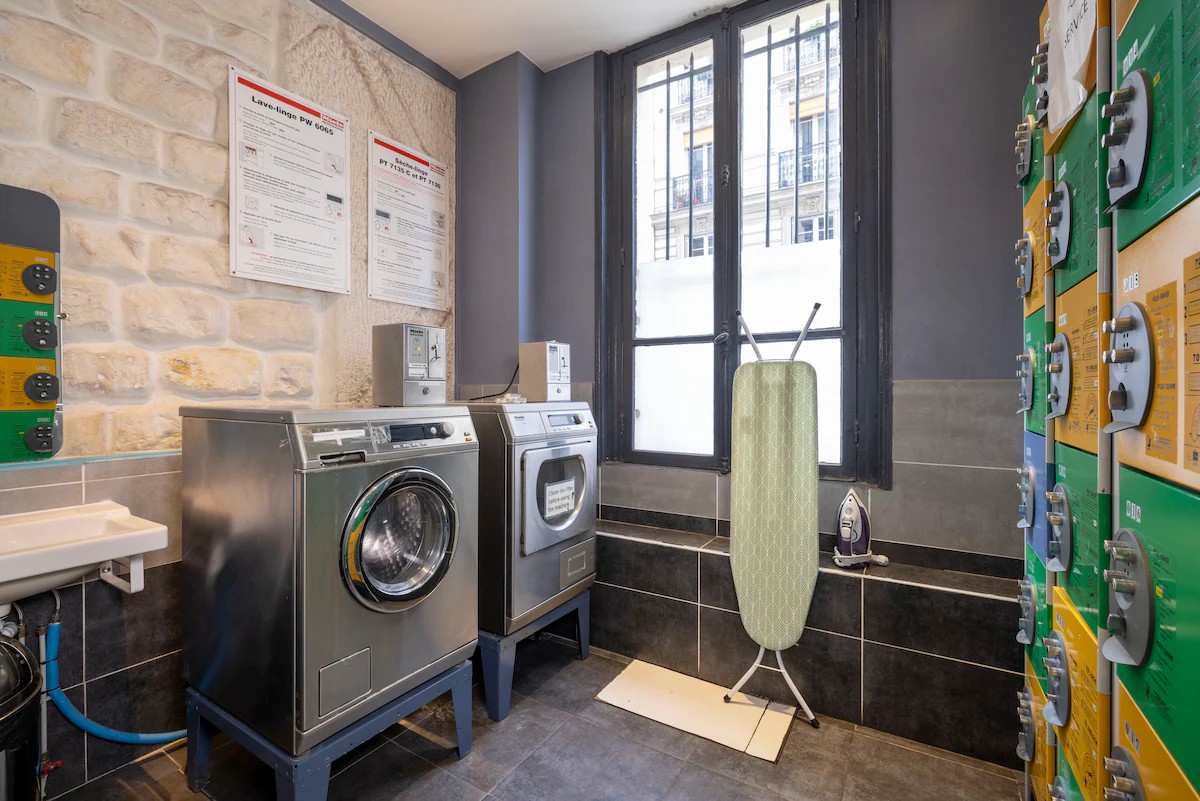
- Washing machines & dryers
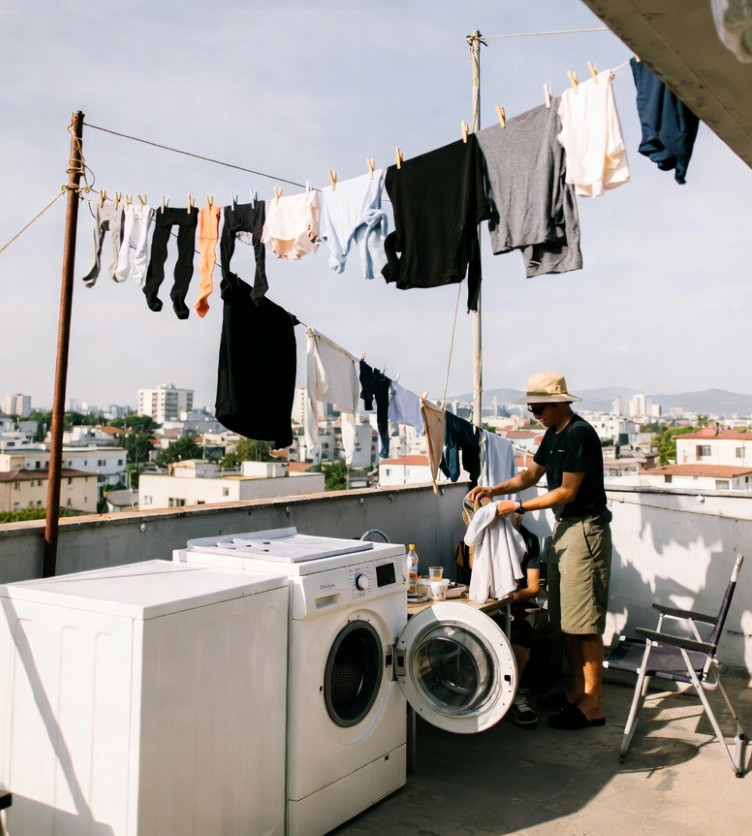
- Dedicated roof or balcony clothes line (in hot climates)
Local laundry ladies particularly in Asia and small towns
- Irons & Ironing boards
- Folding tables.
- laundry: washer, often dryers, b often (Asia) laundry service offered by locals)
- Sinks for hand-washing delicates or soaking.
- Drying racks (outdoor lines in sunny hostels).
Etiquette: read more →
Cleanliness, of course.
Anecdote: My laundry practice:
- 7. Internet Connectivity & Practical Services
- Wifi (free, of course) speed varies widely, but Starlink’s a universal solution
- Good Internet connectivity at bunks & common area etc.
- Power outlets near beds (often with USB ports)
Anecdote Khaosan Tokyo Ninja Hostel: Tokyo: JR Bakurocho Station: A relatively large modern hostel for travelers & others. Various bed arrangements including the novel capsule hostels (or capsule pods) that provides cubicles with privacy curtains, good wifi, USB & power outlets and small shelves. Ideal for FIT travelers and others.
- 8. Travel Desk: Booking assistance: day tours, travel info, city walking tours, shared day trips; specialty guided tours; private guides & transport.
Anecdote: Siem Reap hostel clerk’s driver-hire friend

- 9. Currency exchange: occasionally, in a pinch, but usually not, because, formally or informally, hostels are NOT designed to be a bank. Usually less costly to use a legitimate Currency Exchange (e.g Travelex or banks).
- 10. Age Limits: All, … except the very young & unaccompanied; gov’t regs. Hostels, may or may not be less expensive than middle to low end hotels, BUT the cost benefits/savings are in a hostel’s amenities that hotels either lack of charge extra for.
Benefits:
Location: site central &/or near metro stations & sites =s low transport costs
Full kitchen: Cook own meals, prepare kids daily snacks (save $50–100/day)
Flexibility: Good for long stays; some have private en suite family rooms.
Free or low-cost extras: basic breakfast cereal & toast, , laundry, Wi-Fi, games, & social areas, free tours, bike rentals, or local discounts.
Social & fun atmosphere: bunk beds ‘funner’, game rooms, pool tables,, relaxed vibe & children tolerant guests (maybe) if reasonable behavior.
Community feel: staff & travelers share tips; offer family-friendly activities.
Monies Saved: used for more travel sites & experiences, treats.
Possible Negatives-:
Noise & sleep: late-night party vibes, activity, thin walls; research "family-friendly" or HI/YHA hostels
Anecdote: Tallinn, Estonia: 1st hostels built in rock band bar. Quickly changed.
Less privacy & space: if share bathrooms only, not ideal for kid’s quiet routines or naptime.
Fewer amenities: Maybe, no daily maid service, pools, cafes, kid gear or cribs. Logistics: req’d child gear, shared adult area’s safety, & rules (e.g., kids usually must stay with parents in private rooms).
Best approach: Search "family rooms" or "private family" on Hostelworld/ Booking.com, search ‘kid mentioned’ reviews, Compare total nightly rate + estimated food savings. Test it for 2–3 nights on your next trip. Hybrid-Hostels may actively welcome families with private options. A fun, money-smart choice if it fits your family's style.
- 11. Parking & bike storage:
- Vehicles: A few may, but limited, so reserve if you can.
- Motorbikes & bicycles: probably buy confirm before booking.
- IV. WHEN to book your hostel? 2 options:
- A. MY Pre-booking:
Generally & Historically my choice depended:
- 1) present apparent room demand based on Hostelworld’s room availability
- 2) National or regional holidays: Chinese New Years, Xmas, Easter’s Spring school break really clog up hostel availability well in advance, … otherwise ….
- 1. International Flight’s 1st Night’s Pre-booking: Arrival: 1st couple of nights.
When I 1st arrive in my host country from USA, I have already pre-booked my 1st couple of nights so … I can recover from many hours of tiring flight travel-, reduce any anxiety & more easily acclimate.
Anecdote: Quito:
Always book your 1 or 2 1st hostel nights after a long transit from home country or between well separated countries. You can usually switch to another hostel later.
OTOH, I seldom book in advance, if I don’t have to so I can maximize travel flexibility.
Anecdote: Innsbruck to Salzburg, Austria: In Innsbruck, I discovered so many things I wanted to do & see that I purposely did NOT pre-book my Salzburg hostel, so I could have more flexibility in Innsbruck. It is always a risk that I won’t find my IDEAL hostel, BUT I ALWAYS find a hostel. I can move later, but I seldom do because I am travel to see & do, NOT camp out in a hostel.
Anecdote: Tucson, USA to Sarajevo, Bosnia- Herzegovina: After an 18-24 hr transit (I don’t recall precisely) I am jet lagged & wasted when my pre-booked Hostel Massimo’s driver picks me up after my 12:15pm airport arrival, whisks me to check in,& I finally plop into bed and sleep for several hours. I am usually so excited when I arrive on a new trip, that my jet lag is just a nagging pull at my enthusiasm. There, but ignored. I stayed for several days.
*
Anecdote: USA > Beijing > Yangon, Myanmar: I arrived at Yangon Airport shortly after midnight after an
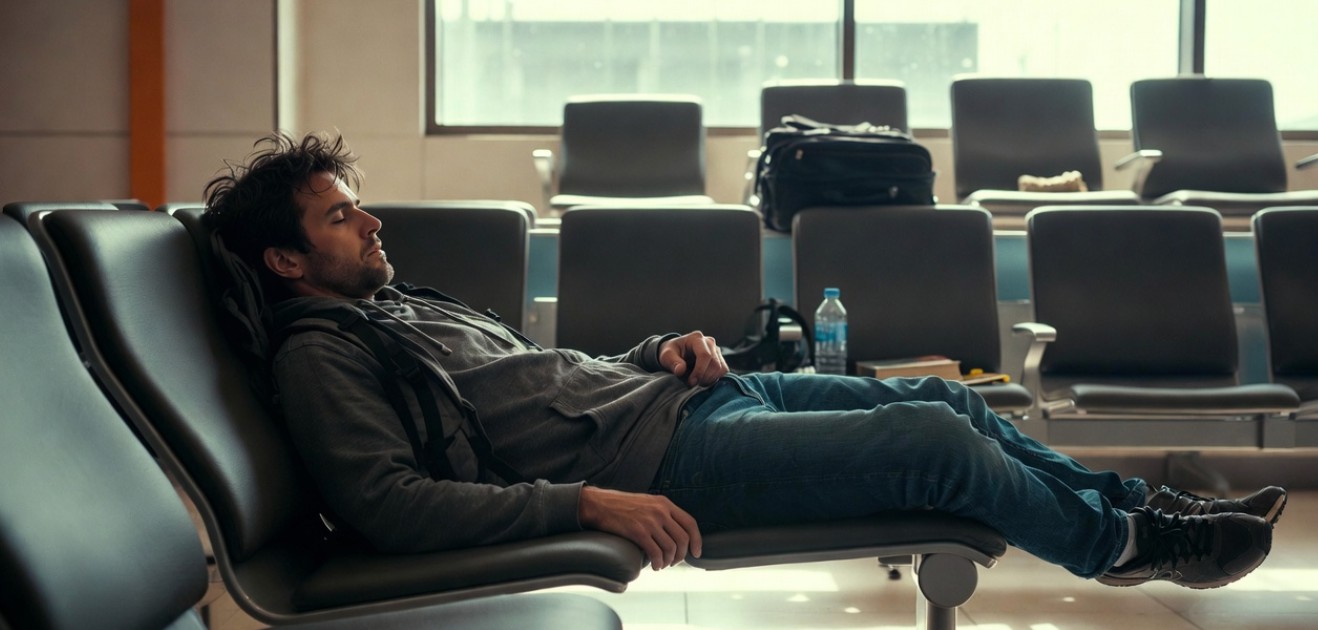
approximately 30 to 32 hr transit from Salt Lake City, USA with layovers in Los Angeles, San Francisco & Beijing to Yangon, Mandalay, (napping on airport benches) Quick taxi to hostel, check in & straight to bed in my single room before my next day’s 1st self-guided walking tour around Yangon. Stayed at hostel several nights.*
* NOTE: Remember, I deeply research all hostel options BEFORE I leave USA so my pre-booked hostels are probably already at the top of my list.
OTOH,
Anecdote: My Friend Sally: … is a Long time foreign traveler who often grabs a country’s guidebook, books a flight and arrives with no pre-booked room, . Sometime late at night.…
Note.: I lack that cavalier courage. Your call.
- 2. Flights Between distant countries or cities:
Moving between countries or cities is usually a shorter, less stressful travel day with minimal cultural adjustment than trans oceanic flight days.
In their respective regions, European, Asian or South American countries are similar except for language, but airport, etc. transport infrastructure recognizes this often with signs in English.
TIP: Key Hostel Info:
Before smart phones, I always carried hard copies of hostels address & a map to show taxi drivers my destination. Later I carried same info in hard form & in smartphone.
- 1) Confirmation number, address, phone number, and contact info, if any.
TIP: Store hostel’s Google Map’s pinpoint in cell phone.
- 2) Backup list of 3>4 additional hostels that I had already screened & with contact info in case I choose to change hostels.
Note 1: Tuk tuk, Uber & taxi drivers are often poorly paid, exploited immigrants or from the countryside with marginal knowledge of city.
Anecdote: Bangkok, Thailand: non-English speaking tuk tuk driver assured me he knew where I wanted to go, but on arrival I indicated ‘No” and he suddenly realized it was AT the ‘other’ place I was going. We eventually got there. No big deal. Just another mini-adventure.
Note 2: I often take a slow bus into a new city from airport so I can begin to acclimate to the new culture I am driving thru. Your pre-trip research may include obvious landmarks that will reassure your route. Today of course you can track your Uber on a smartphone app from taxi’s backseat. If nothing else it reassures me that all is normal.
Note 3: If my destination arrival time was critical to me, I pre-booked to insure I would be on schedule.
- 3. When high hostel demand:
Hostel demand can be high for several reasons:
- a) increased number of overall travelers
Est. World Growth Rate: 6–11% range, CAGR
(Compound Annual Growth Rate):
USD $5–7 billion in mid-2020s projected to USD 11–15+ bill by 2030–2035.
- b) availability of hostels depends on traveler demand & construction costs.
Anecdote: Lijiashan Village cave house village: 2, maybe 3 homestay/ farmstays, basic but immersive—think sleeping on a kang,
Anecdote: Circus City Hostel, Athens
Anecdote: Camino de Santiago: Long held tradition: There will always be a bed for a CdeS ‘pilgrims’ . In fact, I don't recall a town or village that did not have even at least 1 abode, and towns were one after the other.
Often, if starting to get tired, I hiked until the next little town & decide then whether to go to next little town. Easy peasy.
- c) moment to moment availability of various dorms & room options
Closely monitor your choice hostels on booking platforms (hostel.com) for other’s pre-booked, late minute cancellations, which may be your late minute booking opportunity. Rewmeber, closer to desired date, faster rooms fill.
- d) travel’s ‘high seasons’: tourist packed Eurecsummers & China’s Lunar
In China I had to accept a 12 room bed dorm, for 1 night until a 4 bed dorm opened up; I paid for it even when mlii-overnight side trips so I would not use it.
- e) travel’s ’shoulder seasons’: Fall & Spring: fewer people, variable weather.
Honestly, I can’t remember scheduling a trip based on region’s weather or holiday seasons. Rather, I based my travel dates on MY desired travel time. If winter, I travel to Southern hemisphere, if summer, I traveled in northern hemisphere (except for Antarctica.)
- f) holiday season: Lunar New Year, China's "Golden Weeks", Christmas, etc) Official public holiday (Feb 15- Feb 23) wraps Chinese New Year (Lunar
New Year, aka Chūn Jié in) ( Jan 21-Feb 20), in turn wrapped by informal travel rush extending (Feb 2-Mar 13 for family visits, vacations, and returns to work/school So, in sum, ~ 40 days.
Strategy: go to more remote, small towns etc.
- g) Student’s Spring, Xmas & summer breaks: Book early
Anecdote: Somewhere in China: Not realizing that China’s New Years time was imminent (duh!), I found myself scrambling for a dorm bed. 1st, I got a less desired 8 bed dorm, 2nd, had to switch next day to less desired hostel & an equally large dorm bed, until 3rd, next day I switched back to my 4 bed dorm in my original desired hostel. A little chaotic, but it did not sidetracked my days travels. Just a glitch!
- h) High Schools Students (17–18) start Gap year: summer & fall starts
B. ‘Wing it’ or “Take my chances” Strategy:
- 1. If worried, ALWAYS pre-book early,
- 2. MY Overnight Bunk Protection Strategy: If a practical value to you, or self indulgent (me), …. pay for bed when absent protecting your dorm & bed location & rolling luggage etc stored in your personal dorm locker.
Anecdote: Hostel Revolution, Quito, Ecuador: Once I had my preferred dorm and bed, I paid for it even when I was gone for several days at the time … just so I would not lose those perks. Self-indulgence? Perhaps, but convenient & reassuring.
Anecdote: Camino de Santiago trek: Trekking Camino de Santiago in Spain there were many lodging options in each small village en route each day that I just waited until I arrived. However, as travel dramatically increased, I found it necessary to book earlier and longer to avoid frantic search for same quality lodging.
CAUTION: Travel on the Camino today (2025) may be much more crowded and booking may be required. Beware.
- 3. If NOT worried, …THEN, …play the “wait n’ see’, monitor closely’, and THEN pounce” game, …
Necessary when I wanted flexibility to possibly visit more places where I was, before I traveled on.
- Closer to desired date, usually faster rooms fill
- Constantly monitor your choice hostels on booking platforms (hostel.com).
- Other traveler’s Late minute cancellations at your desired hostel, may offer you a lucky booking opportunity.
- Pre-book your ‘2nd best’ hostel at the higher priced Cancellation charge so, if you are lucky enough to last minute book your 1st choice hostel, just cancel your backup 2nd choice hostel for a small $ loss.
Anecdote: Istanbul Airport, Turkey: Spirited out of collapsing Egypt at beginning of Spring Revolution by US State Department’s chartered aircraft, I landed in Istanbul to await a plane seat the next day. I could have got a taxi to a hostel in Istanbul, but what a hassle. Decided to stay at the Airport until next day’s flight. I spent the night sleeping in an out pf the way corner on the airport floor on newspapers I had laid out. My head on my rolling luggage and my day pack called securely cabled to my pants belt. If a Chinese farmer can sleep on a solid brick ’kang’, I can sleep on a floor.
Anecdote: Leaping Tiger Gorge hike: I started early, steadily walking, buts still into early dusk I a had still not reached my desired, but UN-booked hostel .
Finally, I made it and booked a room. At worst, if no room I would simply have asked to sleep on the floor somewhere. .
Anecdote: Camino de Santiago trek: Trekking Camino de Santiago in Spain there were many lodging options in each small village en route each day that I just waited until I arrived. However, as travel dramatically increased, I found it necessary to book earlier and longer to avoid a frantic search for same quality lodging.
Long held Tradition: There will always be a bed for a CdeS ‘pilgrim’ . In fact, I don't recall a town or village that did not have even at least 1 abode, and towns were one after the other.
Anecdote: Chungking Mansions: Hong Kong’s: I pre-booked this ‘hostel’ because in very expensive Hong Kong, it was dirt cheap (accent on the ‘dirt’), but when I walked thru the chaotic 1st floor of Chungkiing Mansions to the elevator that whisked me up to a dark entry area and my single cockroach infested pseudo-hostel room & bath oroom ratty, semi-scary.
- 4. Pre-Book any bed, then, ….switch beds
a) 1st Hostel Choice: If my desired hostel will be my base for several days, I want to book as soon as possible so I reliably have my most desired, predictable & familiar home. I’ll get to know well the facilities, the staff , the neighborhood cafe waitress, etc .
BUT, if I can’t change travel dates and thus can’t get my desired room, I may:
1) book a temporary next acceptable bed/room hoping I switch to my desired room once at hostel. (Make good friends with desk staff.)
- 5. Pre-booked 2nd choice hostel with Cancellation option:
- 1) Pre-book my 2nd choice hostel that has availability AND then
- 2) I persistently check/contact 1st Hostel Choice in hopes a Cancellation occurs and I can capture a bed. Persistence & luck!.
Either way, I am covered with a relative small extra daily fee for the Cancellation option.
Anecdote: Switching hostels back & forth: Please see “Anecdote: ↑
Somewhere in China” immediately above here ↑
Remember, it all depends on how important these choices are to you. I am cautious with budget, but not restricted, so Cancellation Fee is not an issue.
More importantly, I don’t care if I must opt for my 2nd or 3rd choice of hostel because: ——-.
… I am FIT traveler in pursuit of many site’s Charisma of Place & the thrill of my self-guided walking tours in the neighborhoods —- NOT hang out in a hostel.
V. How to Book Hostel Tutorial?
The hostel online booking engines - hostelworld.com, hostel.com, etc - have refined the booking process over decades making it very easy for you to use.
- A. My Booking Tutorial Process
I’ll summarize an easy booking process: (Go to hostelworld.com , open up any individual hostel’s page to follow my tutorial.)
- 1. Click “Choose a room” AND edit in your desired travel dates and guest number.
- ~ If no room availabile for your dates, either:
- a) choose new dates or
- b) another hostel with availability
- ~ hostelworld.com , for example, displays all Room & Price options available.
- 2. Select your room choice CAUTION: Scroll all the way to the bottom for ALL.
- 3. Select Free Cancellation or Non-refundable.
- a. Free Cancellation: You can cancel a booking up to a specific deadline (e.g. 24–48 hrs before check-in time, or maybe day before) without penalty or loss of money.
- 1) Impacts:
- a) ’peace of mind’ for unexpected itineraries change due to illness, delays, weather, flexible FIT travelers & backpackers long trips prey to unforeseen changes, or skittish 1st-time visitors to an area;
- b) Low financial risk, if plans change. : Most travelers lose nothing;
- c) Modestly higher room cost: think of it as insurance.
Note: the most popular hostels book full far in advance, just like airlines. However, because hostels allow Cancellation for a fee, you might luck out and catch a recently restored Cancellation’s slot, but you will have to be persistent, and lucky.
- 2) Process: If deposit paid (Hostelworld’s 10–15% of total), its refunded to original payment method. Any remaining ‘room cost’ is typically paid at hostel. Thus, only lose money, if you fail to cancel before free period ends (then, late cancellation fee equal to first night's stay).
Note: The most popular hostels book full far in advance, just like airlines. However, because hostels allow Cancellation for a fee, you might luck out and catch a recently restored Cancellation’s slot, but you will have to be persistent, and lucky.
- b. Non-refundable: No refund, if you cancel or ‘no show’; typically you forfeit the full amount (occasionally less). hostelworld.com, still requires non-refundable upfront deposit which you lose AND hostel can charge forfeited balance to your card. Note: booking.com & others may require full prepayment upfront.
- 1) Impact:
- a) HighRisk: — lose money if something goes wrong (flight delay, illness, change your mind);
- b) Cheapest;
- c) Low/no flexibility— only choose if your plans are 100% locked in;
- d) Money Loss: Deposit + often full or partial stay cost
IMPORTANT CAUTION: ALWAYs read ”cancellation policy" or "house rules" because the free time-window and fees can differ by individual hostel and booking platform. Also, stricter enforcement & rules during peak travel or seasonal festivals.
- c. UN-availability of 1st Choice hostel or room
If my desired hostel will be my base for several days, I want to book as soon as possible so I reliably have my most desired, predictable & familiar ‘home’. I’ll know the facilities, some staff, maybe even the surrounding neighborhood, etc.
BUT, if I can’t change travel dates and thus can’t get my desired room, I may:
- 1) book with my 1st choice hostel a temporary next acceptable 2nd choice of bed/room, hoping I can switch to my desired room once I am at the hostel when others vacate or cancel & move on.. (Make good friends with desk staff.
- 2) or, I’ll book the Cancellation Option with my 2nd choice hostel that has availability AND 2) persistently try to Luck Out and capture my 1st Hostel Choice when/if they have a Cancellation. Will take MY persistence & luck on line.
Either way, I am covered with a relative small extra daily fee for the Cancellation Option.
Foices are to you. I am cautious with budget, but not restricted, so Cancellation Fee is not an issue. More importantly, I don’t much care if I must opt for my 2nd or 3rd choice of hostel.
I am a FIT traveler in pursuit of my Tourist Bud sites & experiences AND their Charisma of Place & the thrill of my self-guided walking tours in the neighborhoods
—- NOT hanging out in a hostel.
VI. TIP: Your Hostel Contact & Location Info
UNLIKE my early days when I carried all that on paper in my pocket to show taxi drivers etc. I would still do it now just as my back up in case Internet access failed.
Today’s instant, Internet-access-everywhere capability (think Elon’s Starlink) AND online hostel research & booking apps (think hostelworld.com, booking.com, et al) allows a you to research individual hostel’s bed availability constantly via your phone from anywhere at anytime — & BOOK when desired.
- 1. Some traveler’s pre-book several hostels and/or different dates prepared to cancel those within required time limits, &, if done carefully, without penalty.
- 2. As a result, your desired hostel’s bed dorm maybe fully booked today, but available tomorrow, so keep trying.
- 3. Always carry in hard paper form & digitally all key hostel information, such as the booking confirmation number, address, contact numbers, and more.
Anecdote: "Olly olly oxen free" game: 75 years ago as a kid in Rochester New York we played a game, particularly at night, in which the person who was "it" (the seeker) would count to 100, giving we other kids a chance to hide in the bushes etc, while the ‘it’ tried to find us so the person he found became the ‘it”.
But if a ‘hider’ could touch the ‘tree’ without being touched by the ‘it’, they were ‘home free” our safe. BUT if all we hiders touched the tree before the “t’could tag us, the ‘it’ was still the ‘it.”
When whoever was ‘it’ couldn't find any more of us & gave up his quest to find & make someone else it’, he would yell, ”Olly olly oxen free” * and all still hiding could come out without being tagged or losing.” IOW, "Everyone's free—come on in!" (No penalty for the hiders.) Then, we ‘hiders’ returned to the tree, and the ‘it’ had to start all over again.
*I always said, “Oly Oly, umfree”, but Grok figured it out.
Once I was being chased by an ’it’ thru the dark, jumping fences between the houses in the dark when I hit a clothes line right across the neck.
Knocked me down gagging.
Winging it” to find a hostel during a holiday season can seem a lot like this game and you are the ‘it’.
But, it is only a game AND you will find a hostel.l *
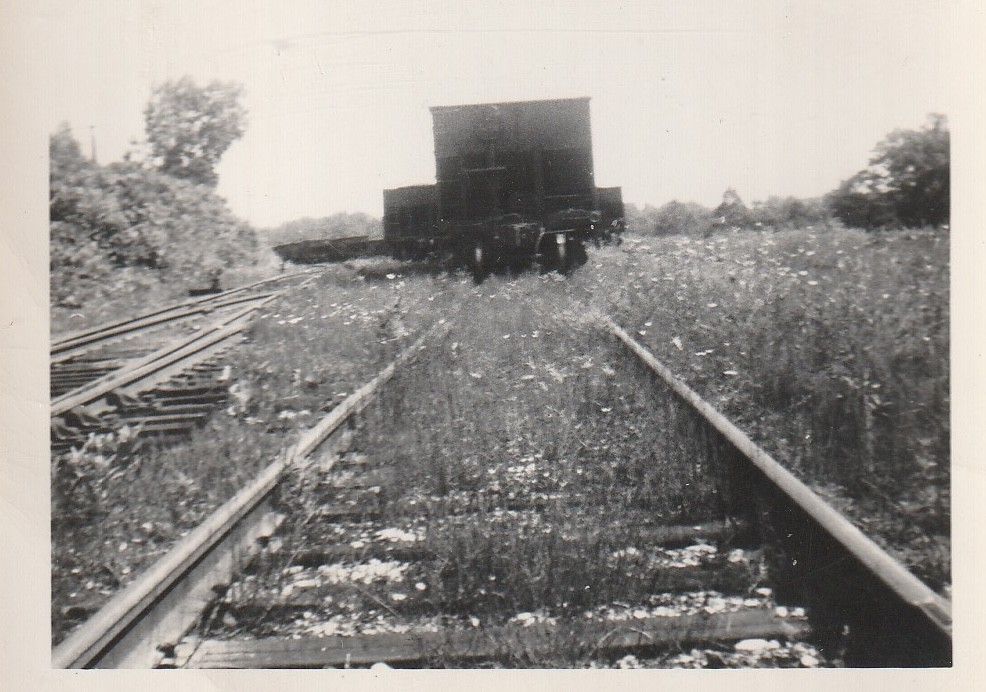
Anecdote: When 10 or 12 in Rochester, NY we played around the railroad tracks that carried the coals cars down a huge hill onto the Colberg Dock’s big steel trestle alongside the huge coal ships.
Note: trestle is to right of ship & the ‘shaker’ is farther away down the trestle out of sight)

A huge shaker on the trestle would shake the coal railroad cars to force the coal down into the waiting coal hauling ships that navigated the Great Lakes.
We spent hours hanging out on the docks watching the big ships
shenanigans & maneuvers and talking to the guys that operated the huge coal ships & docks that docked to fill with coal coming in on the big steel trestle above them.
They turned these ships around with a system of thick cables strung between the docks & the ships. Unaware of the danger I was standing beside one such cable lying innocently slack when all of a sudden the huge ship put it tension on the slack cable making it instant taut snapping upward like a rattlesnake to catch me just under the chin driving 1 or 2 of my teeth thru my lower lip. Eiter knmowcked me out or seriously dazed me. I can’t remember. As an adult with more knowledge about basic physics etc I realized how close I was too having my neck broken or worse. Life can be scary. on the dock and into the water slack cable
Subscribe!
Join my mailing list to get new content notifications.